
What to visit
Museums
Archaeological and Ethnological Museum of Lucena
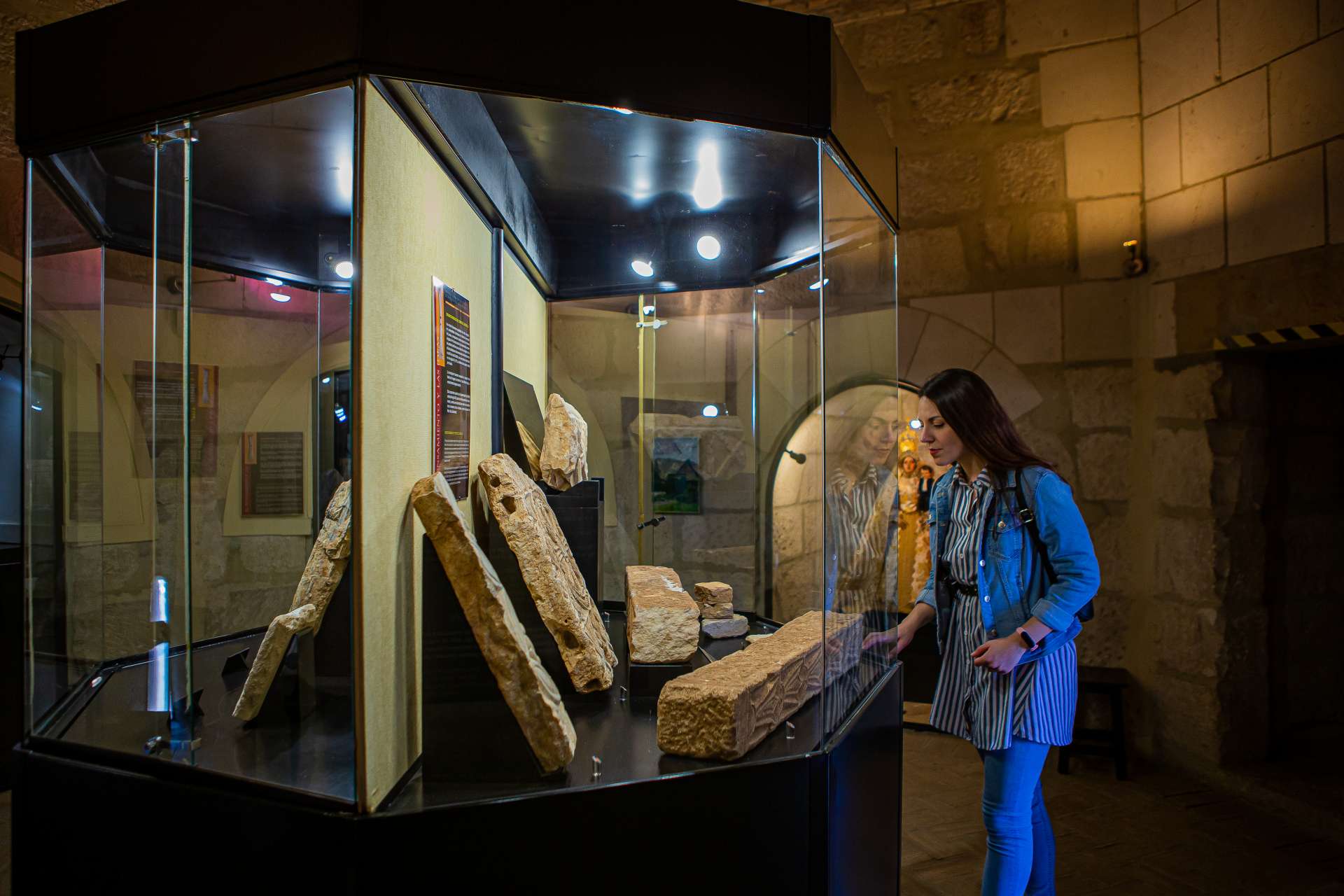
In the very heart of the town lies the Castillo del Moral, a medieval fortress declared a Site of Cultural Interest (BIC). Highlights include the Torre del Moral and the Torre del Homenaje, believed to have been the prison cell of the last king of Granada, Boabdil ‘El Chico’, who was captured atthe Battle of Martín González in 1483. Today, it houses the city’s Archaeological and Ethonolgical Museum and the reception office for the ‘Fundación Ciudades Medias del Centro de Andalucía’ (Foundation for Medium-Sized Towns in Central Andalusia) Visitors are offered a thematic journey through its ten rooms, reflecting the history and unique character of Lucena. In this medieval building, every effort has been made to combine respect for the structure and its unique features with the exhibition needs of the museum. In this way, the exhibition narrative follows a thematic approach focused on the milestones that define the historical identity of Lucena.
City Interpretation Centre
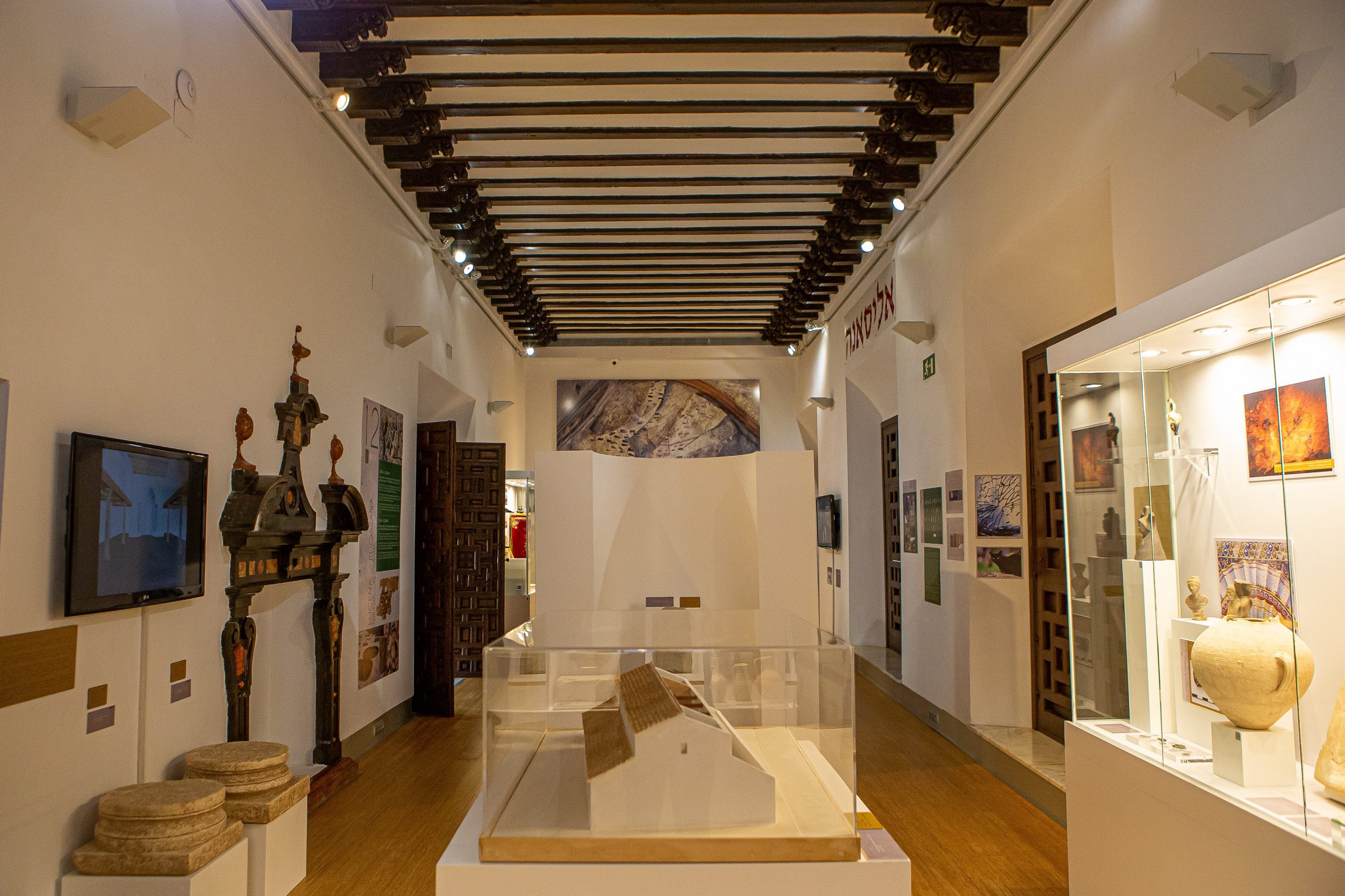
Baroque Palace of the Counts of St. Ana is one of the finest examples of 18th-century civil architecture in our city. Its construction was commissioned by the Mora-Saavedra family between 1730 and 1750. This family, likely of Jewish convert origins, was part of the many families that settled in Lucena, drawn by the fame the city had enjoyed in earlier times. Beyond its magnificente façade, the architecture is notable for its two courtyards –the second of which is porticoed– and its beautiful staircase. The staircase is crowned by a dome, attributed by its style to two master builders from Lucena: Francisco José Guerrero and Pedro de Mena Gutiérrez. The palace houses the Lucena City Interpretation Centre and the Municipal Tourist Information Office.
Permanent Exhibitions “Nuestra Escuela” (Our School) and “Artesanía Velonera Lucentina” (Lucena Candle-Making Craftsmanship)
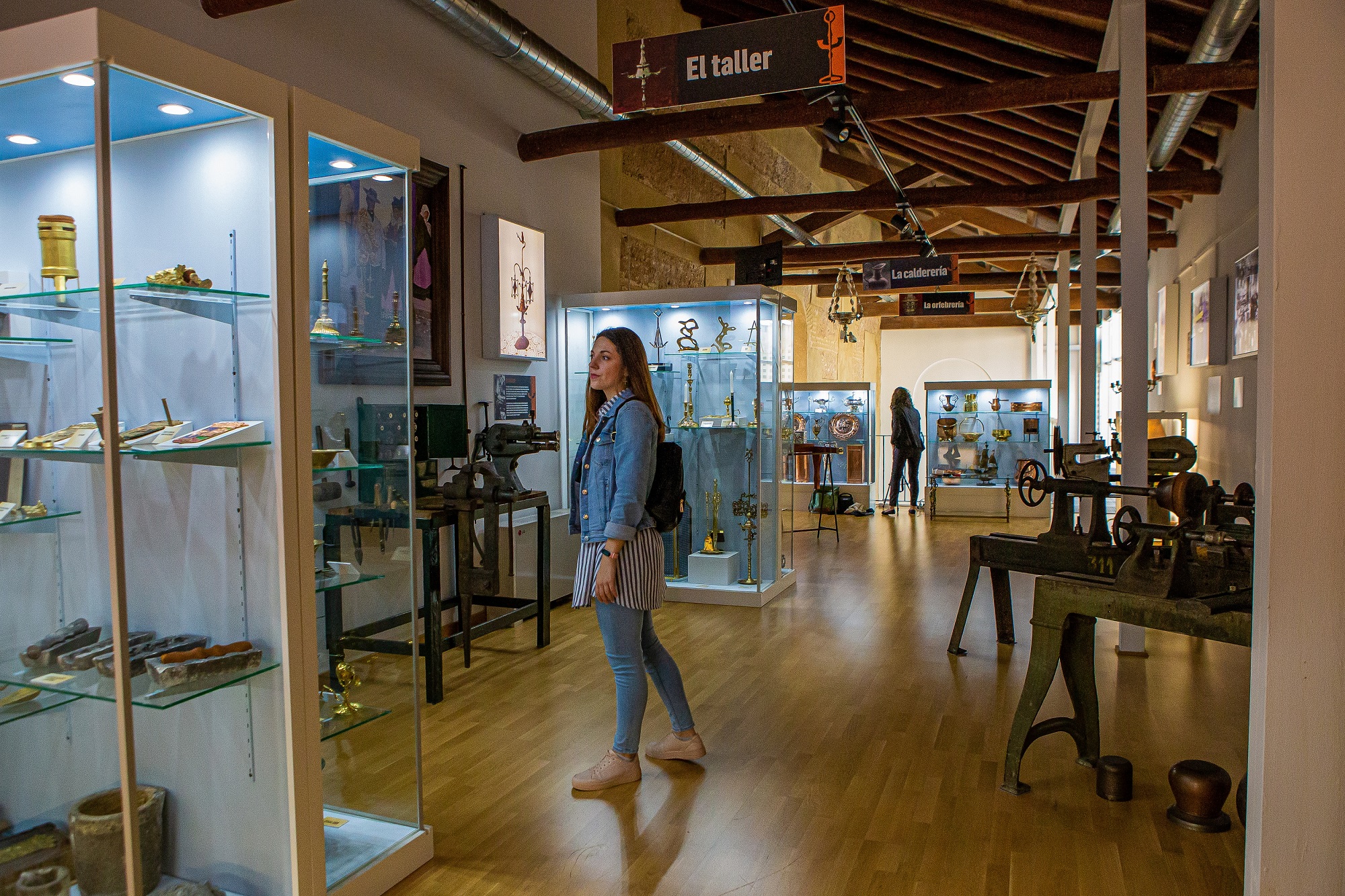
The building adjacent to the Church of San Pedro Mártir de Verona was a former Dominican convent founded in 1575 by the Bishop of Córdoba; following the 1836 secularization decree, it became part of the National Heritage. Before passing into municipal ownership, the building served as an anise distillery, an oil mill, and a winery. It preserves a splendid Mannerist courtyard, featuring an arcade with semi-circular arches and columns set on pedestals. At its centre, it preserves a fountain surrounded by a garden and palm trees. It also features a second backyard with open green spaces for everyone to enjoy. A total of 11 rooms are spread across three floors, featuring permanent exhibitions dedicated to ‘Our School’ and ‘Lucena Candle-Making Craftsmanship’.
Romantic Banditry Thematic Centre (Jauja)
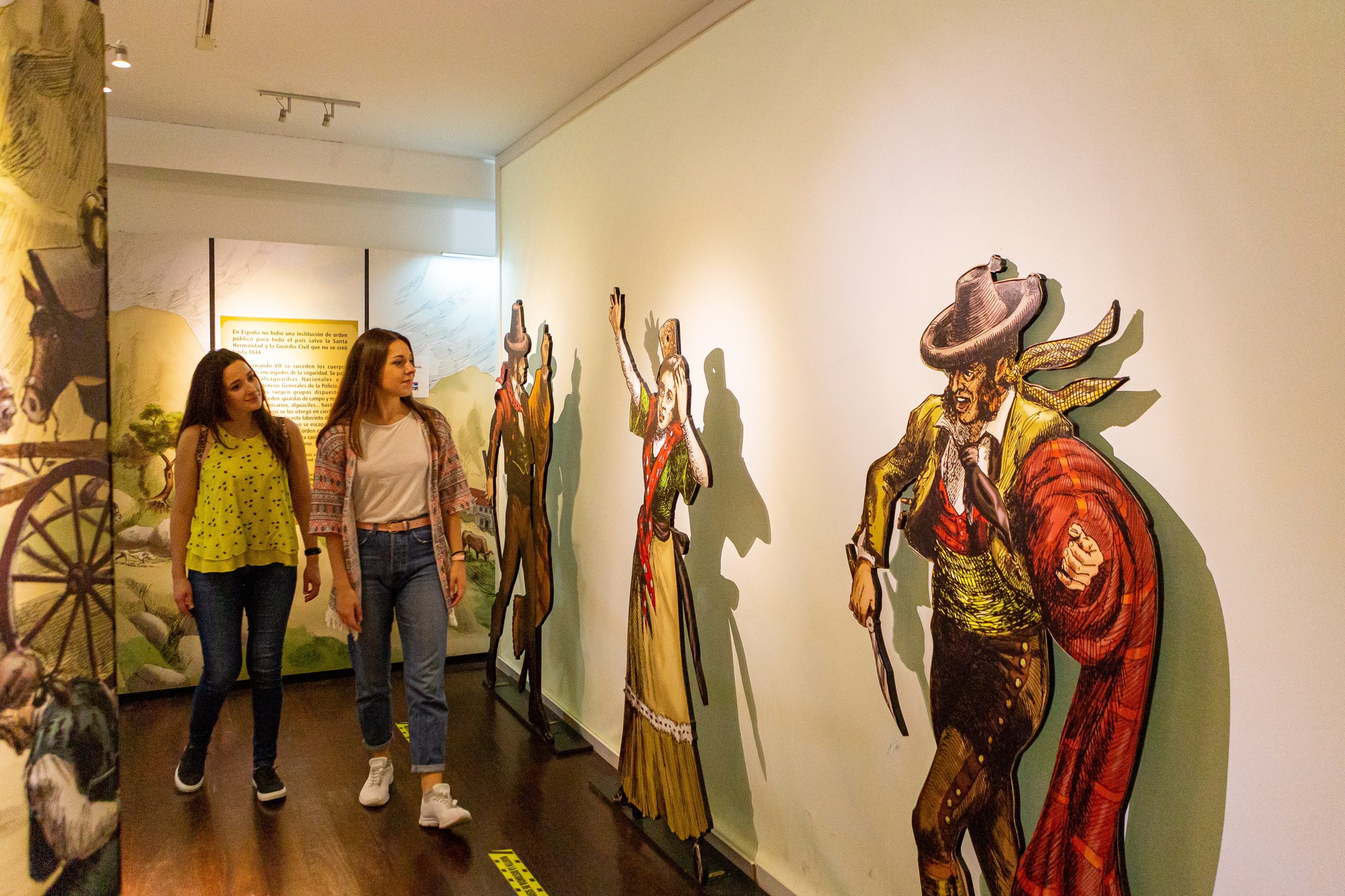
At the Romantic Banditry Thematic Centre, visitors have the opportunity to gain an in-depth understanding of the phenomenon of romantic banditry. This avant-garde building houses the most modern exhibition technologies across four exhibition floors, including holograms, audiovisual displays, and a 3D screening room. Visitors can also obtain information about the available tourist offerings at the Tourist Information Office of the Lands of José María ‘El Tempranillo’.
House-Museum of Our Lady of Araceli
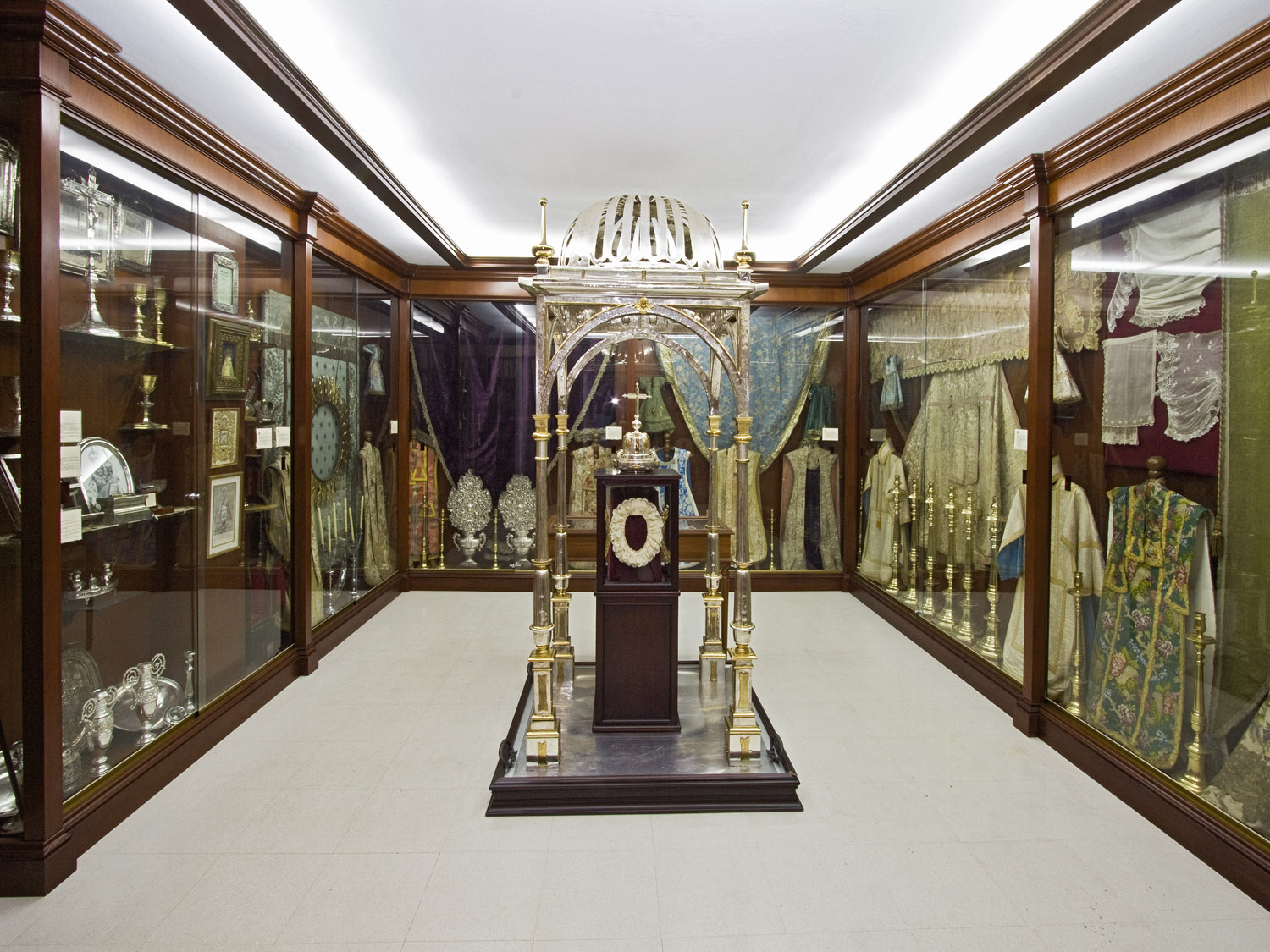
The so-called “House of the Virgin”, now the headquarters of the Royal Archconfraternity of María Santísima de Araceli and the Araceli Museum, was acquired in 1750 by the “servant brothers” of Our Lady to provide lodging for them and to safeguard the belongings of the Patroness. In past times, when there was a significant rural population, it served as a landmark place and refuge for peasants visiting the city. After losing this important role, it became the social headquarters of the deeply rooted Araceli devotion, a centre for cultural activities, and a museum displaying in its showcases a beautiful collection of embroidered mantles, thrones, and all kind of devotional objects, as well as documents related to the rich history of Our Lady of Araceli.

