Traveler’s Guide
Lucena
Lucena: Where History Lives, in the Heart of Andalusia
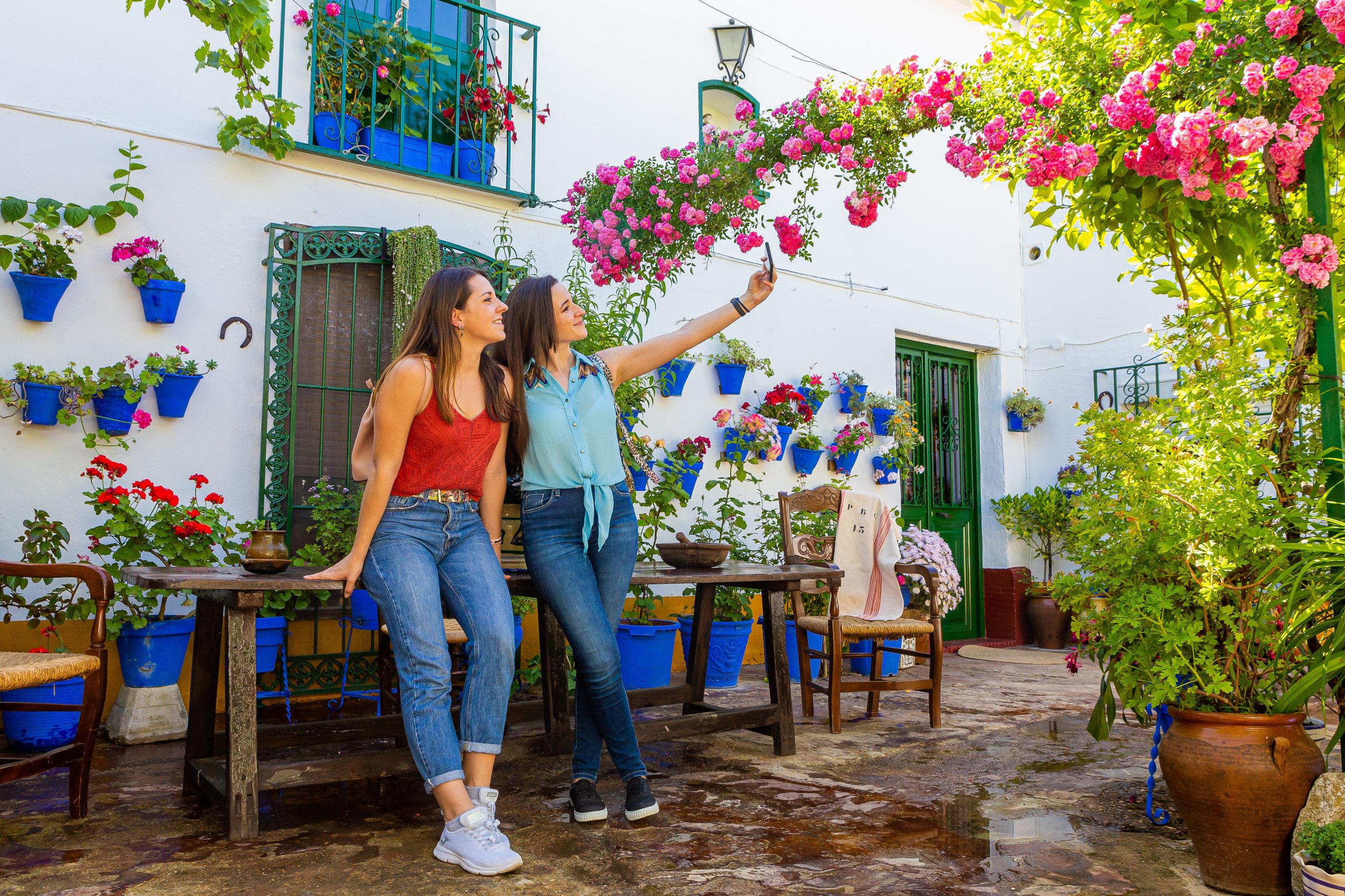
Located in the heart of Andalusia, in the south of the province of Córdoba, Lucena sits in the Subbética region surrounded by a lush countryside of olive groves and vineyards. To the visitor, it reveals itself as a dynamic town, home to a wealth of historical and artistic heritage -a legay of its significant Jewish, Muslim and Christian past.
Walking through its streets, tourists can relieve a reminiscent identity – a trace of its vast and diverse legacy from golden ages such as the Roman era, the Middle Ages, or the splendor of the Andalusian Baroque.It is an invitation to enjoy its heritage, culture, and traditions, as well as its gastronomy and its wide array of activities, routes and experiences.
Its privileged geographical location makes it an ideal hub for visiting other Andalusian capitals such as Granada, Córdoba, Seville, or Málaga – all of them less than an hour and a half away. Furthermore, it boasts seamless connectivity with access to the region’s main transport links, such as the A-45 motorway, which connects to the A-92 and E-5 motorways. It also offers easy access to High-Speed Rail (AVE) and Andalusia’s major airports.
All of this, combined with a magnificent cultural and natural environment, the warmth and friendliness of its people, and the dedication of professional providing top-tier tourism services, has led Lucena to be distinguished as a SICTED Quiality Destination.
Lucena: a welcoming destination with an entrepreneurial spirit, full of light, opening its doors to the world to experience a territory that will truly surprise you.
Crossroads of Civilizations and Historical Legacy
Throughout history, variouscultures and civilizations have left their mark on Lucena. It was home to Pre-Neanderthals and, notably, the only town inhabited exclusively by Jews between the 9th and 12th centuries. During this era, it became known as ‘La Perla de Sefarad’ (Pearl of Sepharad) or ‘La Ciudad de los Poetas’ (City of Poets) due to its remarkable cultural dynamism. Ancient Elossiana housed within its walls the Academy of Talmudic Studies, a meeting point for the great intellectuals, philosophers, poets, and physicians of the era.
If there is one historical event in Lucena of national significance, it was the Battle of Lucena. Taking place in April 1483, it marked the beginning of the end of the Granada War and, consequently, the fall of the last Muslim kingdom on the Iberian Peninsula. Known as the ‘Batalla del Arroyo de Martín González (Battle of the Martín González Stream), it took place in the Campo de Aras, next to the stream of the same name. It was there that Boabdil “El Chico”, the last king of Granada, was captured.. It was an event of great significance that had a profound impact on the course of national history. Thanks to this victory, Queen Isabel and King Fernando were able to take Granada years later, bringing about the fall of the Nasrid Kingdom in 1492.
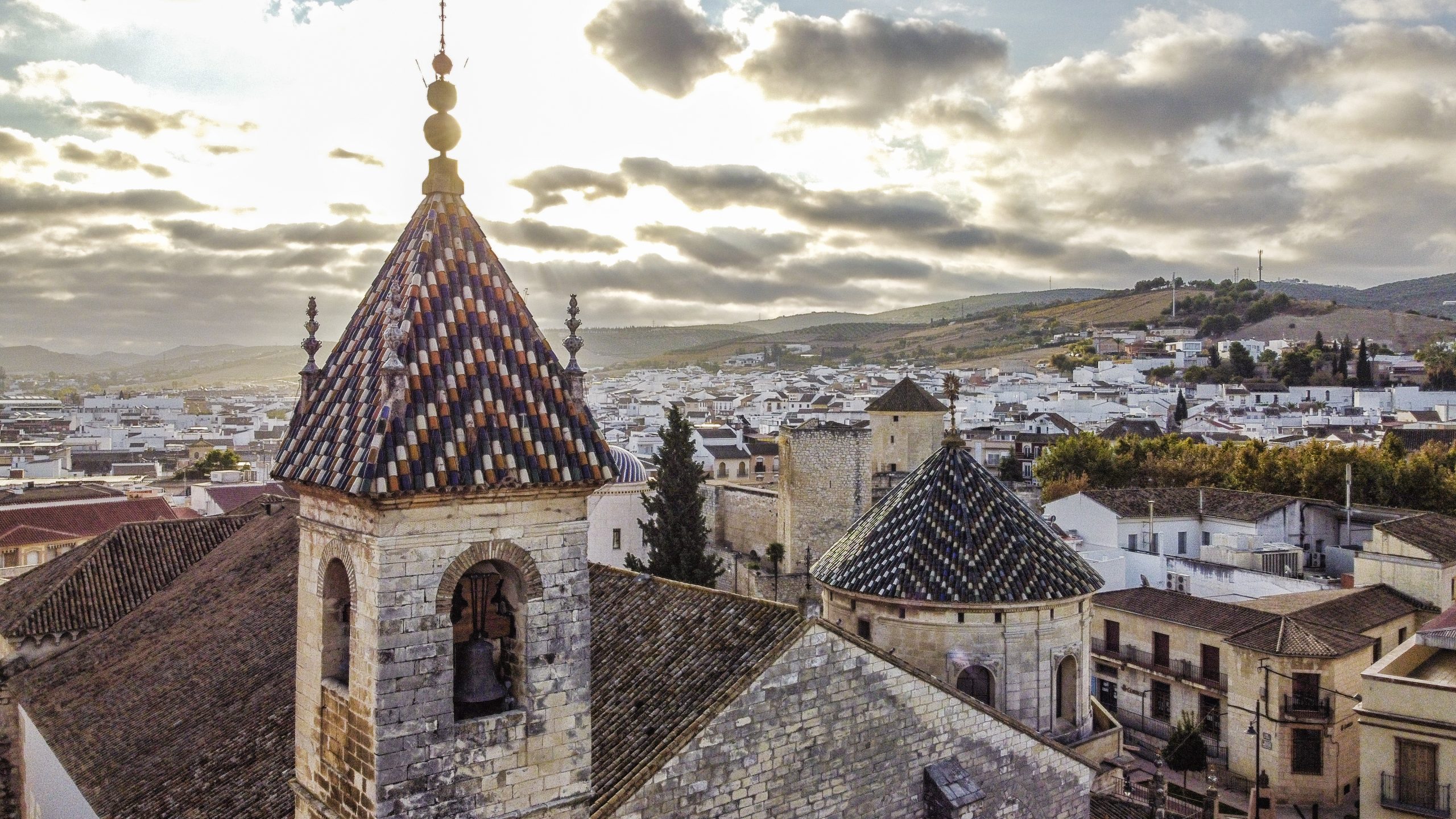
The economic boom of the 18th century transformed Lucena into one of the largest and most significant Baroque landmarks in Andalusia. Recognized as the ‘Cradle of Cordoban Baroque’, it features magnificent examples such as the Tabernacle of the St. Matthew’s Parish Church and the Royal Diocesan Sanctuary of Our Lady of Araceli, as well as secular Baroque masterpieces like the Palace of the Counts of Santa Ana
Today, Lucena is a prominent business hub in sectors such as wood and furniture, as well as industrial cooling and heating. However, Lucena stands out not only for its major industrial development but also for its artisans. With family traditions spanning several generations, they have turned raw materials into art through their pottery and exquisite metalwork.
All this without forgetting the agricultural sector, thanks to which Lucena holds the ‘Aceite de Lucena’ D. O. (Designation of Origin) – the largest and youngest in Spain. Under its protection, excellent Extra Virgin Olive Oils of renowed national and international prestige are produced, alongside the fine wines belonging to the ‘Montilla Moriles’ D. O.

Traditions that live on throughout the year
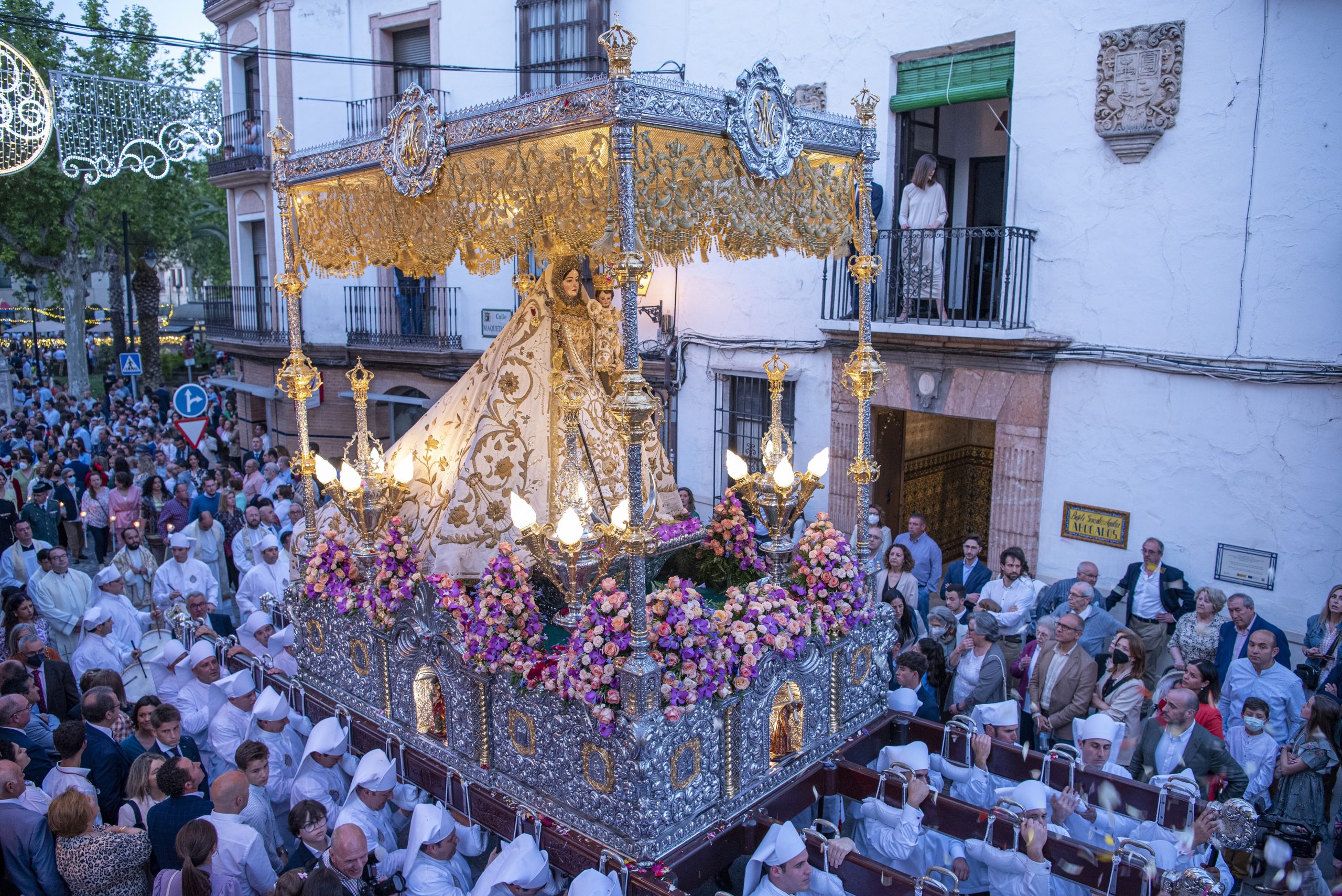
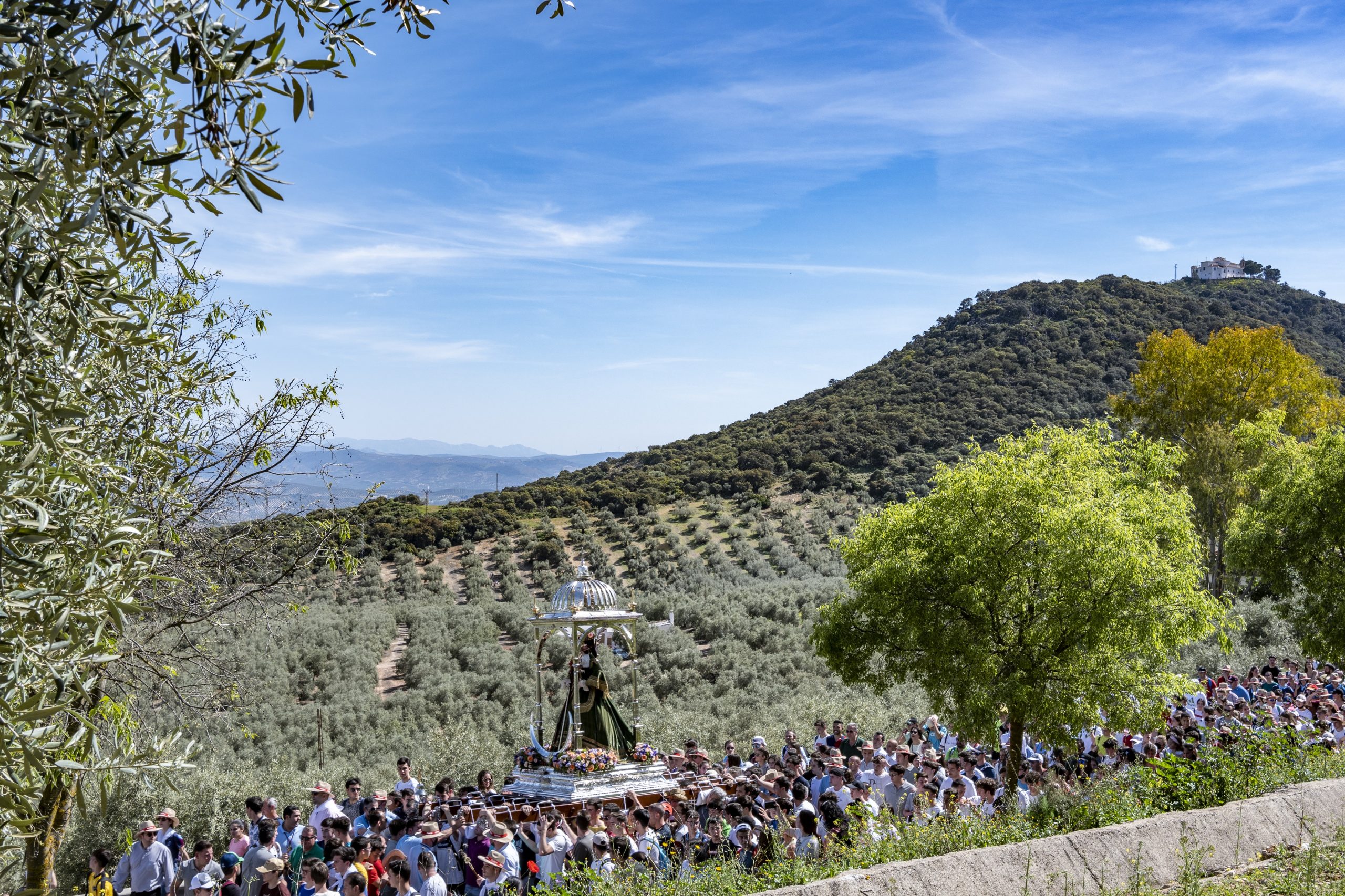
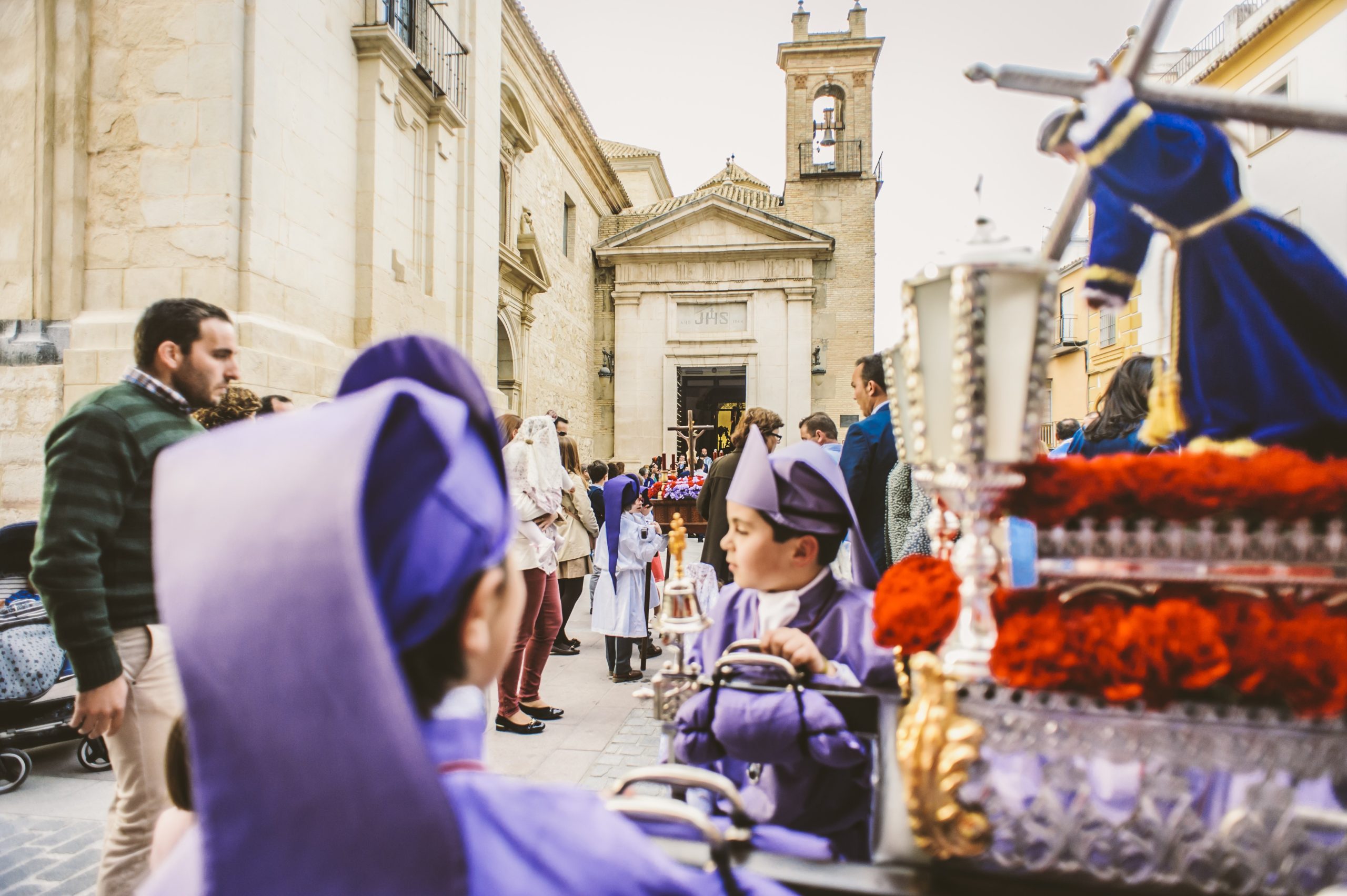
Lucena’s cultural legacy is rooted in ancestral traditions and customs that have been preserved across generations. Without a doubt, the most unique and homegrown expression of faith is the devotion the people of Lucena hold for Our Lady of Araceli (Virgen de Araceli), Patroness of Lucena and the Andalusian Countryside.This devotion overflows every first Sunday in May during the ‘Fiestas Aracelitanas’, declared a Festivity of National Tourist Interest. Equally significant is Holy Week, also declared a Festivity of National Tourist Interest in Andalusia, whose uniqueness lies in the way the floats are carried, a tradition known as ‘Santería’.
Other festivities of remarkable beauty and deep tradition include the ‘Feria Real de Ntra. Sra. del Valle’, a former cattle fair currently being revitalized, and the ‘Feria de San Francisco’. Held in August, the latter has been known since ancient times as the ‘Fair of the Sweethearts’. Other notable events include the Children’s Processions, theRoscón Gigante de Reyes (Giant Epiphany Cake), and the ‘Fiestas de la Aurora’, among many others.
Olive Oil and Winewith an Identity of their Own
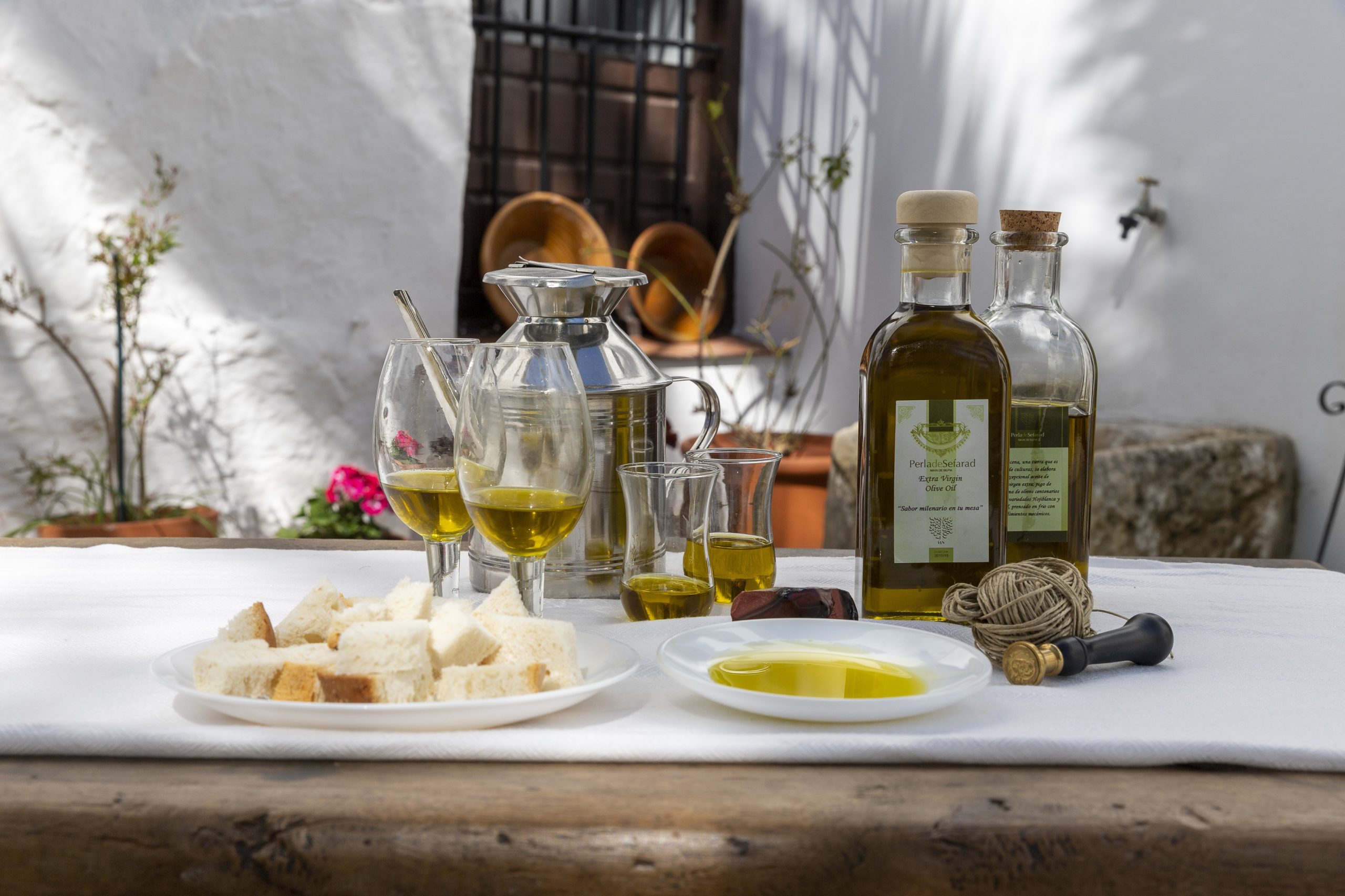
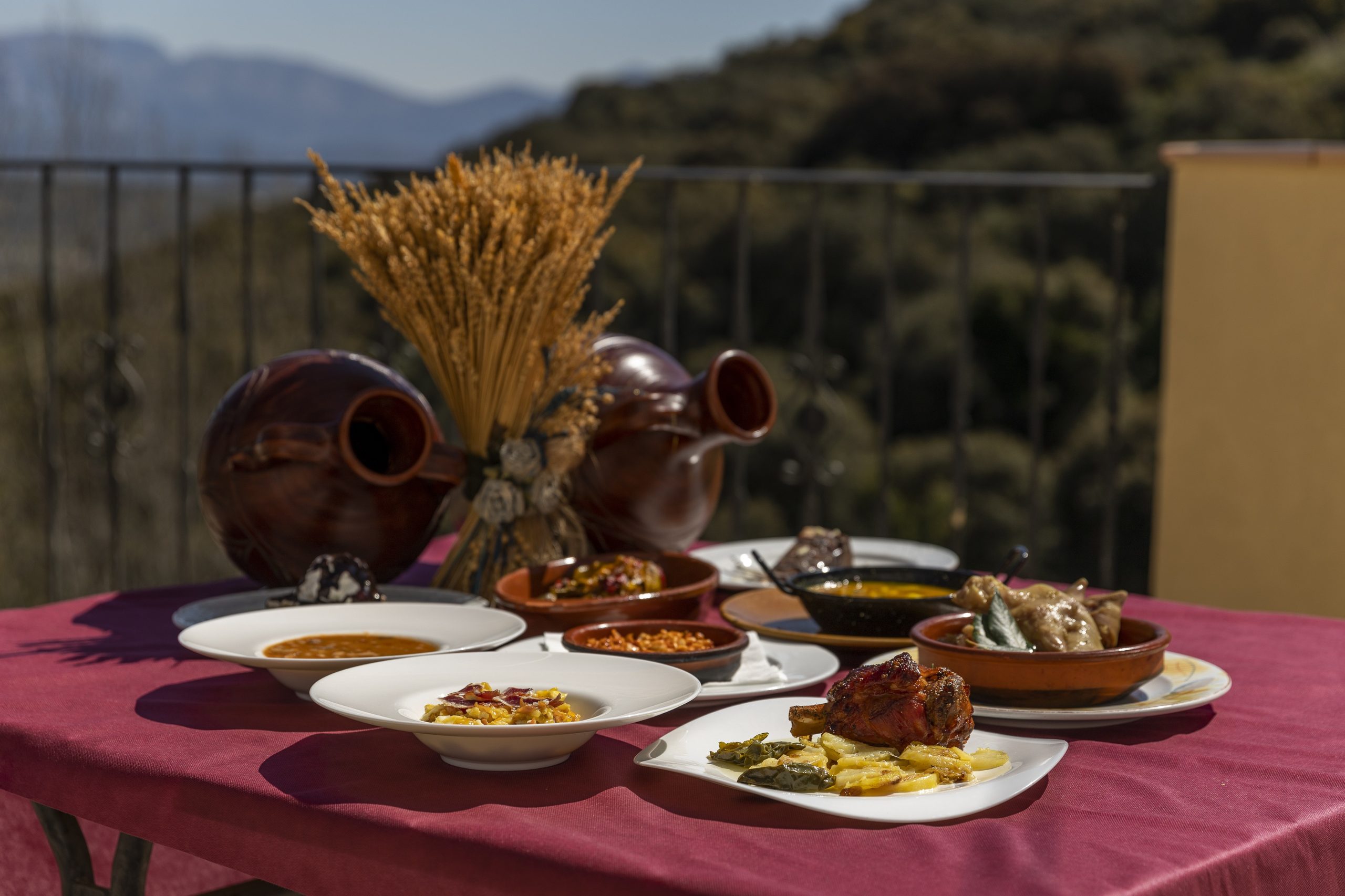
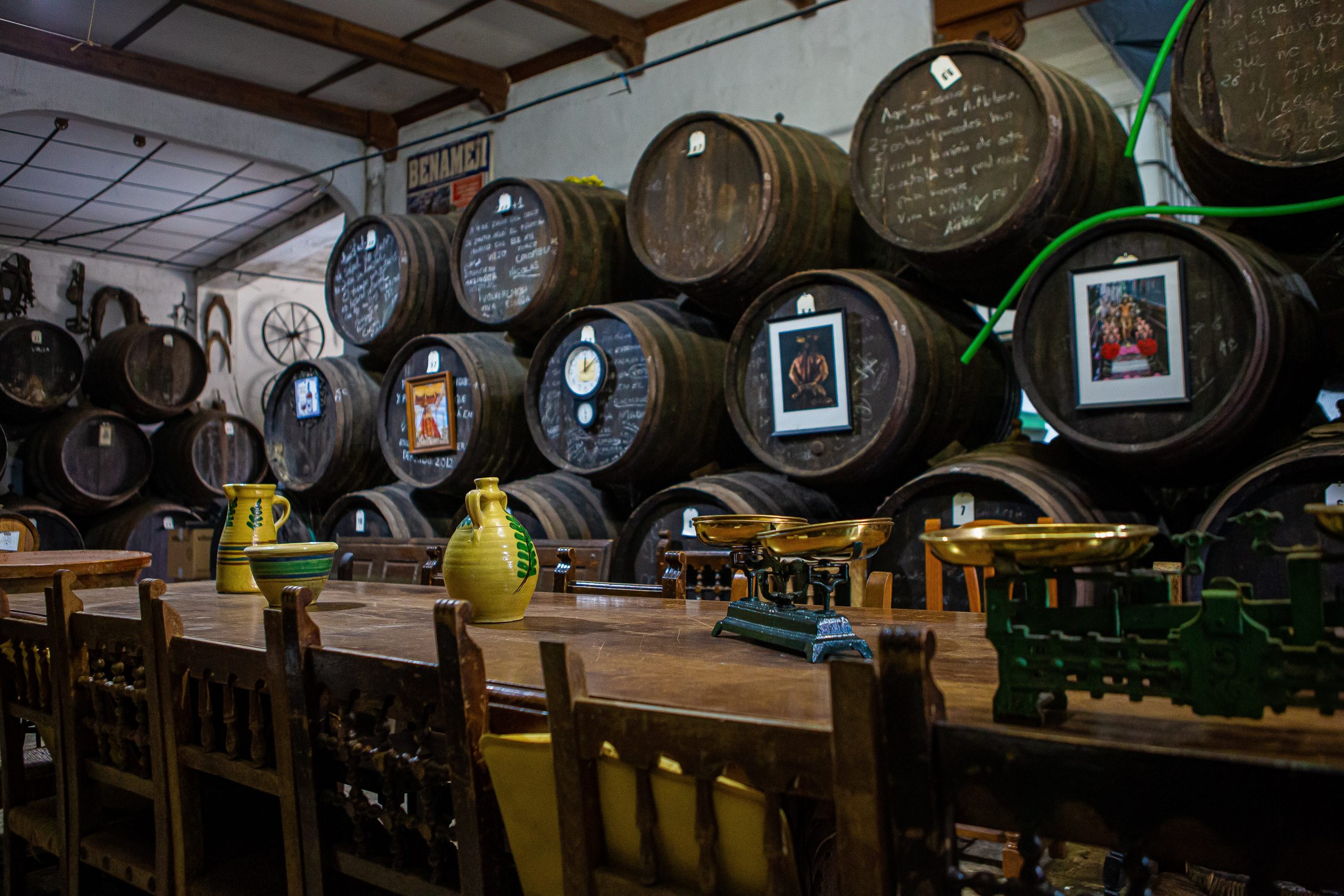
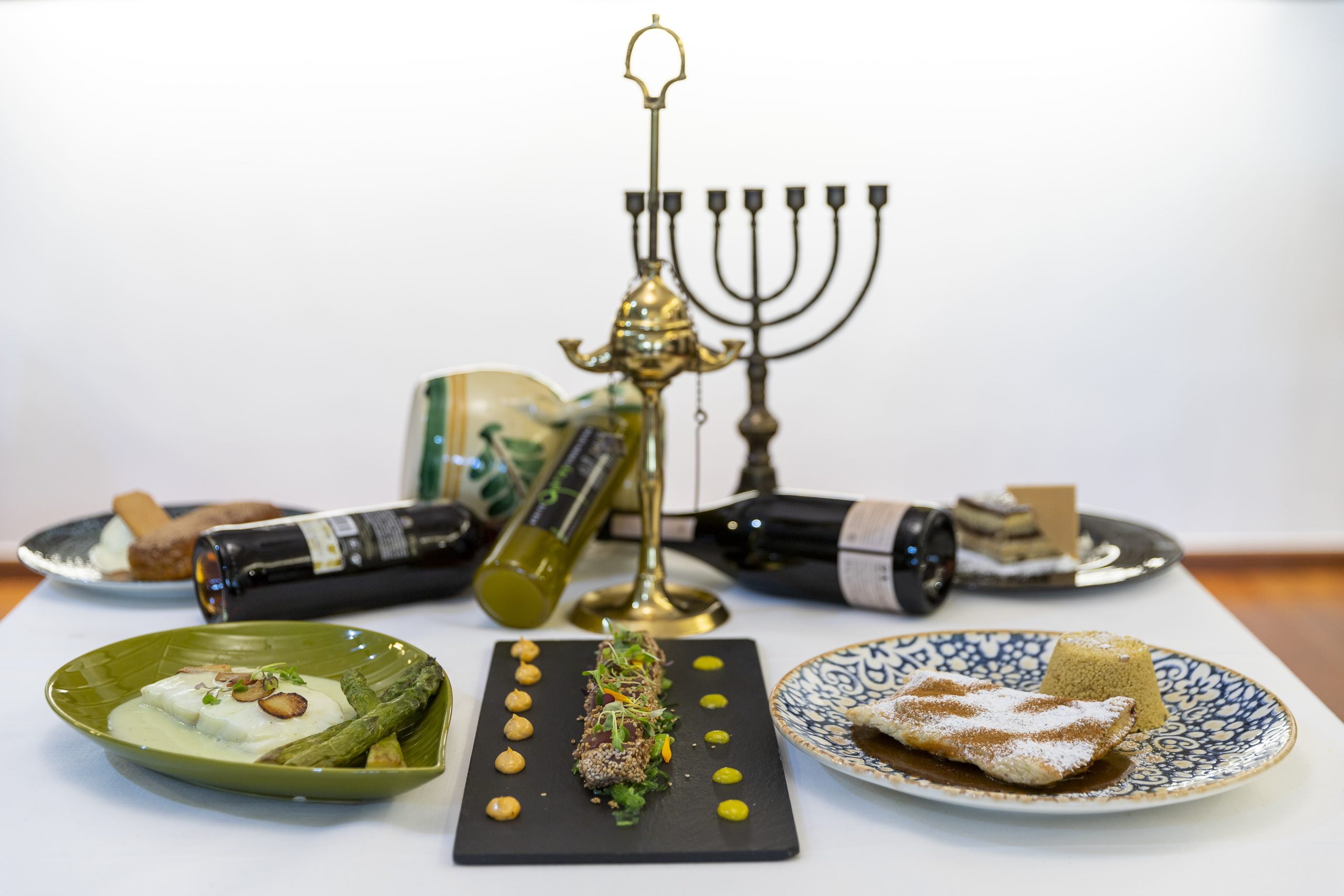
‘Olivino’: olive oil and wine two essential pillars of the local gastronomy used to craft dishes with deep-rooted Sephardic, Andalusian, and homegrown tradition. These are perfectly paired with our ‘oloroso’ or ‘fino’ wines from the Montilla-Moriles Designation of Origin, all of which can be explored by visitors in Lucena’s olive oil mills and wineries. Enjoying these products becomes a must, thanks to our wide and diverse range of catering options.
The region’s climate, along with the mountains of the Natural Park –for which Lucena serves as the gateway– favour the growth of different olive varieties, including Picuda, Hojiblanca, and Picual, among others. The‘Aceite de Lucena’ D. O. encompasses the municipalities of Lucena, Rute, Iznájar, Encinas Reales and Benamejí.
Our city offers a wide range of gastronomic options, featuring restaurants where you can enjoy everything from traditional local dishes to international cuisine. As well as tapas bars, where you can spend an enjoyable time in good company
A unique Heritage in the Heart of Andalusia
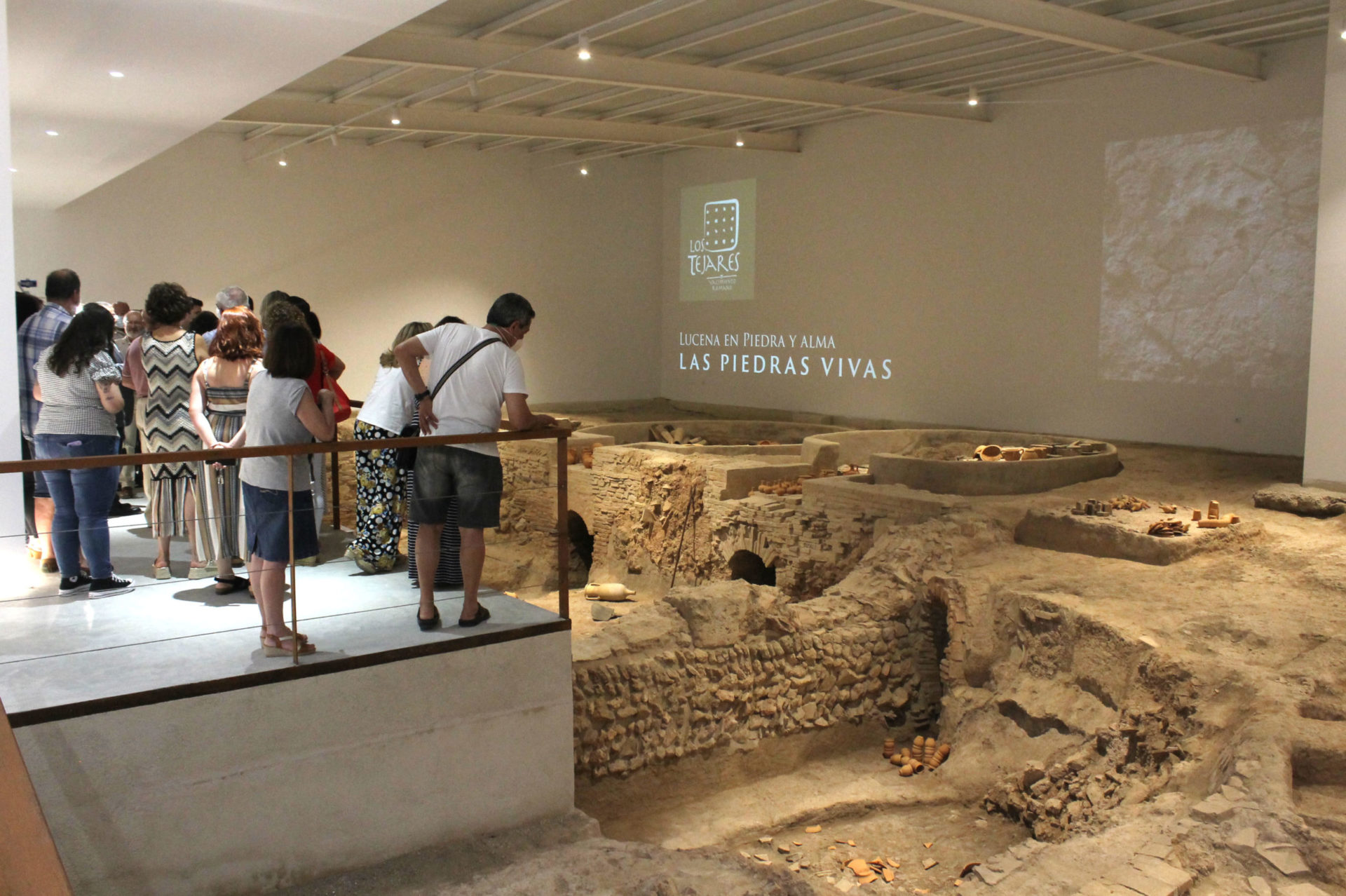
Heritage, as in many town or region, provides the city of Lucena with its own sociological and anthropological dimension. The footprint of the past is evident in sites such as the ‘Sima y Cueva del Ángel’ (Angel’s Cave and Chasm) on the slopes of the Sierra de Aras, considered one of the mos important Paleolithic sites in Europe. Dating back to the Roman era are the Ibero-Roman town of Morana and the ‘Los Tejares’ Roman Kilns, a complex of ovens belonging to a major pottery factory. Not forgetting the Paleochristian Basilica of Coracho, one of the earliest Constantinian basilicas on the Iberian Peninsula.
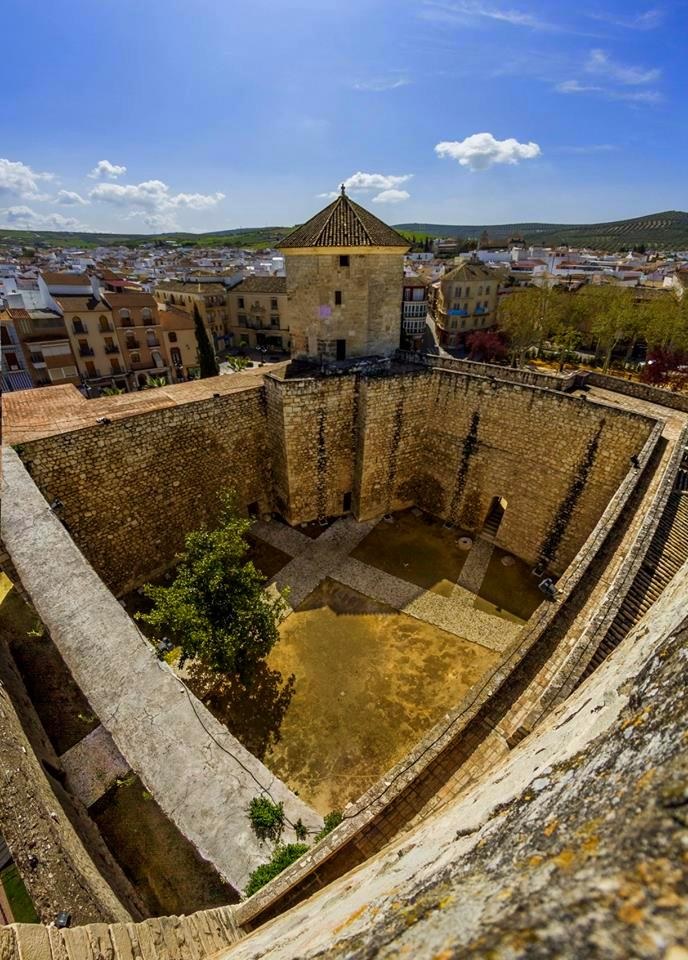
The ‘Necrópolis Judía’ archaeological sita –a medieval Andalusi-era cementery– transport us back to ancient Eliossana. In 1483, the ‘Castillo del Moral’ (Castle of the Moral) served as the prison for Boabdil ‘El Chico’, the last King of Granada. Today, this medieval fortress houses the Archaeological and Ethnological Museum.
As a legacy of life in Lucena, many monuments have endured to this day alongside those already mentioned. These include the González Palma manor house, the Palaces of the Counts of Santa Ana, and the Palace of the Marquises of Torreblanca. Their courtyards are part of the ‘Lucena Monumental Courtyards Route’, which also features the Franciscan monastery cloister, the courtyard of the former Minims convent (now a hotel), and the Dominican cloister courtyard, currently known as the ‘Casa de los Mora’.
The Cordovan Baroque style reaches its peak in Lucena through a heritage complex that includes churches such as El Carmen, San Juan Bautista, San Martín, and Santo Domingo. It is also showcased in chapels like La Aurora, Dios Padre, and San Felipe Neri –notably in its altarpiece– as well as the Monastery of the RR.PP. Franciscan Fathers and the Church of the ‘Madre de Dios’ (Mother of God) All this, without forgetting the greatest exponents of this artistic style: the Royal Diocesan Sanctuary of Our Lady of Araceli and the Sagrario (Tabernacle) of San Mateo. Located within the Parish Church of the same name, the latter is also considered the ‘true cathedral’ of the Subbética region.
In short, Lucena is a destination of immense heritage, archaeological, cultural, and social interest. It encompasses not only its religious and civil monuments but also the unique ‘cofrade’ (religious) heritage found within its numerous brotherhood houses (Casas de Hermandad).
Artisan Tradition: A Land of Potters and Metalsmiths
The presence of abundant clay quarries in Lucena led to its industrial exploitation as far back as Roman times. The extensive cultivation of abundant vineyards and olive groves created a need for large vessels to store the region’s rich local wines and oils. The discovery of a large 1st-century A.D pottery factory bears witness to the Lucentine people’s ancestral dedication to this industry. Today, this site has been transformed into the ‘Los Tejares’ Roman Pottery Interpretation Centre in Lucena
Until nearly the mid-20th century, the ‘tinajería’ (large-scale jar making) continued to flourish in our town. A high concentration of major potteries was located in the area of Lucena known as the ‘Llano de las Tinajerías’, where some of them can still be visited today.
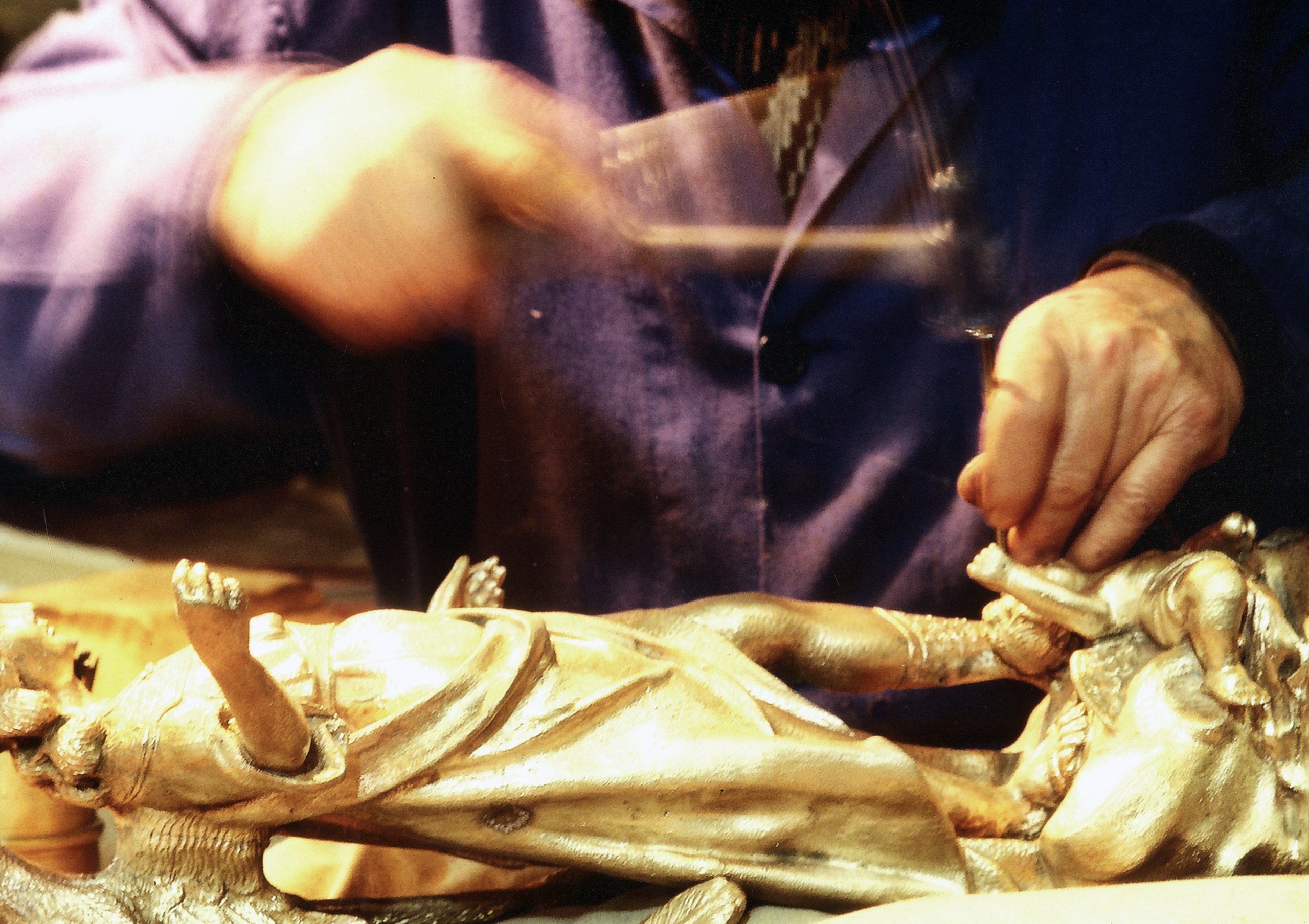
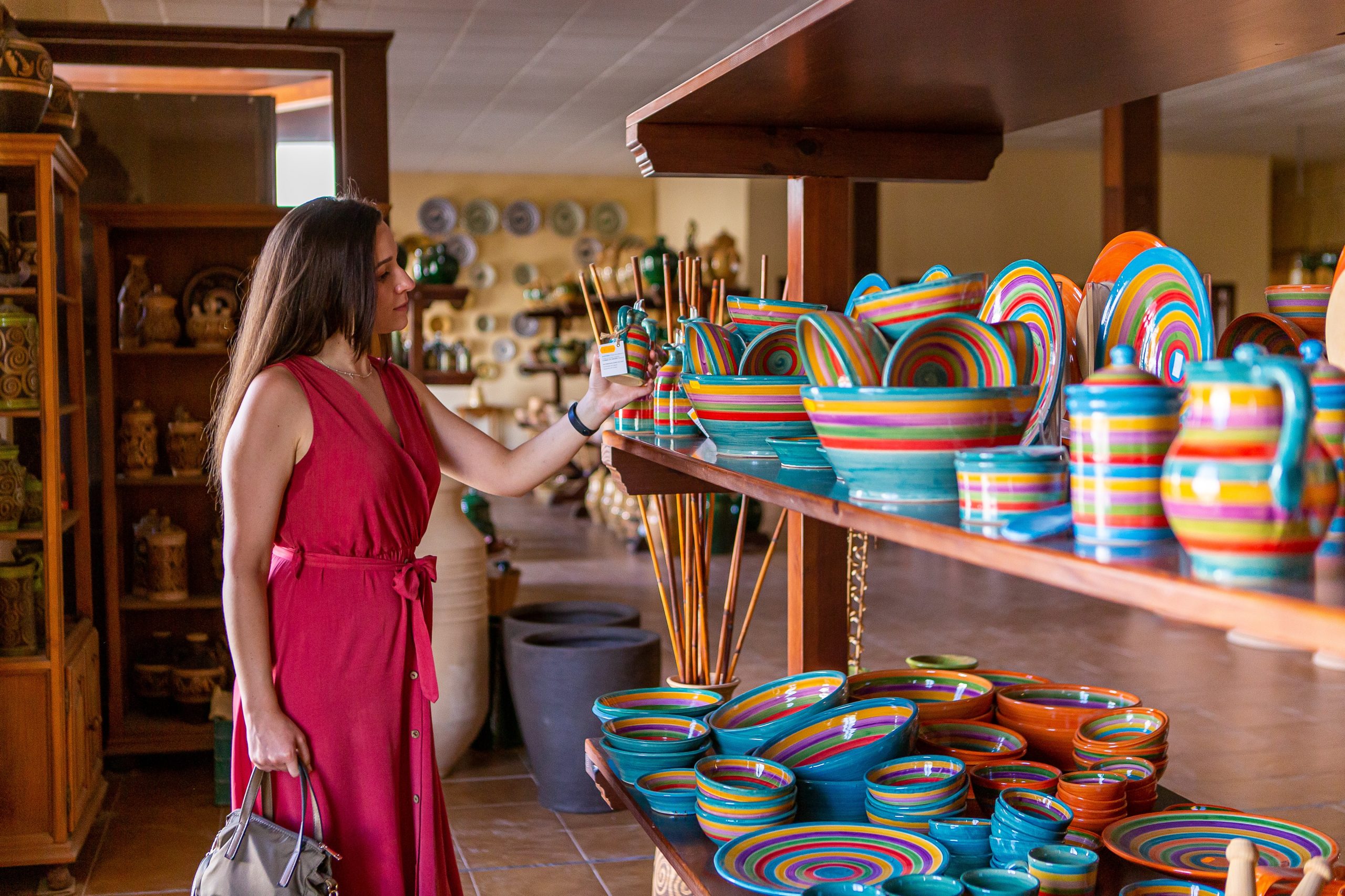
The ‘Velón Lucentino’ is one of the defining symbols of Lucena; its essential design can be traced back to the ancient Roman oil lamps known as lucernae. Having evolved into a decorative element today, the velón has transformed its appearance to become more ornamental, incorporating artistic qualities and a variety of different styles. A modern and practical addition are its arms with lampshades, which often incorporate the town’s coat of arms. The 19th century saw a significant boom in the town’s oil lamp industry, with products being exported to France, Portugal and Morocco. Today, as these workshops have largely evolved into religious metalwork studios, visitors can witness firsthand the development and the painstaking craftsmanship behind such a beautiful art form.
Nature and Active Tourism
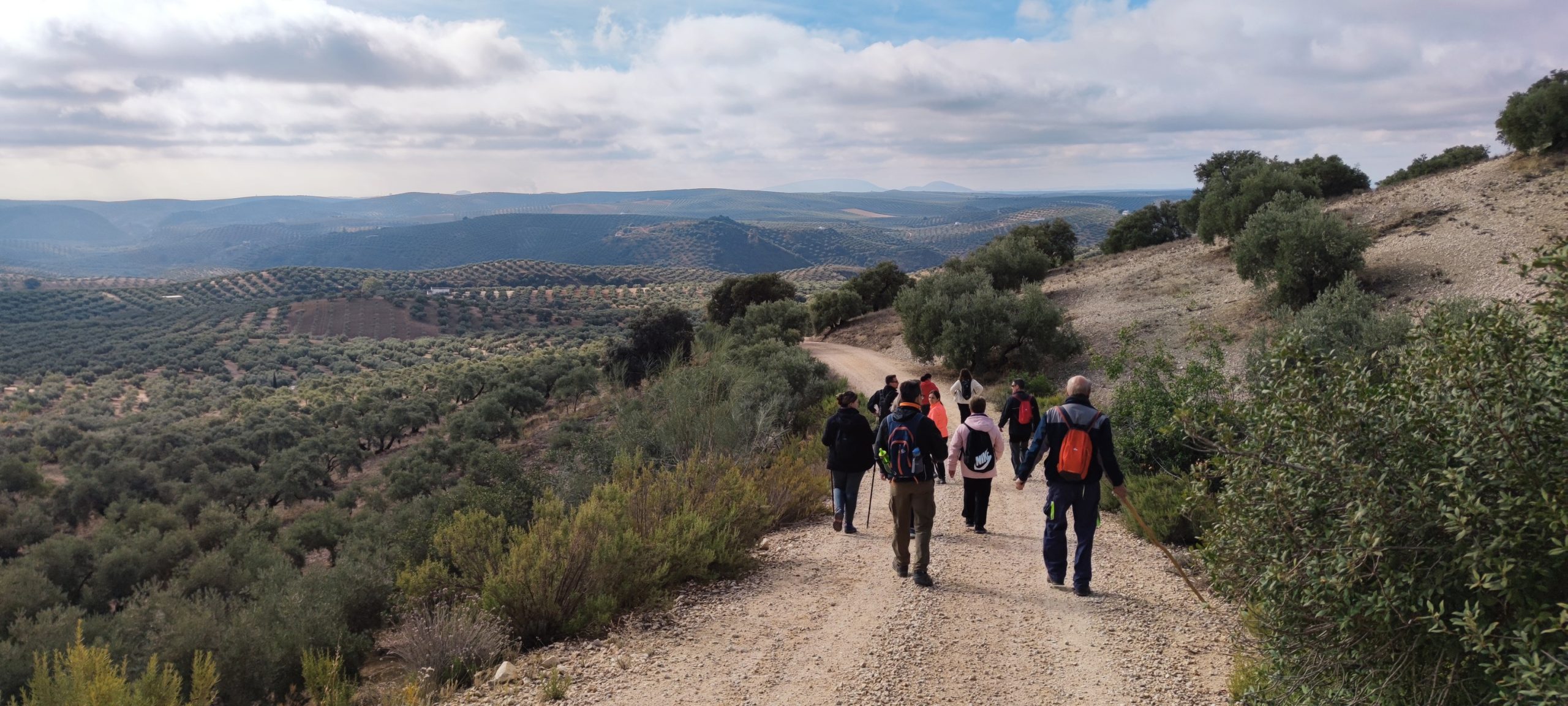
In addition to its undeniable monumental attractions, Lucena boasts a wealth of natural resources that offer ‘green tourism’ enthusiasts a wide range of possibilities. This include hiking, horse riding, or cycling along the ‘Vía Verde’ (Greenway), canoeing on the Genil River, paragliding from the summit of the Sierra de Aras, and even bungee jumping (‘puenting’) from some of the viaducts that dot the Subbética landscape.
In the southern half of the province of Córdoba, within the so-called ‘Campiña Cordobesa’ –a region in which the Romantic Banditry Route partially takes place–, tracing the life and adventures of the famous Lucentine outlaw José María ‘el Tempranillo’, lies a landscape of endless olive groves and vineyards. Scattered throughout this area is a series of lagoons and reservoirs that serve as a sanctuary for a multitude of bird species, both migratory and resident, which find their breeding grounds in the natural environment of the Cordoban countryside.
The routes through Laguna Amarga, Laguna Dulce theJarales and the Malpasillo reservoir –all located within the municipality of Lucena– are designed exclusively for the observation of the aquatic birds than inhabit these wetlands. Almost all of these lagoons feature trails or observatories equipped to make the activity more comfortable.
In addition, a diverse network of trails spans the entire municipality, particularly around the villages of Jauja and Las Navas del Selpillar. These paths connect with the trail networks offered by the Subbética Commonwealth, as well as other major rourtes such as the ‘Caminos de Pasión’ and the ‘Camino Mozárabe’.
Leading Archeological Heritage
Throughout history, various cultures and civilizations have passed through our town, each leaving behind its own unique hallmark of identity. Several archaeological sites bear witness to this rich history and are well worth mentioning: the Sima and Cueva del Ángel, located in the natural surroundings of the Sierra de Aras, the Alfar Romano de los Tejares (Los Tejares Roman Pottery Works), perhaps the best-preserved Roman kilns on the Iberia Peninsula, featuring a visitor-friendly Interpretation Center; the Ibero-Roman city of Morana, with origins dating back to the Late Bronze Age, the Basílica of Coracho, one of the first Constantinian basilicas on the peninsula; and the Jewis Necrópolis. This medieval Al-Andalus era cementery is the largest excavated Jewish necropolis in the Iberian Peninsula and the first Jewish cementery in Spain to be fully accessible to people with reduced mobility.
The Castillo del Moral currently houses the town’s Archaeological and Ethnological Museum, where visitors can enjoy a themed tour through its ten rooms, reflecting the evolution and unique identity of Lucena.
Accessible Shopping in a City for Everyone
With more than 300 retail and leisure establishments, Lucena has become one of the most accessible tourist cities in Spain. Thanks to municipal initiatives backed by European Union funding, the city has been equipped with over 15,555 meters of fully accessible routes. This is complemented by the efforts of more than 300 local businesses, which have worked to ensure easy access for people with reduced mobility.
With a clear focus on promoting local tourism in all its forms, Lucena stands out not only for its accessibility, but also as one of the safest cities in Andalusia. The city benefits from the coordinated services of various public safety agencies, including the Local Police, National Police, and Civil Guarfd. Additionally, it offers several public medical centers and is located just 9 kilometers from a Regional Hospital.
With the Lucena Audio Guide, you can also conveniently listen to explanations of the city’s most mut-see sites directly from your smartphone. It features information on the city’s main monuments and over 80 points of interest, along with audio content and sounds that bring visitors closer to the diverse meanings and core values that define Lucena’s identity.
A City Prepared for Professional and Cultural Gatherings
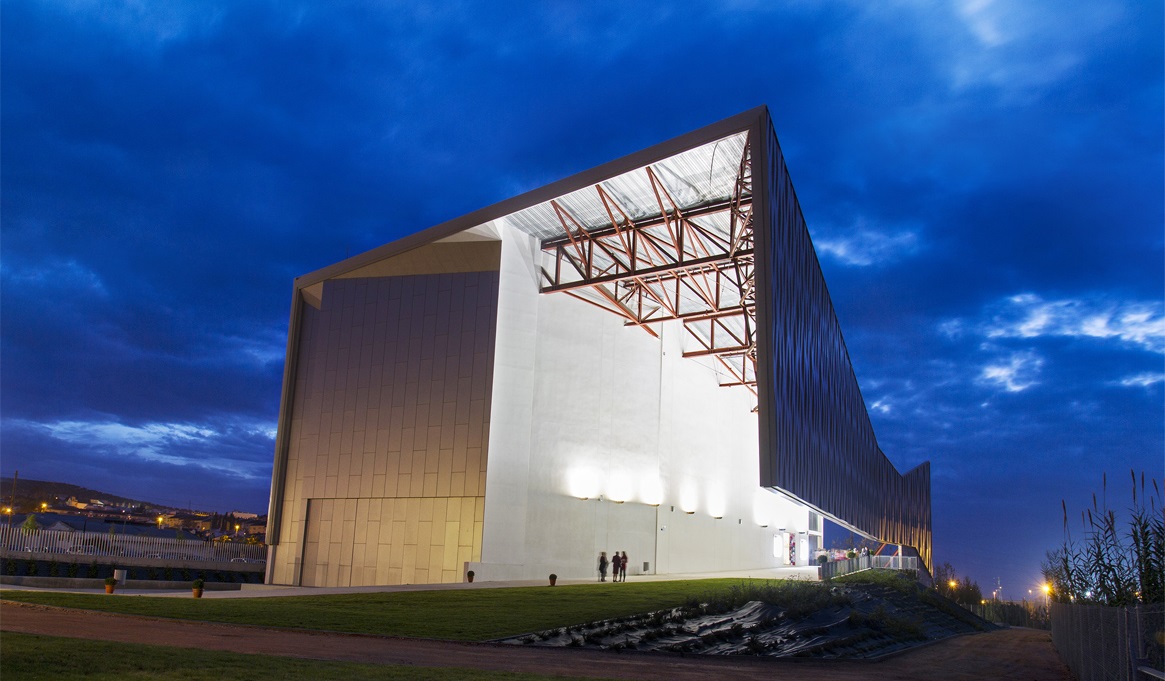
Strategically located in the geographical heart of Andalusia, Lucena is one of the region’s leading hubs for convention and conference activities. Our city is experiencing a simultaneous revival of both cultural and conference activities, thanks to its new auditorium. This facility allows Lucena to join the MICE segment (Meetings, Incentives, Conferences and Exhibitions), which has become a key driver for inland Andalusian cities with a strong tourist vocation.
Lucena stand out in the region as a top shopping tourism destination. In recent years, its historic center has evolved to offer visitors a wide range of specialized shops and commercial spaces, all providing high-quality products at competitive prices.
More than fifty facilities are available to artists, musical groups, and all types of creative collectives. These infrastructures serve as a cornerstone for the hundreds of performances and events that take place throughout the year in the city of Lucena.
A wide range of tourist activities and products is featured in the ‘Experiences’ catalog of the Middle Cities of Andalusia Network. This service is located within the Archaelogical and Ethnological Museum of Lucena, housed in the Castillo del Moral – a fortress whose origins date back to the 11th century.
An Industrial and Business Powerhouse in Andalusia
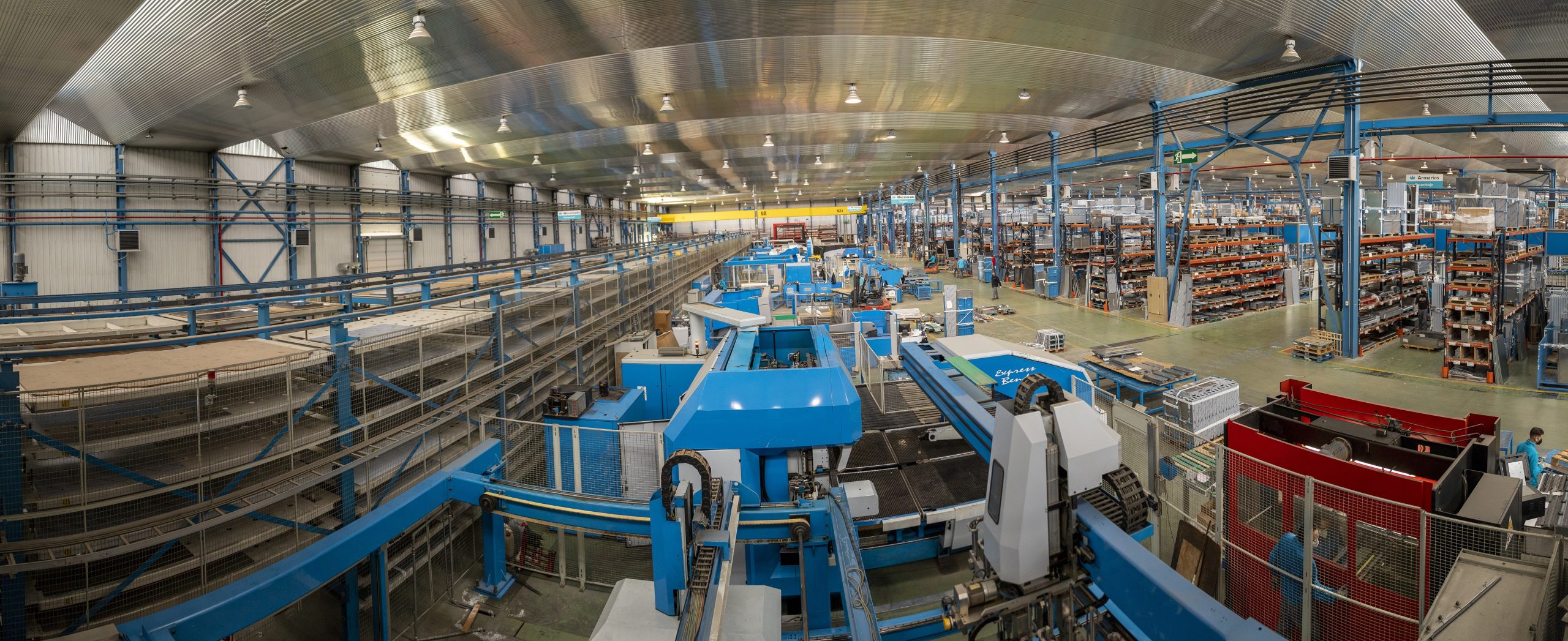
Over the years, Lucena has established itself as a regional and national business benchmark, excelling in sectors such as wood and furniture, as well as industrial cooling and heating. Furthermore, its long-standing agro-industrial tradition is worth highlighting, featuring two Protected Designation of Origin: olive oil and wine.
Within the economic framework of the province of Córdoba, Lucena boasts a high degree of industrialisation. Its economy is primarly driven by the industrial and service sectors, followed by agriculture and construction.
Equally prestigious is its metallurgical industry, which was once the engine of the city’s industrial development, led by its renowned bronze and metalwork workshops. The ‘Velón Lucentino’ (Lucena Oil Lamp) is its most iconic piece and a true symbol of the city, standing the test of time alongside the local production of religious metalwork.
As an entrepreneurial city, Lucena has consistently reinvented itself across all sectors and trades. This drive has placed i at the forefront of industrial development within the region and province, as it continously adapts to new demands in innovation and industrial growth.
A Vibrant Culture since its Origins
Lucena is in love with Culture. It has always been so –ever since the first pre-Neanderthals climbed the Sierra de Aras and gazed out over the horizon from the Cueva del Ángel.
During the Middle Ages, Sephardic, Muslim, and Christian cultures coexisted in what was then known as the ‘City of Poets’, serving as an example of tolerance, universality, and respect.
For this reason, Lucena is part of a multicultural range that preserves the most significant traces of the legendary ‘Perla de Sefarad’ (Pearl of Sepharad).
In this way, our town establishes itself as a forum for participation in any activity that enhaces tourism in all its creative forms. A unique place that opens the door to culture, creativity, and the arts.
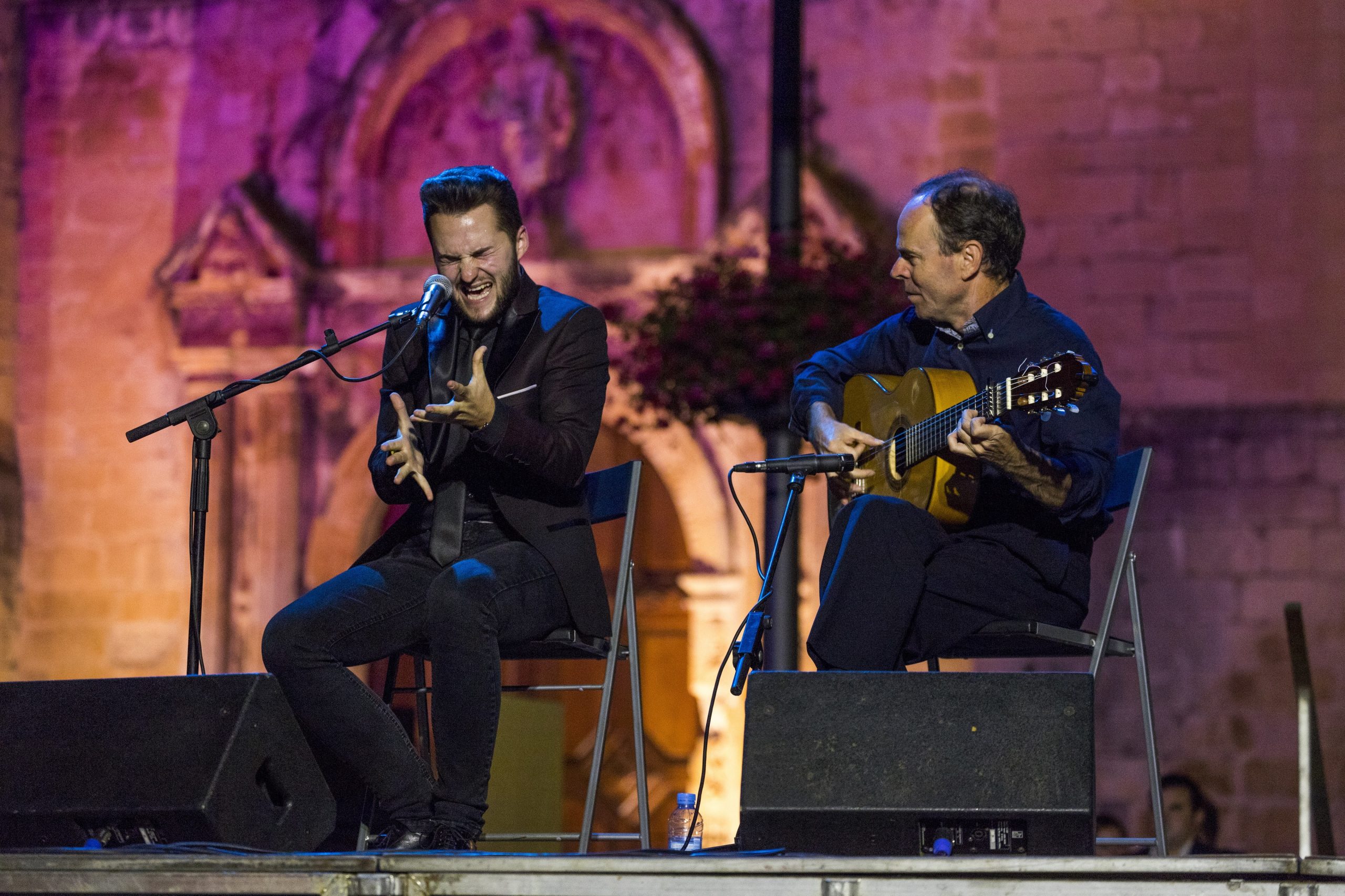
Numerous and diverse activities take place throughout the year, ranging from music and theater to painting and other creative arts. In addition to a infrastructure of venues –such as the Palacio Erisana, the ‘Manuel Lara Cantizani’ Auditorium, and open-air spaces like the Coso de los Donceles and the Municipal Football Stadium, among others– the city provides the perfect setting for a wide range of cultural and creative activities.
Jauja: the birthplace of ‘el Tempranillo’ and essence of the Subbética
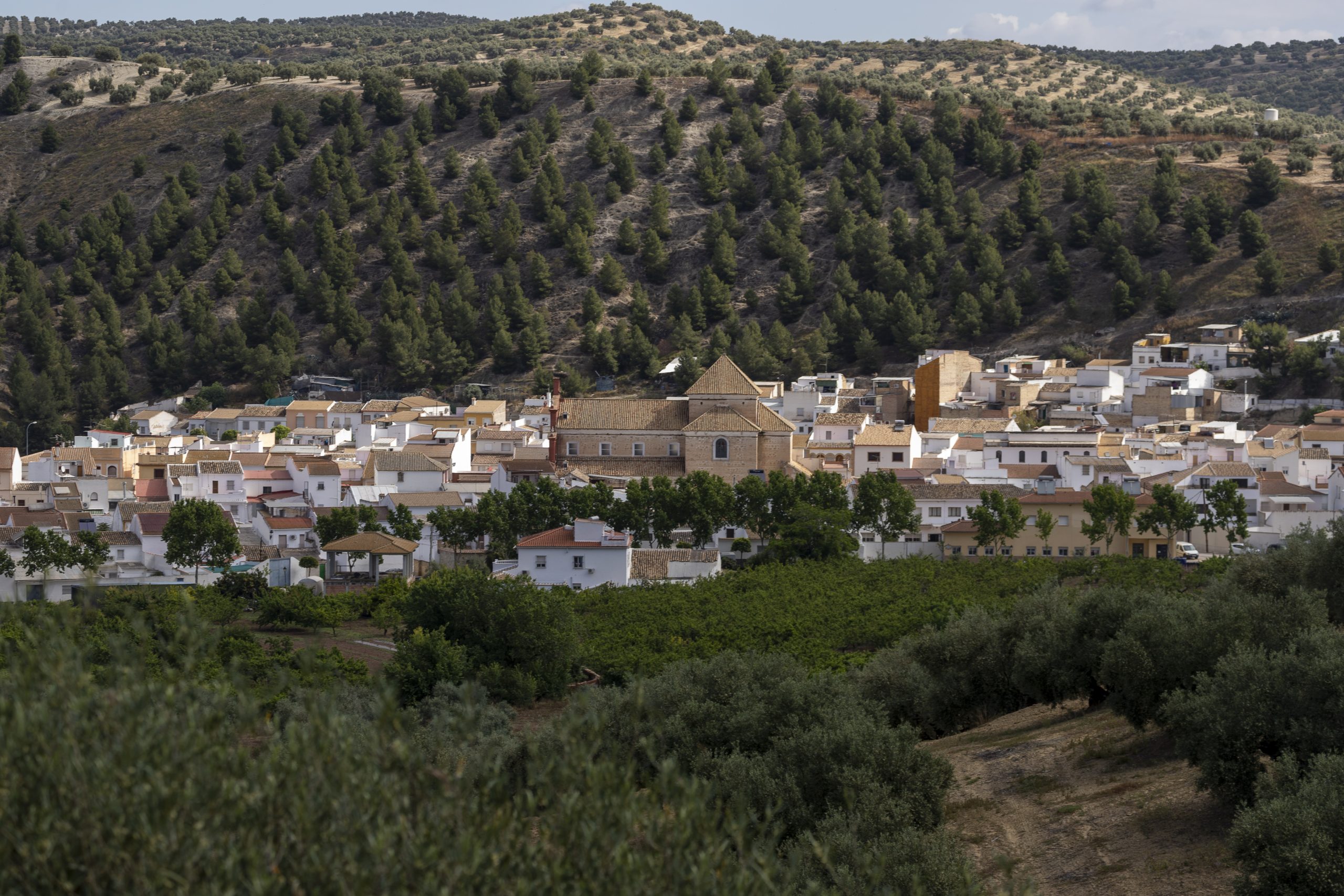
Located in the Subbética region, the village of Jauja –part of the municipality of Lucena– lies at the southernmost tip of the province of Córdoba, right on the border with Seville.
Its name comes from the Muslim occupation, as it derives from ‘Xauxa’ –meaning ‘passage’ or ‘gateway’– since its location served as a vital link between Granada and the plains of Écija.
This beautiful village, nestle on the banks of the Genil River, was the birthplace of José María ‘el Tempranillo’. It was the town that saw him grow up, alongside his humble family, and a place he would hold in his heart until the end of his days. Jauja and José Mª ‘El Tempranillo’ will be forever intertwined
The most essential sites to visit in Jauja are: the Centro Temático del Bandolerismo Romántico (Romantic Banditry Thematic Center), the Iglesia de San José (Church of San José), the ‘Aceña’ (Arab water mill) and the Noria (Waterwheel) on the Genil River, the Laguna Dulce and Amarga Nature Reserve, and the Mirador de La Viñuela (La Viñuela Viewpoint).
The local gastronomy is deeply rooted in the world of agriculture; therefore, the most typical dishes are those that have traditionally nourished the people of these municipalities for generations.
A wide range of active tourism can be enjoyed in and around Jauja, particularly those activities connected to the water.
Highlights include the Fiesta de la Candelaria (February 2nd), San Blas (February 3rd), Holy Week, the Festivities in honor of Santo Domingo de Guzmán (August Fair), and the Festivities of the Virgen del Rosario, the patroness of Jauja (October 7th).
Navas del Selpillar: Rural Essence in the Heart of Nature
This village is located 12 km from the town of Lucena and is surrounded by small hills, including ‘Cerro las Puertas’, ‘Cerro Zapateros’, and ‘Cerro el Puntal’. Its exact origins remain unknown The watering trough at the Fuente del Pilar is of great importance, as it dates back to the Roman era. Its strategic location was utilised by the railway line to build the Moriles-Horcajo station, which served the route to Baeza as part of the historic ‘Olive Oil Train’ line.
During the Roman era, medicinal baths existed near the Horcajo area, through they would eventually disappear over time. In these baths, there was a chapel dedicated to the Virgen de la Salud
The town’s patroness is the Virgen de los Remedios, who can be found in the village’s Parish Church. Its main celebration is held during the penultimate week of August and is in honor of this devotion.
Major celebrations include the Pilgrimage of the Virgen de los Remedios, the Day of La Candelaria, and the Fair of the Virgen de los Remedios (held during the penultimate week of August).