
Top Sights
Nature and Active Tourism
The Olive Oil Greenway
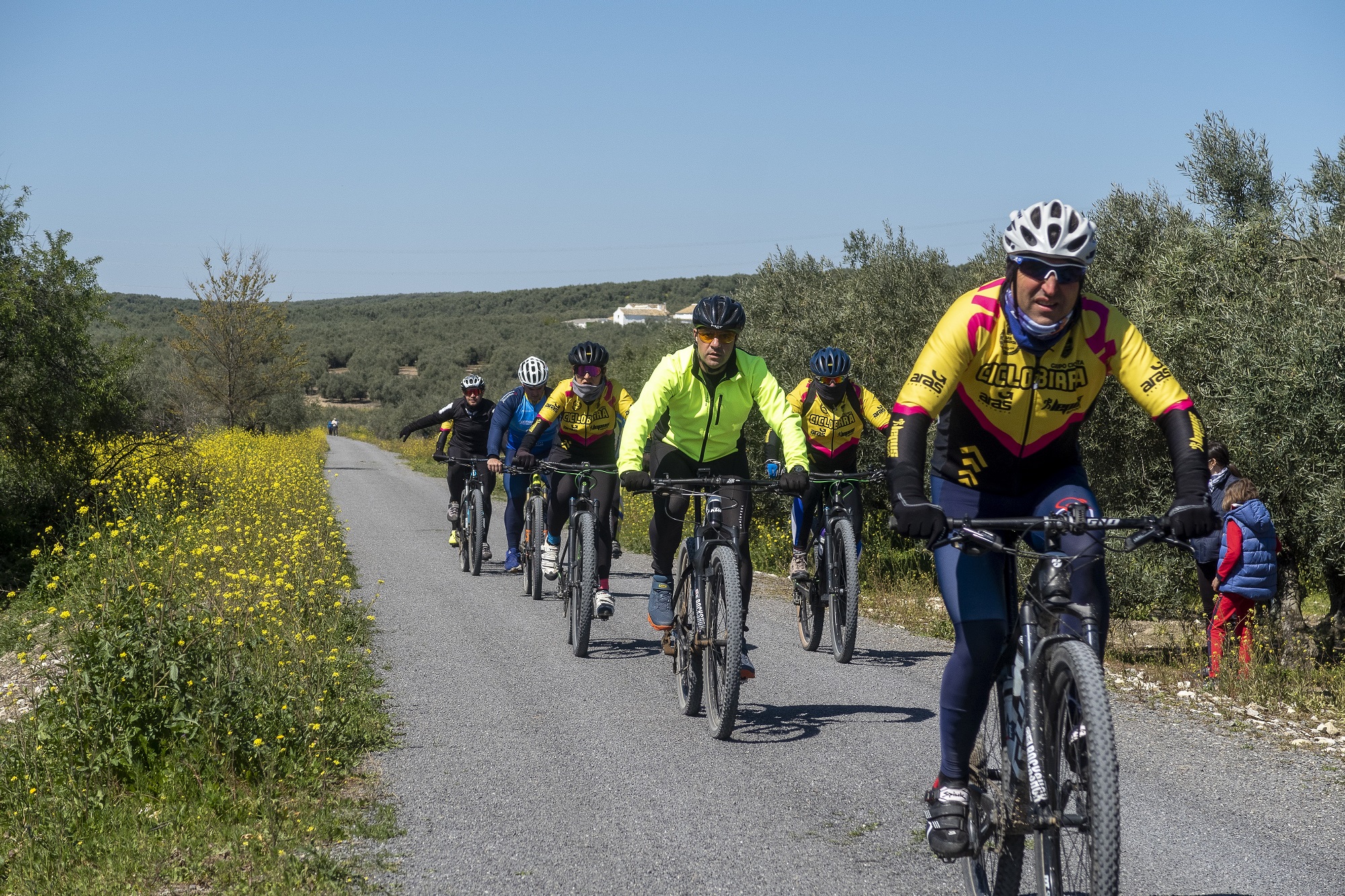
By following the disused railway lines of the Subbética region -formerly used by the ‘Olive Oil Train’- you can journey through the heart of Andalusia. The beautiful landscapes of the Sierras Subbéticas Natural Park blend with preserved railway architecture, featuring viaducts, stations, a 139-meter tunnel, and charming small buildings. As it passes through our town, the route runs along the old Renfe stations of Lucena and the local district of Las Navas del Selpillar, both of which have been restored as leisure and tourism areas. In the old Lucena Railway Station, visitors can find a variety of spaces and services, including a restaurant, landscaped gardens, bike racks, a children’s playground, a skateboard park, and a large parking area.
Sierra de Aras
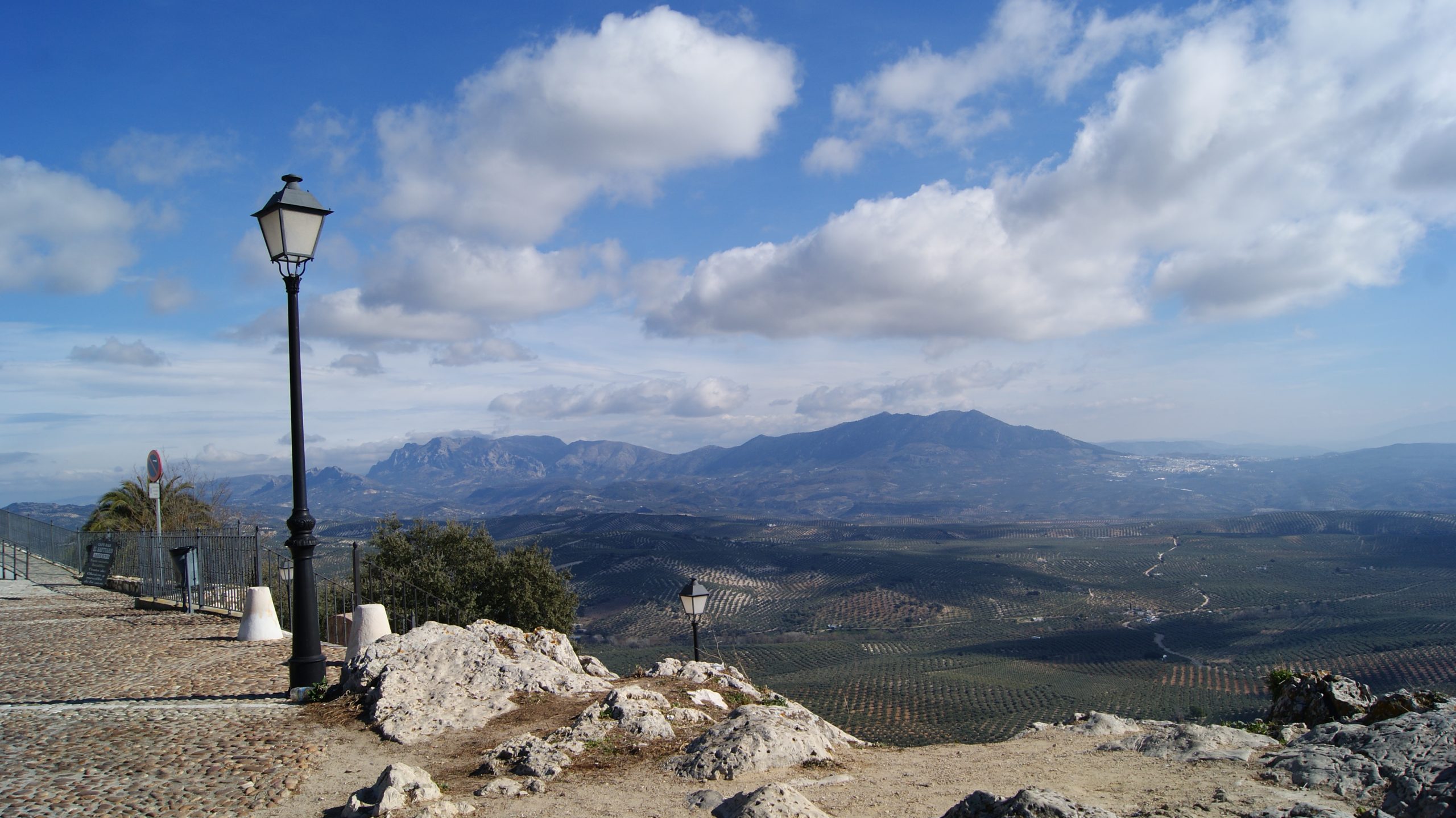
Six kilometers from Lucena, atop the Sierra de Aras, stands the Royal Sanctuary of María Santísima de Araceli (Our Lady of Araceli). The lands of 5 provinces and more than thirty villages unfold before the visitor’s eyes from this privileged natural balcony in the heart of Andalusia. One of the most beautiful Spanish landscapes, in the words of Camilo José Cela. It is home to significant vegetation, whose primary interest lies in the presence of a relatively well-preserved holm oak grove, within which a dense thicket grows. Sierra de Aras is also known for housing one of the most important paleontological sites in the province: the Cueva del Ángel (Angel’s Cave), featuring remains from the Lower and Middle Paleolithic periods. In the Sierra de Araceli, you can enjoy activities such as paragliding and hand gliding.
On the Genil River (Jauja)
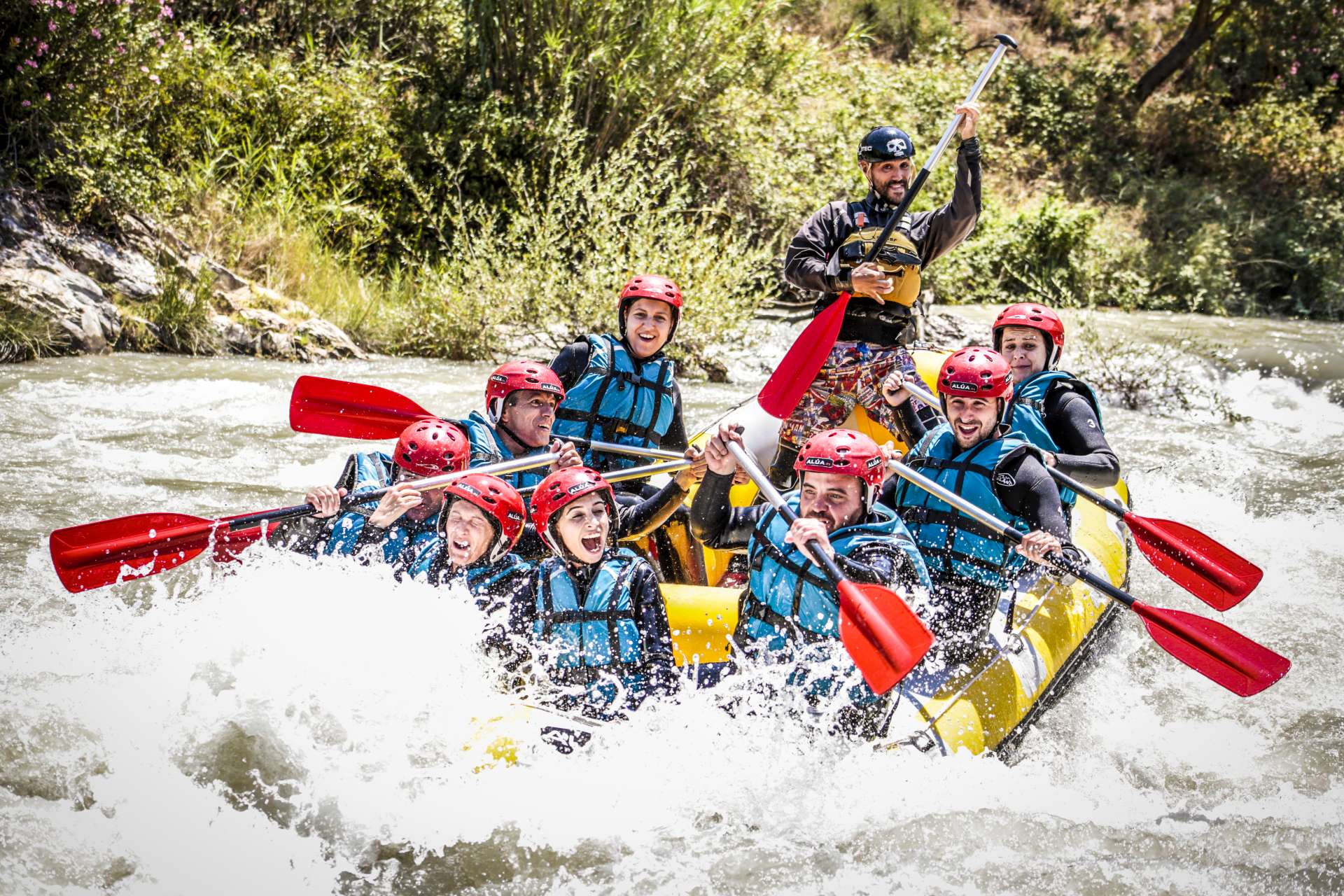
For adventure sports enthusiasts, the Genil River in the village of Jauja is an ideal spot for rafting and canoeing. Please note that these activities are subject to the river’s water level and are typically conducted through pre-arranged organized tours. Rafting is also available on the Genil River in the nearby towns of Benamejí and Palenciana. Spring and summer are the ideal times to enjoy this active tourism experience, as water releases from the Iznájar Reservoir -known as the ‘Lake of Andalusia’- are more frequent, providing a magnificent and beautiful opportunity to descend through its thrilling whitewater.
Hiking
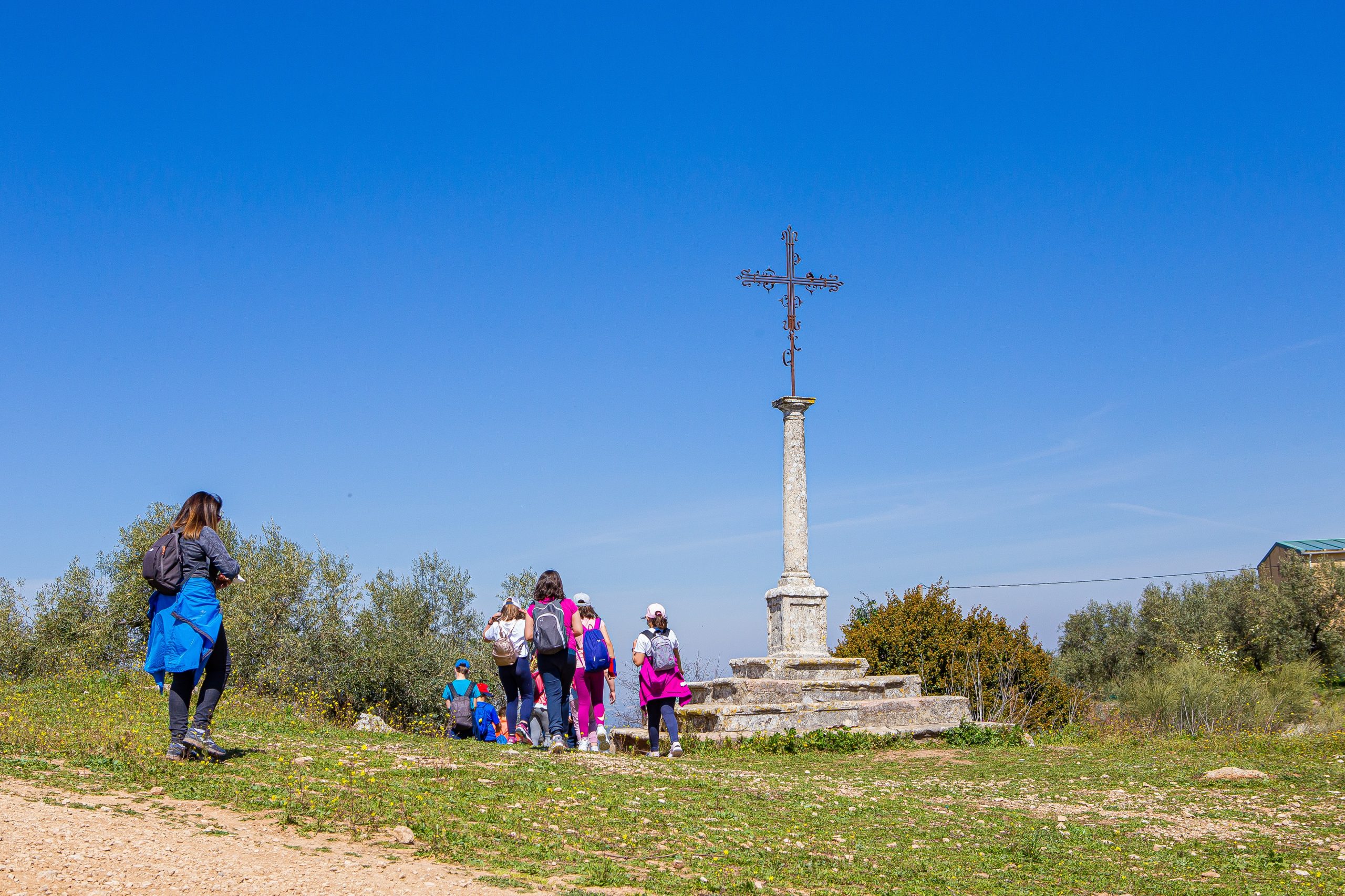
Lucena offers a wide range of hiking options, from flat trails ideal for families to challenging climbs featuring panoramic views of the Cordoba’s Subbética:
- La Sierrezuela – El Mortero Trail (PR-A 500): A circular route that begins near the old Lucena railway station. It is an easy trail that allows you to enjoy the local nature.
- Sierra de Aras and Santuario de Araceli: While it is possible to drive up, there are trails that ascend the slopes of the mountainside. It is a must-see due to its exceptional views of the town of Lucena and the surrounding region.
- Mozarabic Way of St. James (Lucena – Cabra – Doña Mencía Stage): Lucena is a key crossing point on this pilgrimage route. The strech connecting with Cabra is considered one of the easiest sections of the network.
- The ‘Open Doors Trails’ project aims to promote the municipality’s natural heritage through the design, signposting, and creation of 15 hiking routes. It is an opportunity to attract visitors who want to enjoy nature, physical activity, and the discovery of unique rural environments.
- The GR 341 ‘Caminos de Pasión’ Trail connects Lucena with the Subbética region and the rest of Andalusia through 320 km of nature and culture. Stages 4 (Cabra-Lucena) and 5 (Lucena-Puente Genil) are the highlights, ideal for both hiking and cycling. These routes traverse landscapes of olive groves, the Sierra de Aras, and the ‘Olive Oil Greenway’.
The Wetlands of Lucena
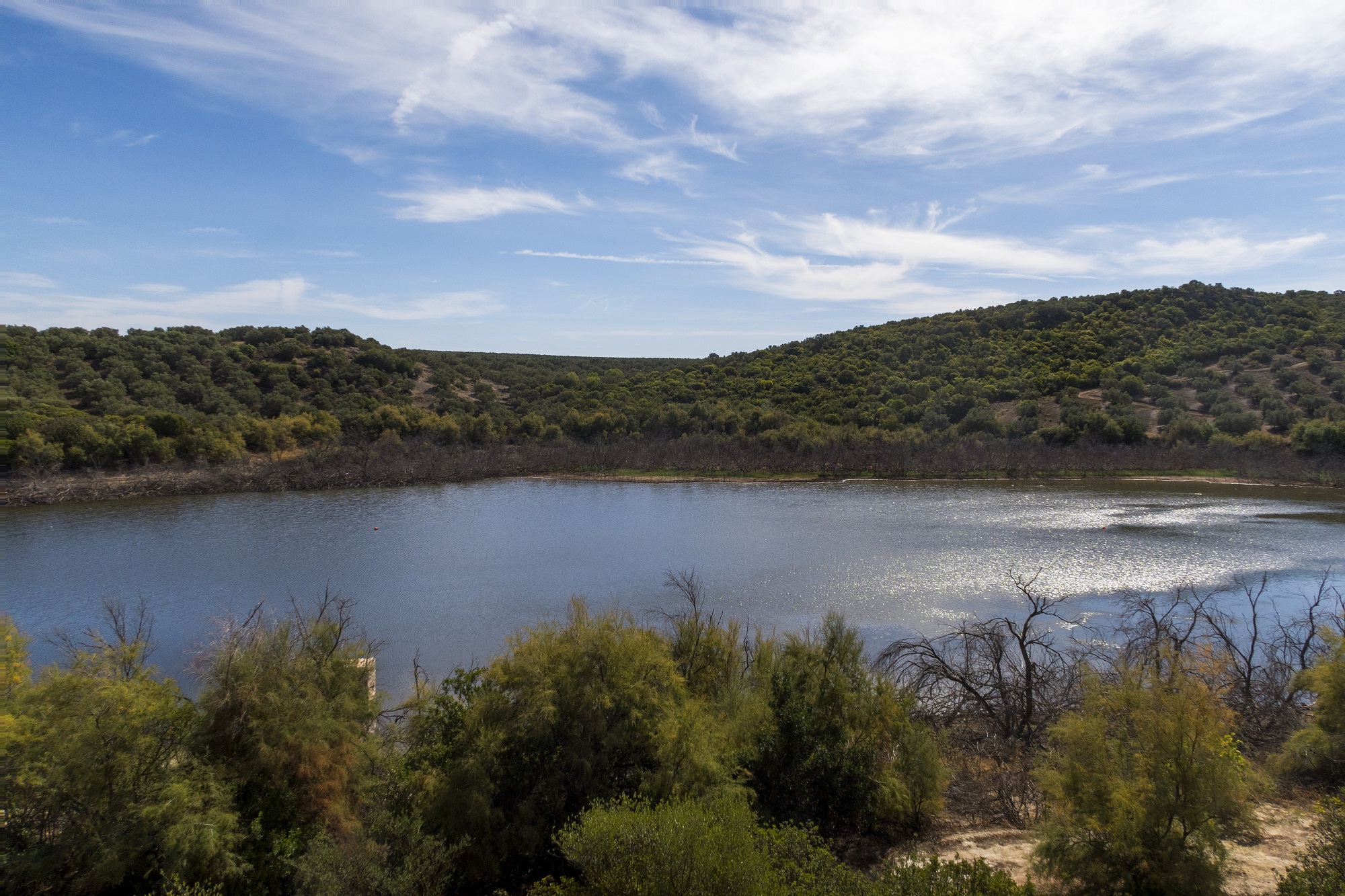
Laguna Amarga. Located within the municipality of Lucena and near the village of Jauja, this lagoon has permanent, brackish waters. They feature a high concentration of magnesium sulfate, which gives the water a bitter taste -hence its name. Its wide shoreline belt, ranging from 2 to 9 meters thick, is enriched with tamarisk trees (Taraje), which provide shelter for a great number of small birds. Kidney-shaped, it has a maximum depth of 4 m and covers an area of 13 hectares of Nature Reserve, surrounded by 250 hectares of protected buffer zone. Teeming with rich underwater vegetation, the lagoon is home to Eurasian coots, little grebes, mallards, red-crested pochards, common pochards, tufted ducks, and Northern shovelers. Most notably, it hosts the white-headed Duck and the Western swamphen, both of which breed annually within its lush vegetation belt. The surrounding area is dedicated to agriculture, primarly olive groves, with the exception of a rocky outcrop where native Mediterranean scrubland grows.
Laguna de los Jarales. A small lagoon with temporary, brackish waters located within the municipality of Lucena. It sits on Oligocene terrain, surrounded by a vast area of dryland farming – primarily olive groves, cereal crops, and vineyards. Practically circular in shape, it completely lacks a shoreline belt, although its underwater vegetation is highly significant. With a surface area of 5.46 hectares of Nature Reserve and 116 of protected area, it has a maximum depth of 0.4 m. It hosts a large number of ducks and waders during the winter months. It is frequently used as a resting place by flocks of mallards. Laguna Dulce. For 25 years, the Laguna Dulce was drained for cereal farming. Today, it has been acquired by the administration and restored with the goal of returning it to its most natural state possible. To achieve this, the drainage systems were removed and the shores were replanted with native vegetation. The spatial distribution of this lagoon and its neighbor, Laguna Amarga, is quite curious. Despite being located less than 50 m apart, the physical and chemical characteristics of their waters are vastly different, as their own names suggest. One has bitter waters, while the other has fresh waters. One is seasonal, while the other is permanent. All of this results in different species inhabiting each lagoon, increasing the overall biodiversity as both ecosystems complement each other.
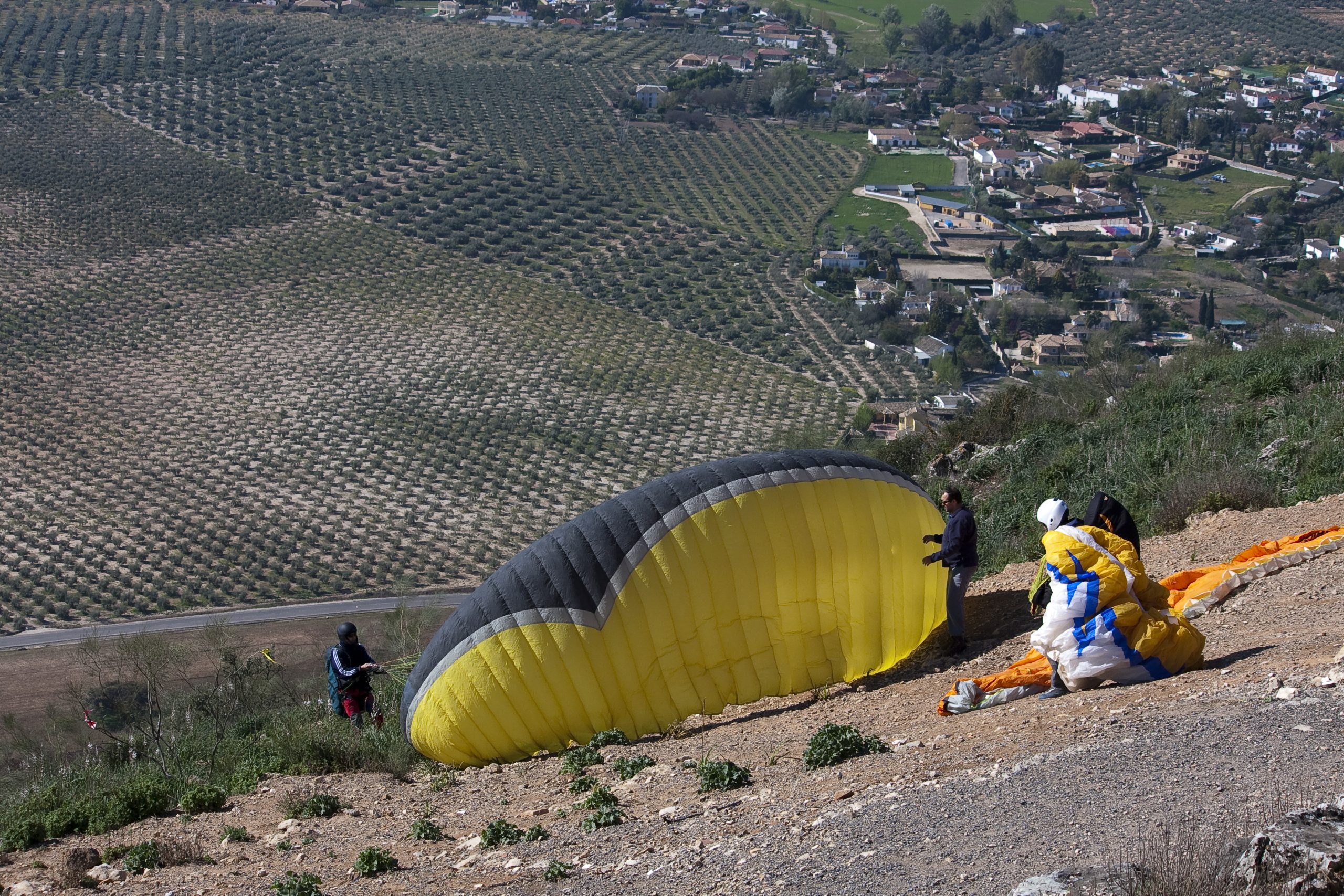
Paragliding in Sierra de Aras
Sierra de Aras is an ideal location for paragliding and hang gliding, thanks to its highly favorable conditions. These include a well-oriented slope and a dedicated launch site, as well as a spacious and convenient landing zone near Campo de Aras. It is quite common to find athletes practicing these sports there. Whether you are a paragliding enthusiast or simply enjoy watching these sails glide through the sky, you shouln’t miss the chance to experience this sport. At the summit of Sierra de Aras stands the Royal Sanctuary of Mª Stma. de Araceli. From this privileged natural balcony in the heart of Andalusia, the lands of 5 provinces and more than thirty villages unfold before the visitor’s eyes.

