What to visit
Places of Interest
Corners of Lucena that tell its history
Lucena is discovered by walking through it. Its streets, squares and hidden corners embody a way of understanding the city’s history, culture and identity. Places that, beyond their patrimonial value, are part of everyday life and give meaning to its character.
Flores Street is a landmark location during Holy Week in Lucena. Formerly the link between medieval walled Lucena and the suburb of the Santiago district, it is along this street that the processional ‘pasos’ (floats) of brotherhoods associated with this parish go by from Palm Sunday to Holy Saturday. Due to its narrowness, the santeros are forced to move inside the parigolón to completer the route, carrying it through without stopping, “in a single strech”, making the procession especially beautiful for the ‘pasos’ with canopy.
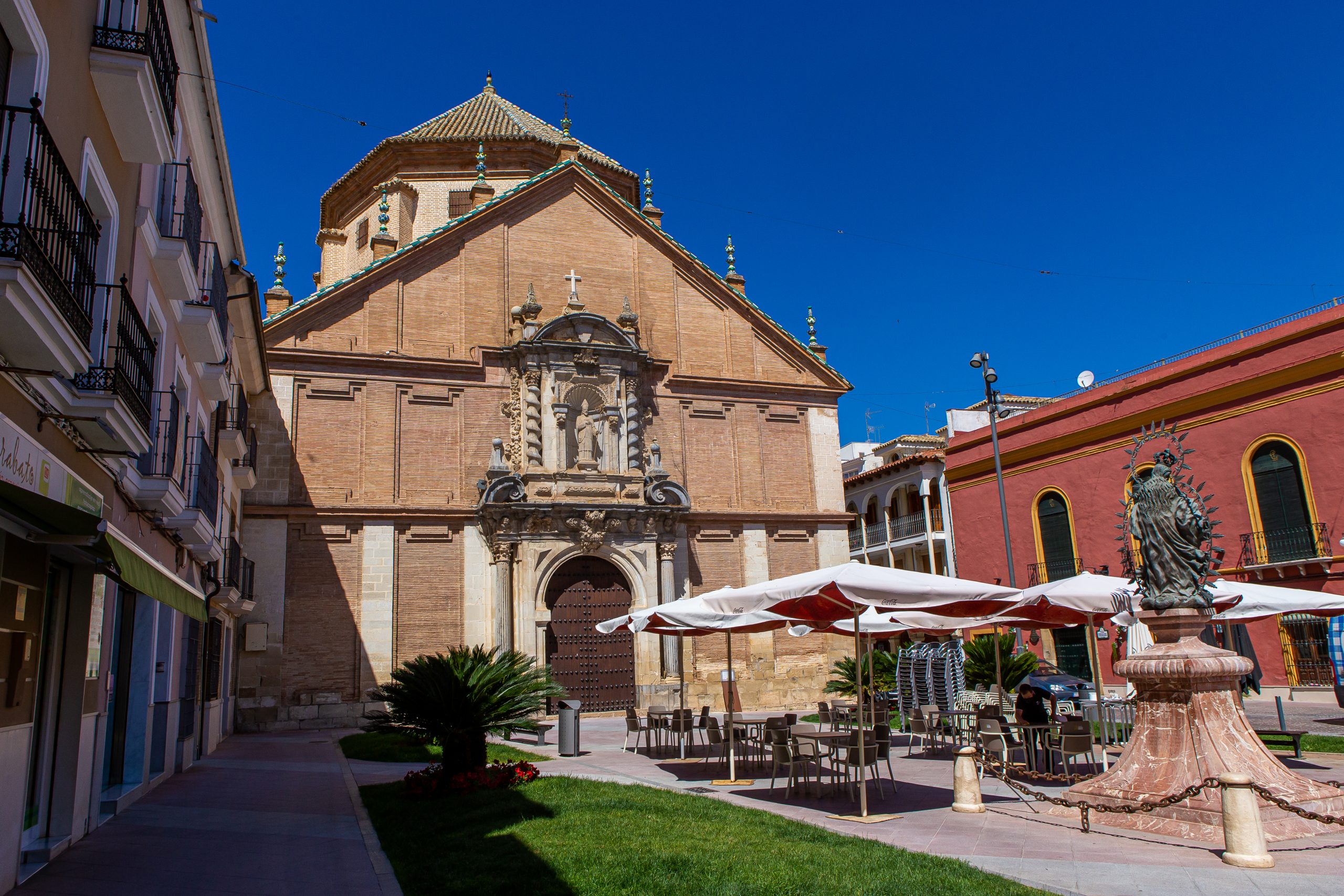
Very close by, the Cuesta del Reloj, which connects Las Torres Street with Plaza Nueva Square at the foot of the town hall tower, is another emblematic spot through which most of Lucena’s brotherhoods begin or end their processions. In Llanete de San Agustín, practically all the Passion brotherhoods parade their ‘pasos’, with the ‘Balcón del Círculo Lucentino” (Lucena balcony of the Circle) standing out as a landmark location for the singing of ‘saetas’. In addition, the monument to the Immaculate Conception stands here, erected by the Agrupación de Cofradías of Lucena in honour of its Patroness.
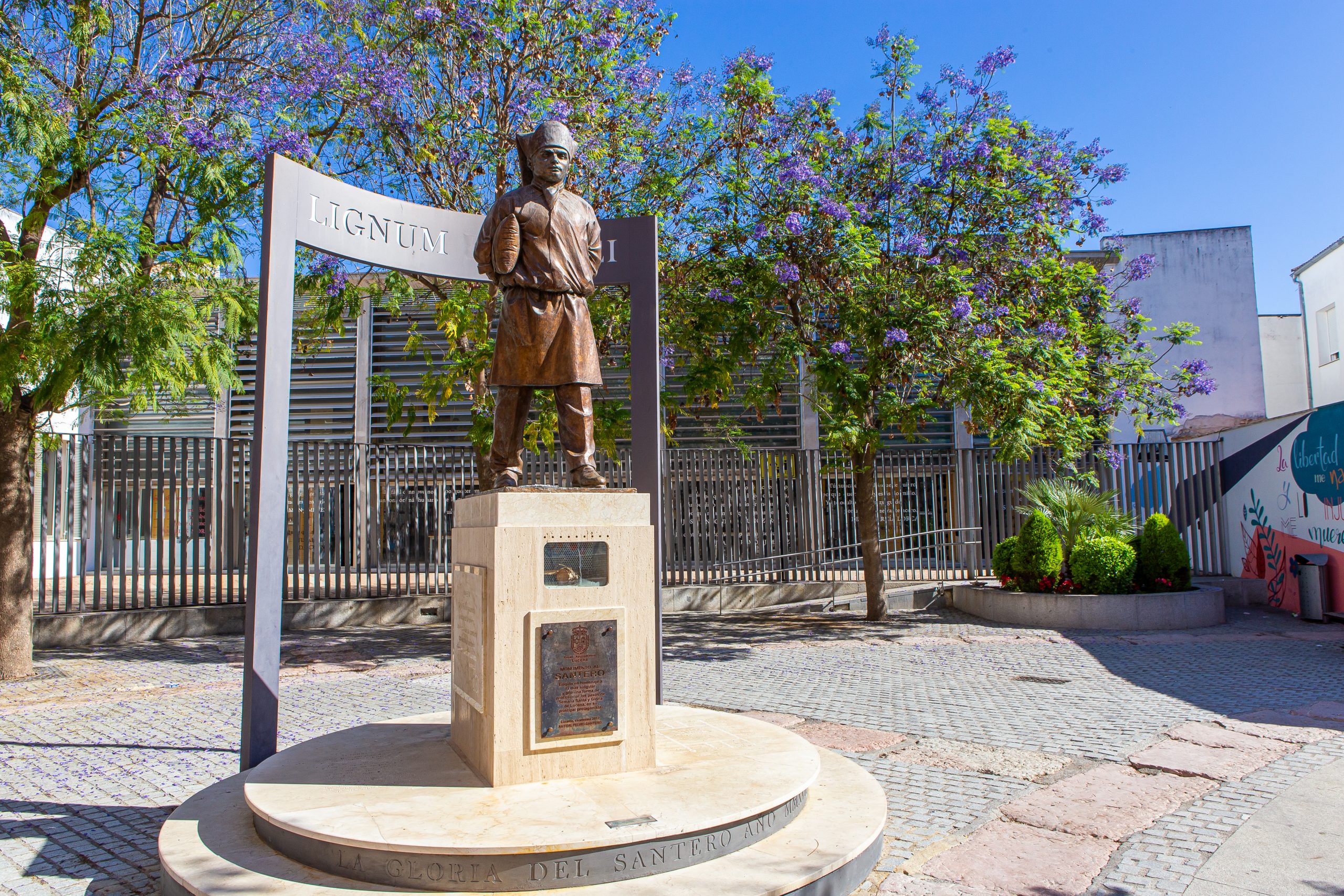
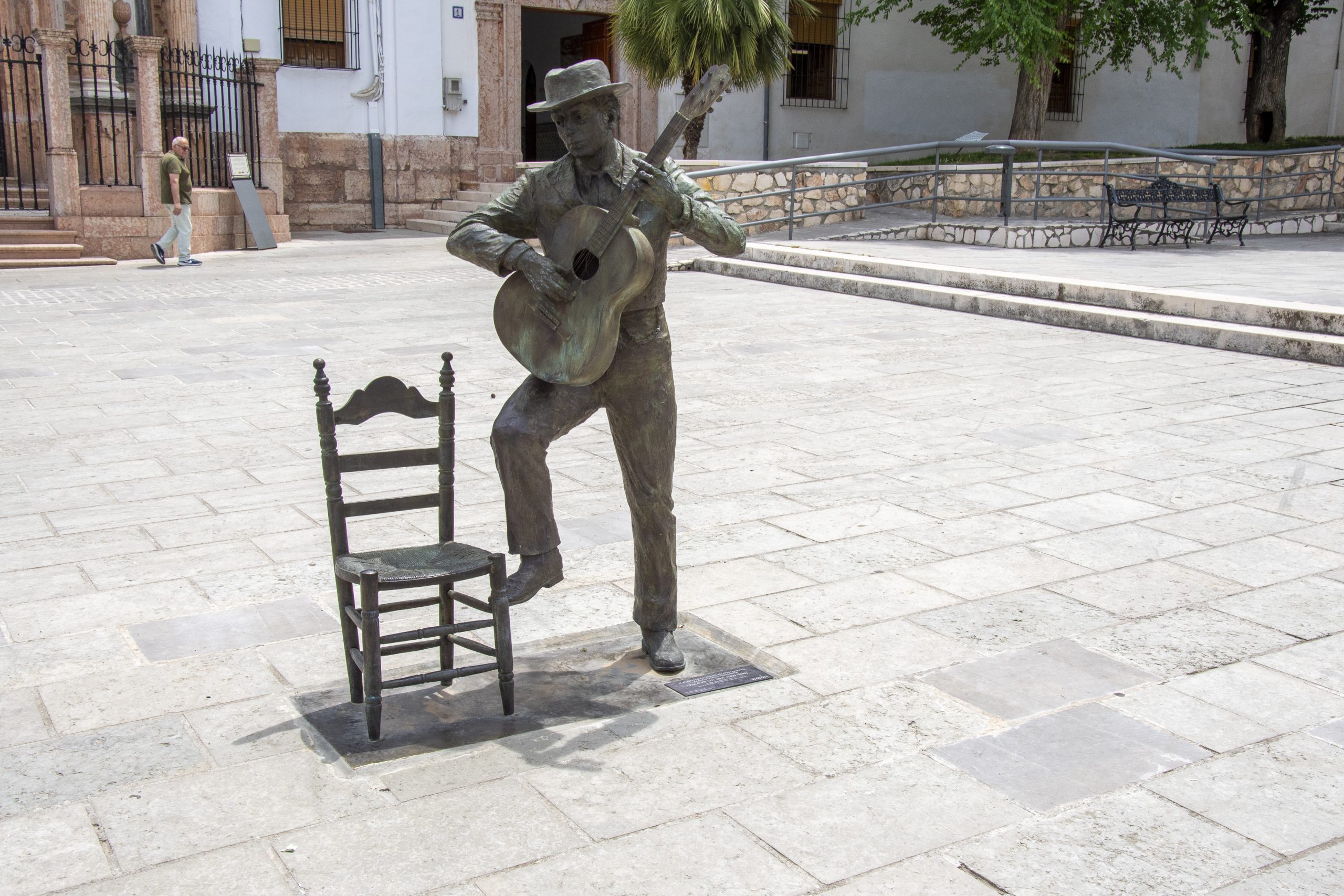
On Flores Street itself lies thePlaza Juan Parejo Pineda (Juan Parejo Pineda Square) , where a monument inspired by the world of santería and supported by the Town Council pays tribute to the figure of the santero –with the unique detail that the sculptor Pedro Cantero used his son’s face for the work– accompanied by inscriptions written by Juan Parejo Pineda and the official chronicler Francisco López Salamanca. Meanwhile, in the Plaza de San Juan de Dios (San Juan de Dios Square) stands a monument paying tribute to Paco de Lucena, a local artist and essential figure in the history of flamenco who, despite a tragically short artistic career, stood out for innovating flamenco guitar technique, becoming one of the first international concert performers of the instrument.
The Paseo del Coso, the city’s oldest square and historic heart, served for centuries as a venue for markets, festivities, bullfights, executions, and military events until the construction of Plaza Nueva in 1618. It still preserves historical elements such as the city’s coat of arms and references to the former Medinaceli Palace.
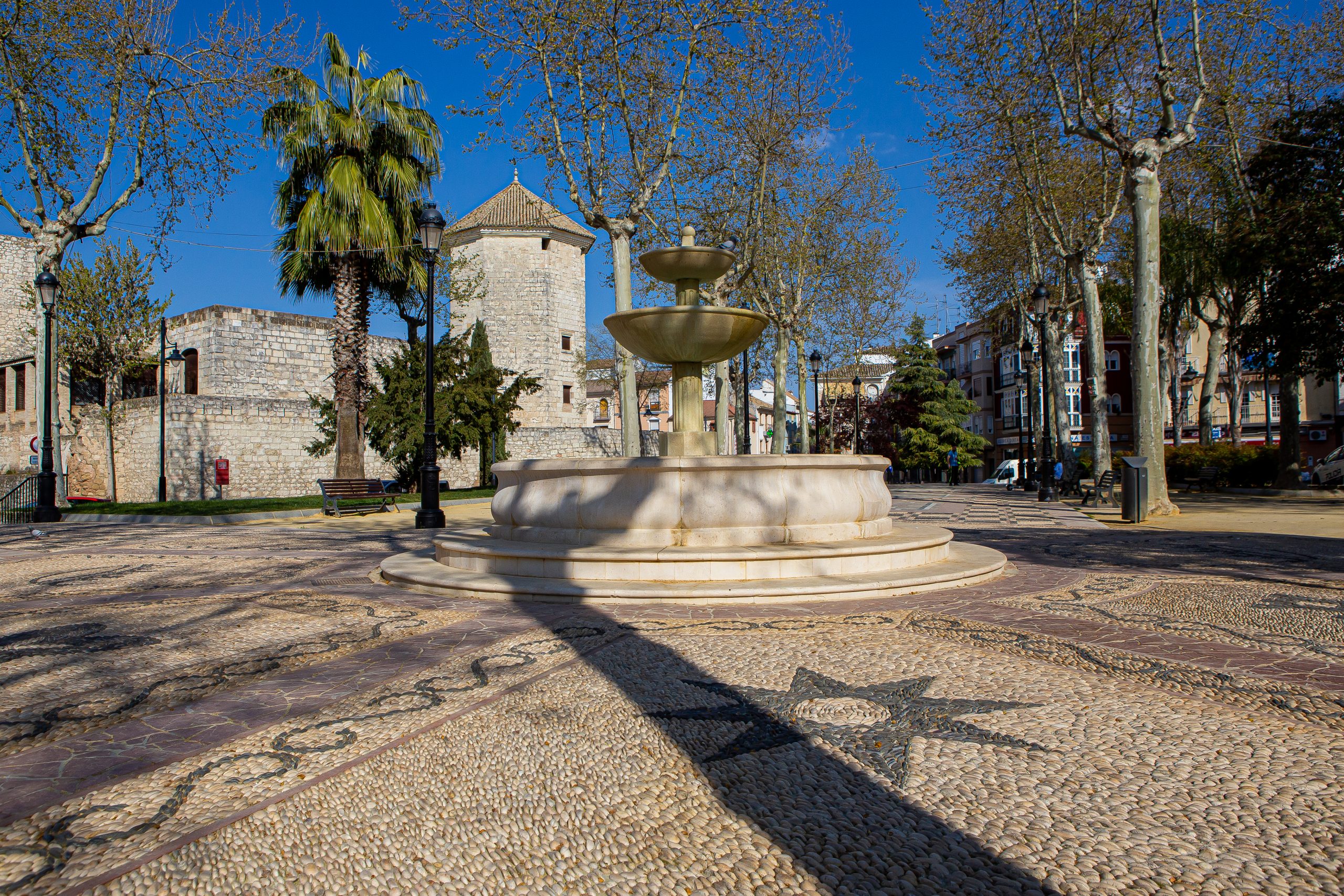
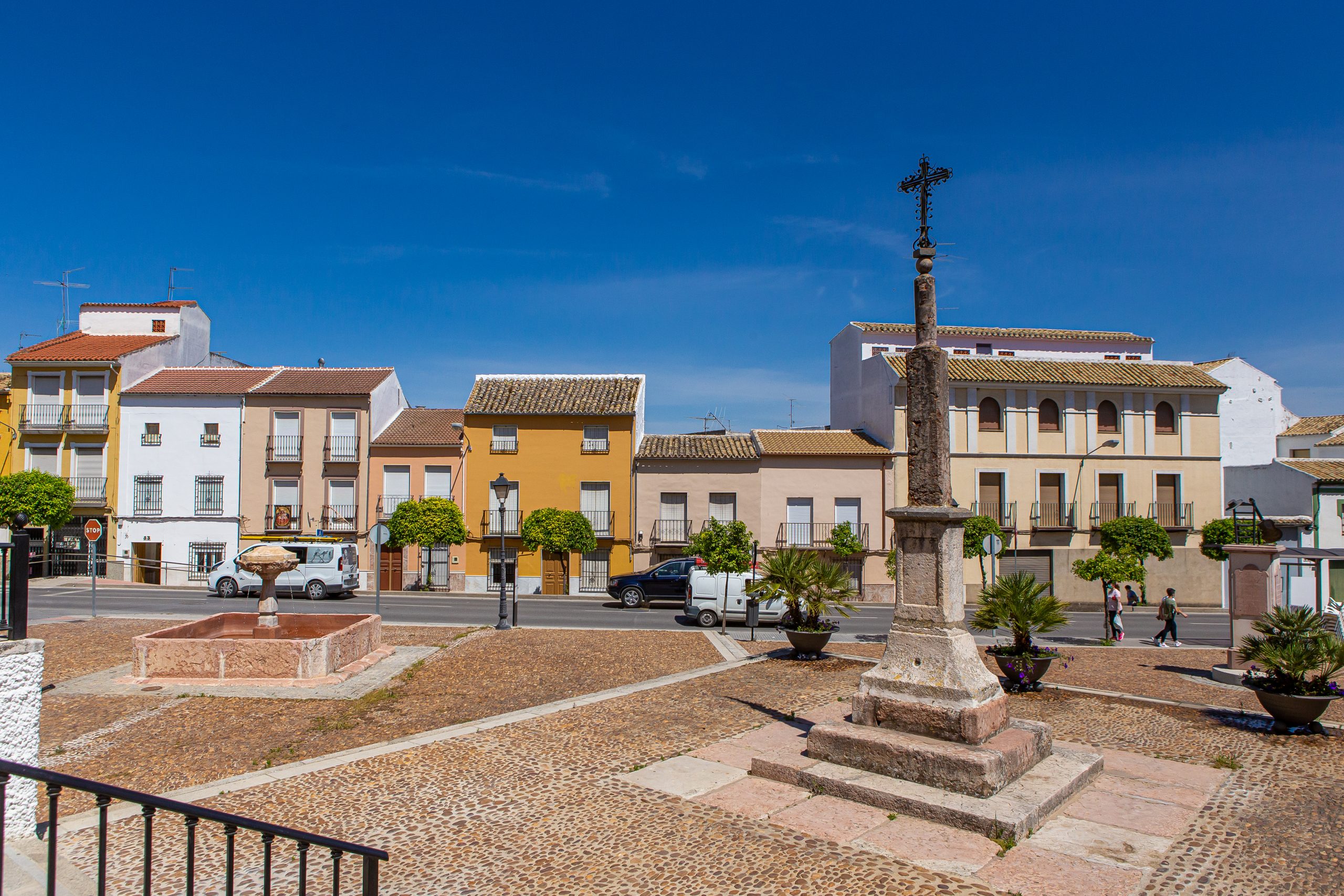
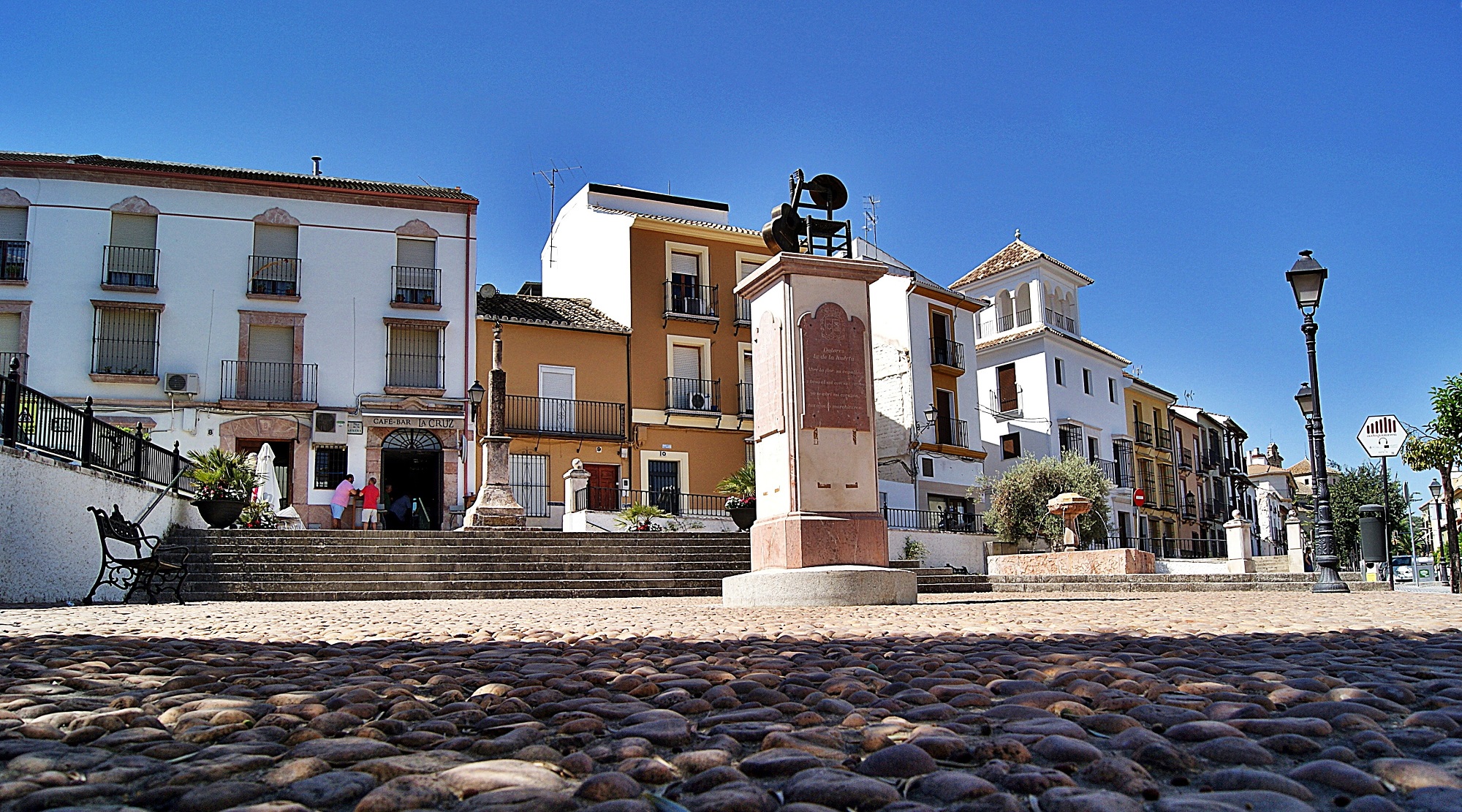
In the Plaza de la Barrera (La Barrera Square), closely associated with the fandango of Lucena, highlights include the 1773 fountain built over an old cistern, the 1632 cross, and the doorway of the former hermitage of Ntra. Sra. de Araceli (Our Lady of Araceli). The Plaza de la Calzada (La Calzada Square), located in the southern part of the city, features a fountain of convent origin and is home to one of Lucena’s most significant discoveries: the Jewish necropolis of Lucena, the largest excavated in the Iberian Peninsula and the first accesible Jewish cemetery.
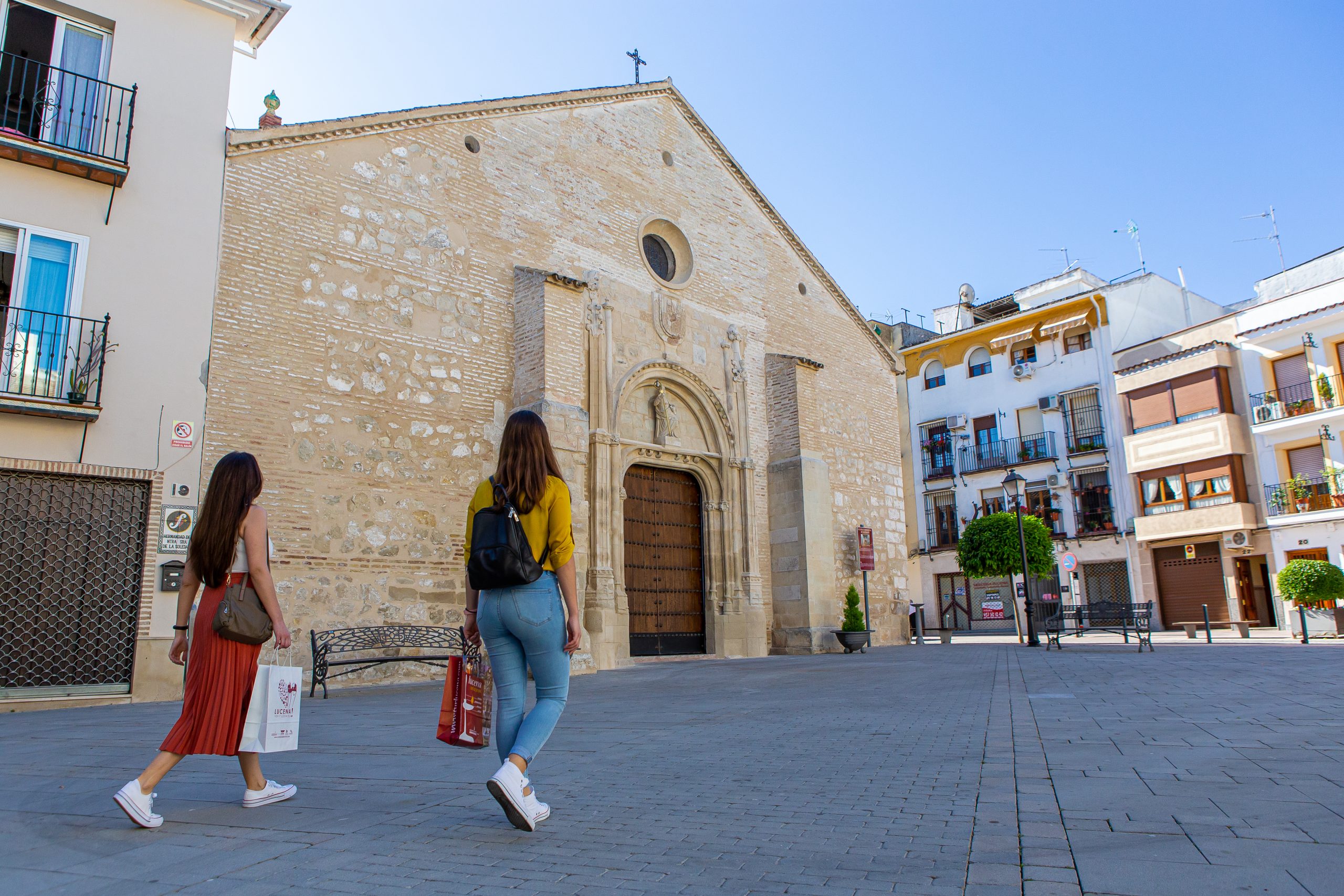
The Llanete de Santiago, one of the city’s oldest and most popular neighborhoods, evokes Lucena’s Sephardic Jews past, and is home to a sculpture dedicated to Rabbi Joseph ibn Migash. Very close by, the Pasaje del Cristo de la Columna commemorates the devotion to this image, attributed to Pedro Roldán, with a monument inaugurated in 2013.
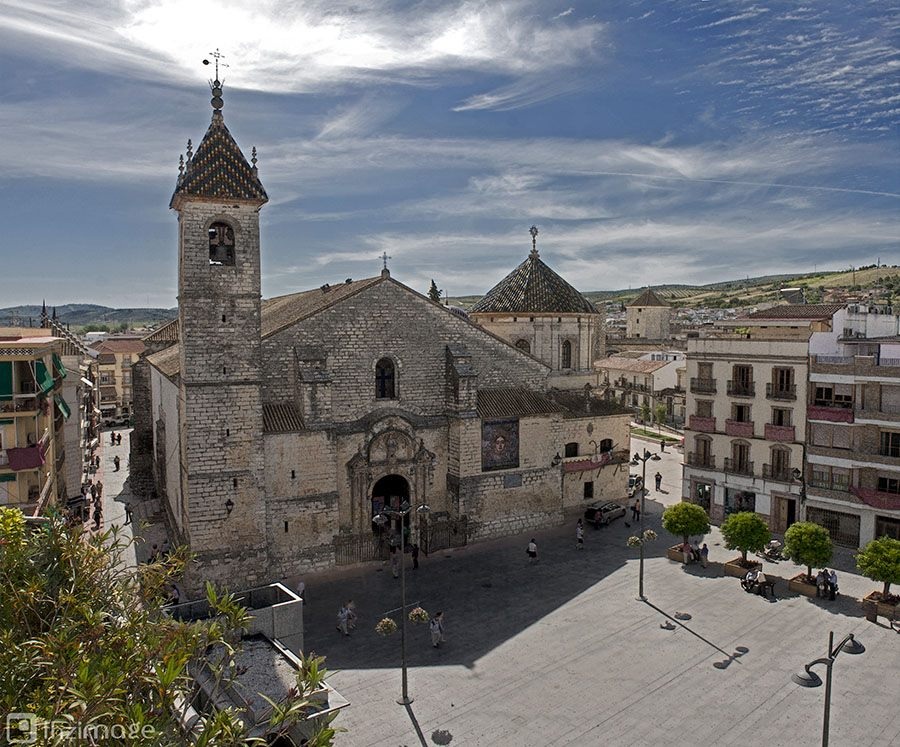
The Plaza Nueva, the centre of urban life since the 17th century and dominated by the Town Hall and the Church of St. Mathew, has evolved over time while maintaining its central character.
In the historic quarter, the Plaza de San Miguel (San Miguel Square) preserves the Gothic-Renaissance façade of St. Matthew and a bust of Luis Barahona Soto, while the Plaza de Archidona (Archidona Square), twinned with the Málaga town of Archidona, offers views of the Castillo del Moral, where Boabdil was imprisoned.
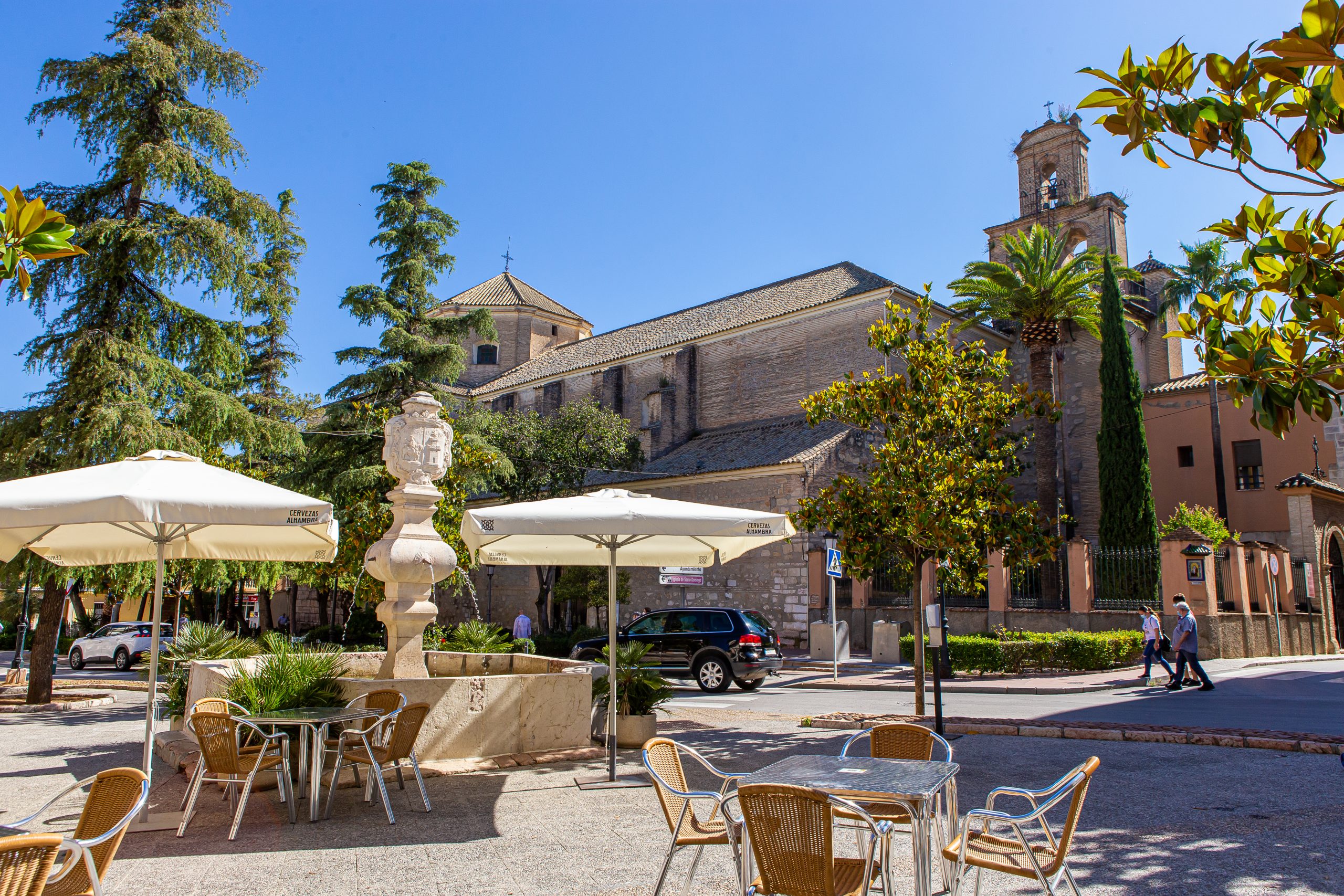
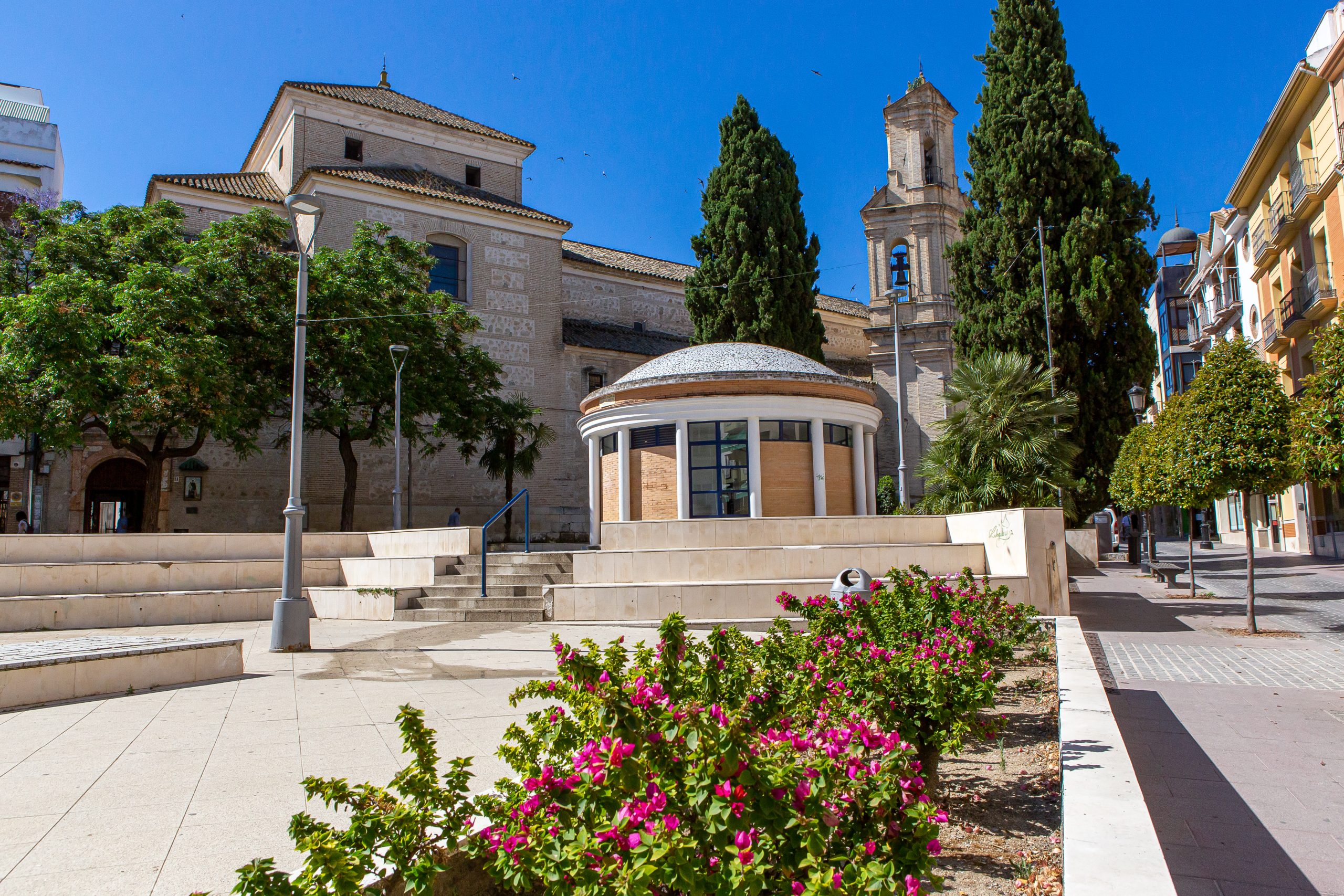
The Llanete de San Francisco, in front of the Franciscan convent, features a fountain bearing the symbolism of St. George and the coat of arms of Lucena; the Llanete de la Virgen de la Estrella, beside Cabrillana Street, combines devotion and stately architecture; the Paseo de Rojas, created in the 19th century, has evolved into a space for urban leisure; and the Llanete del Cristo de la Sangre, next to the parish church of Santo Domingo, is dedicated to one of the city’s oldest and most venerated images, possibly of American origin, closely linked to the historical and religious tradition of Lucena.