Heritage
Sculptural Heritage
The Religious Imagery of Lucena: Five Centuries of Faith Preserved as Heritage
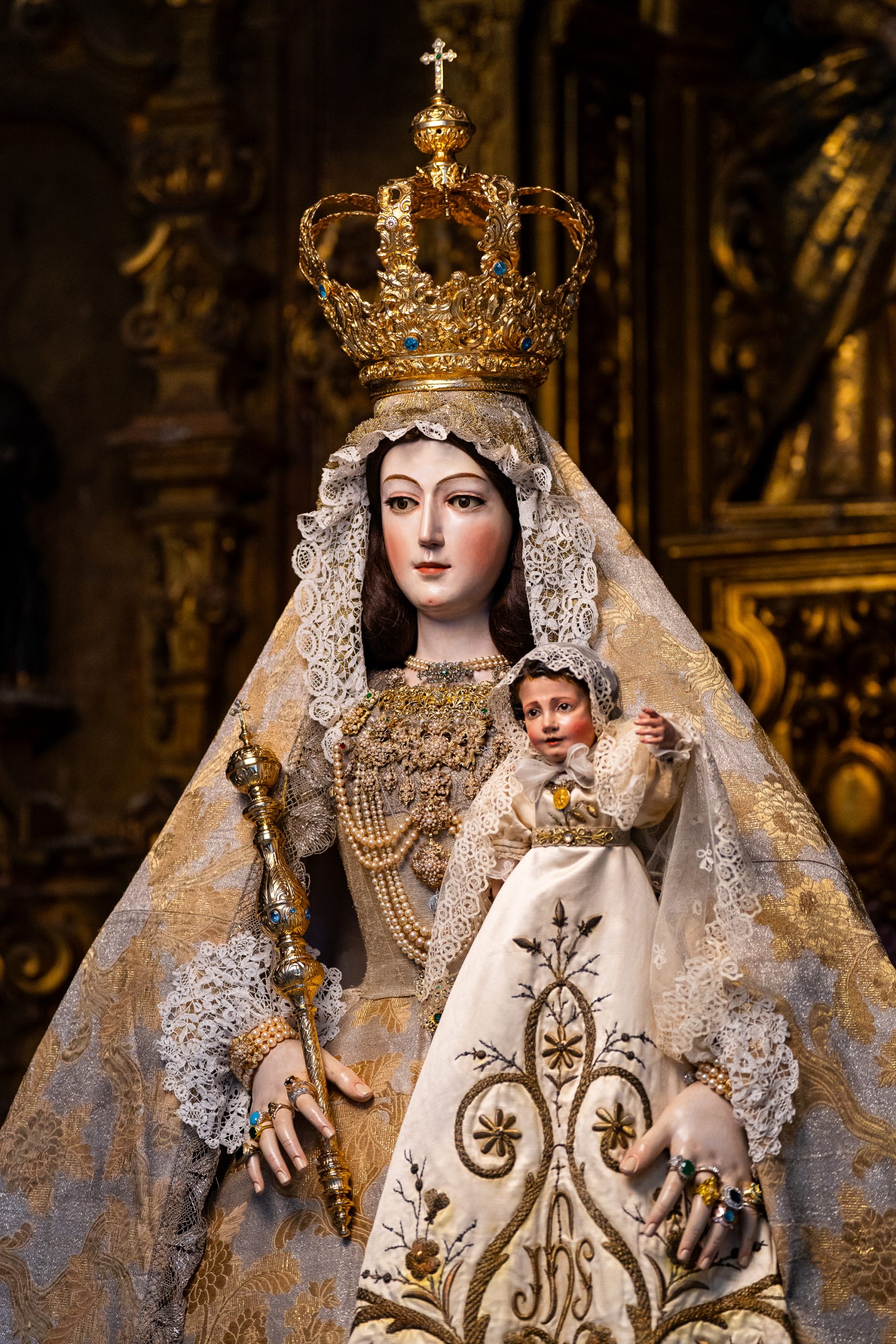
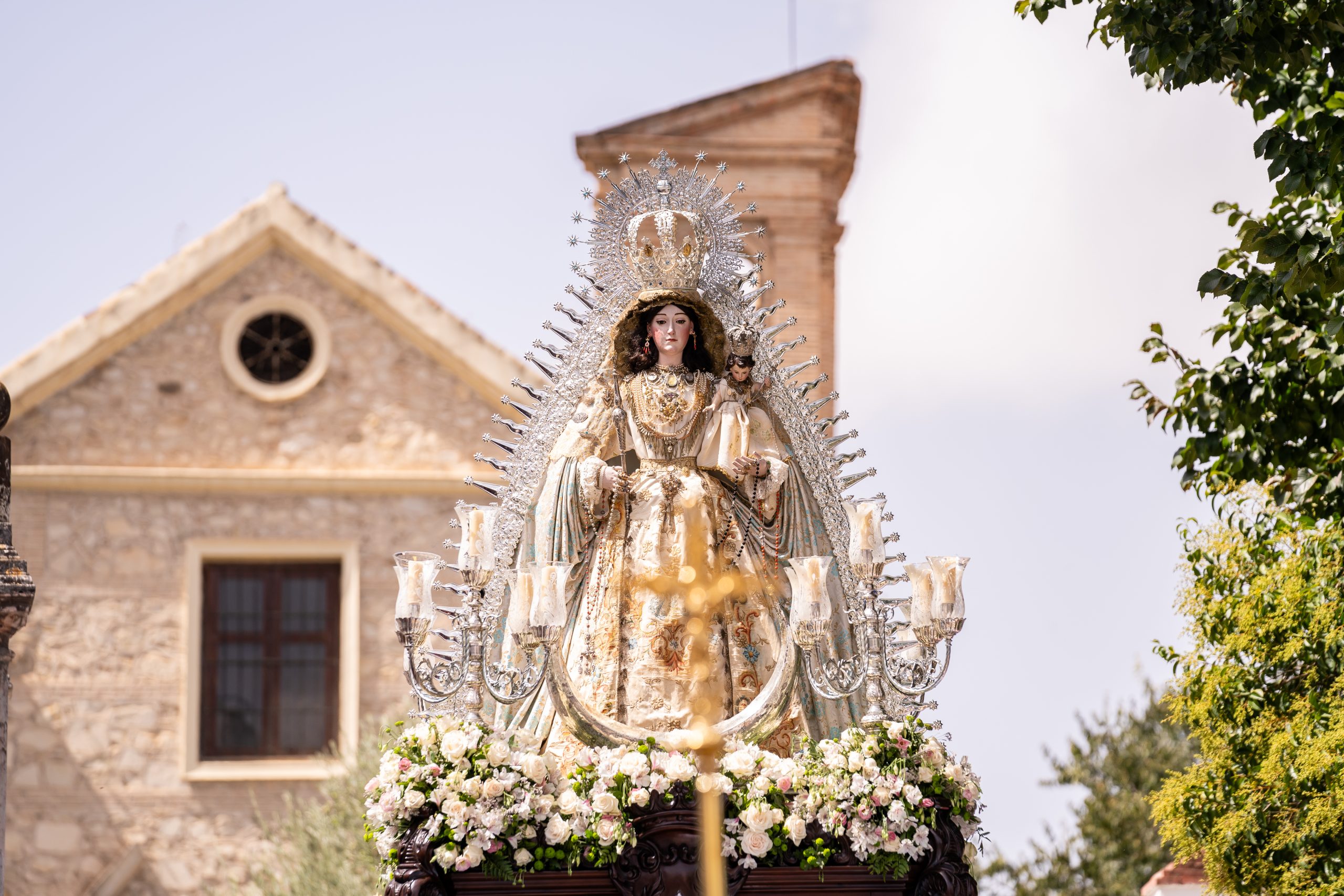
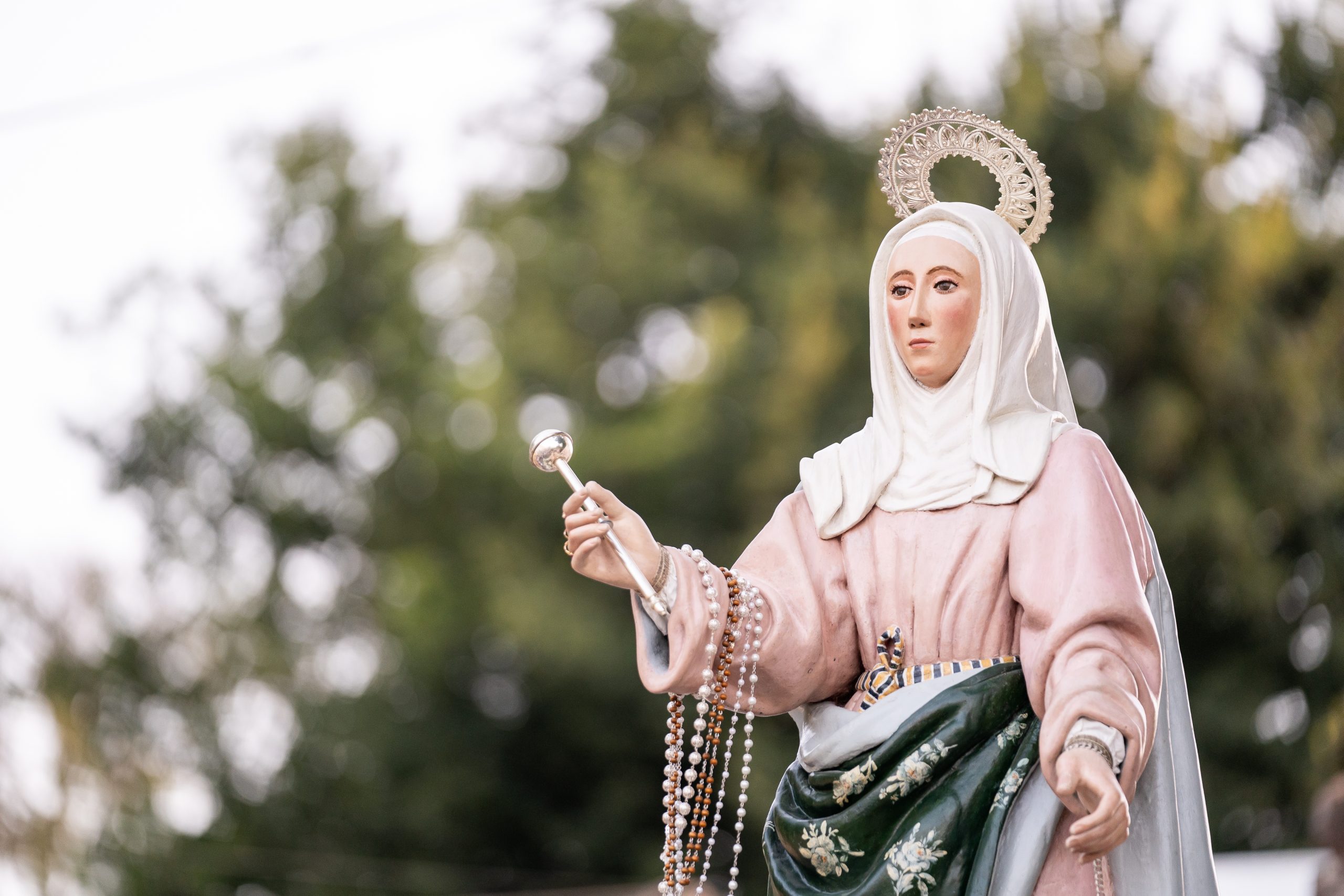
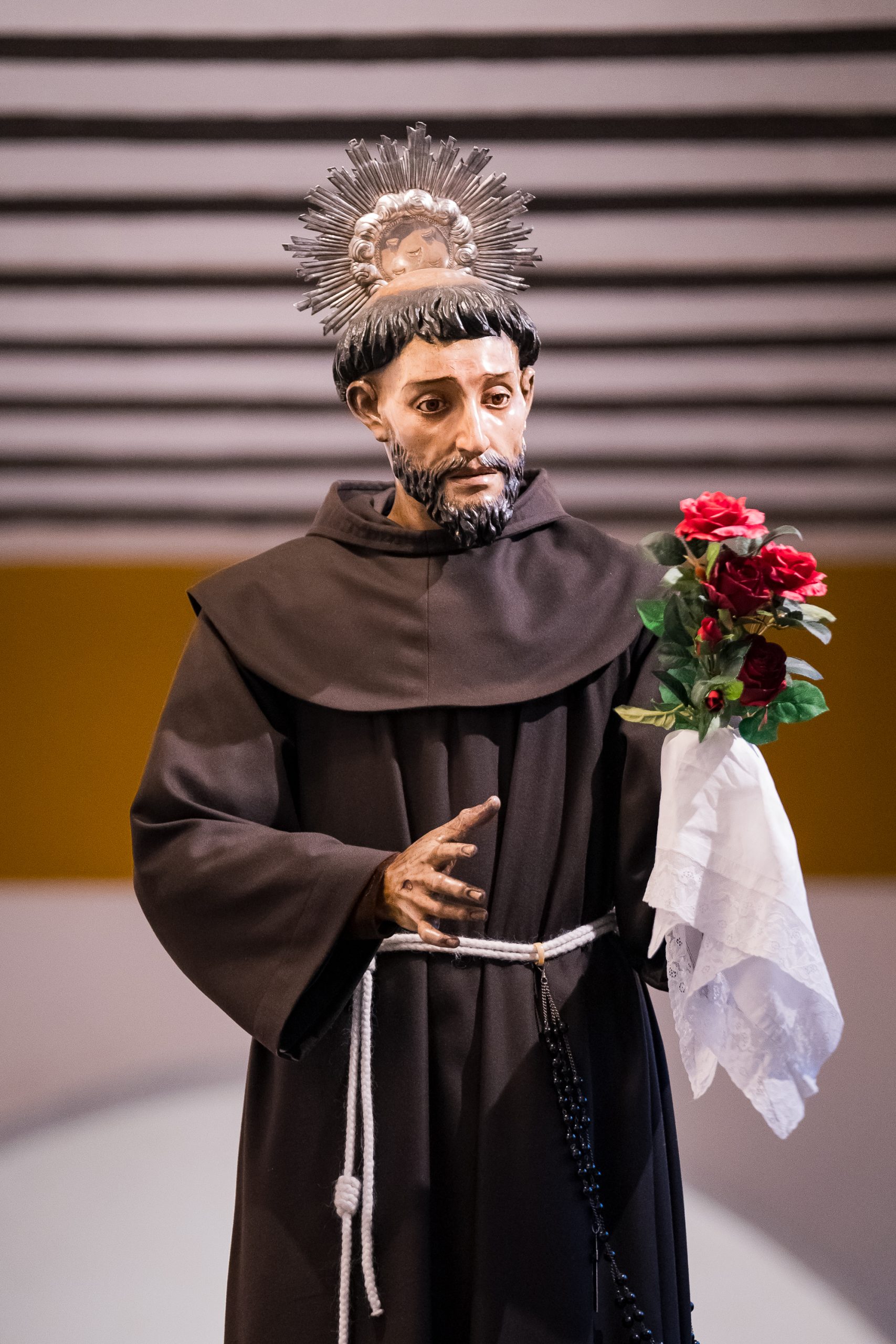
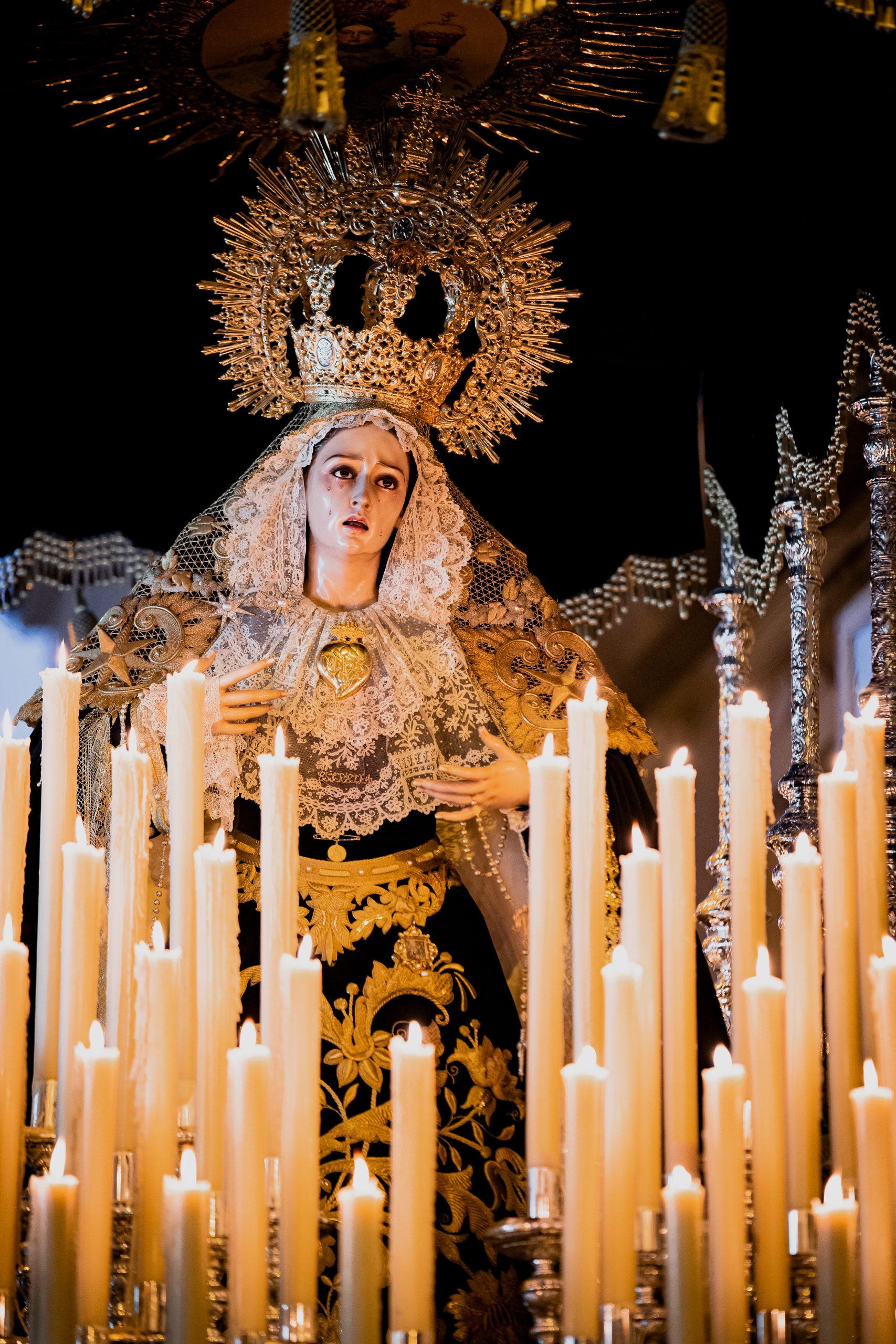
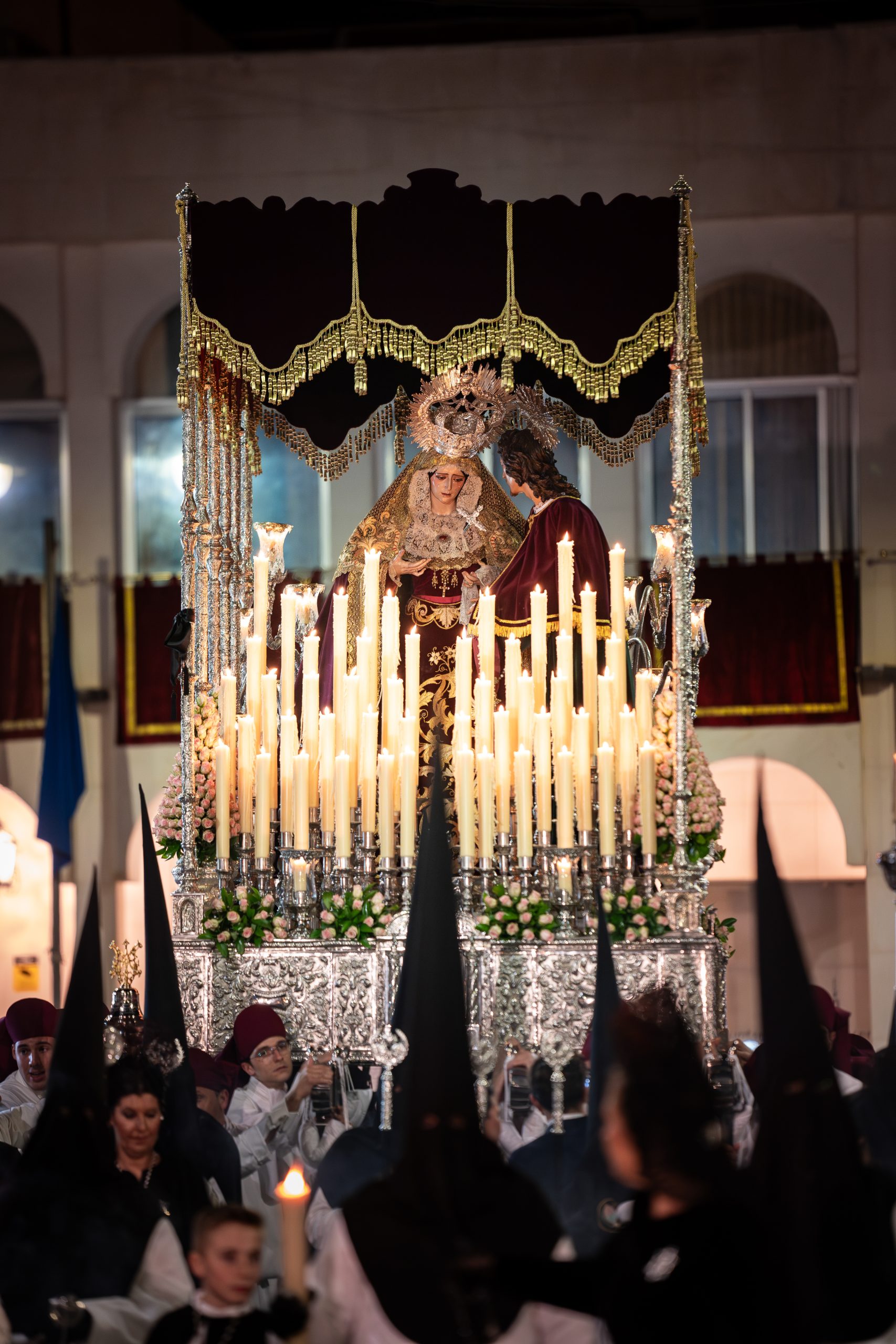
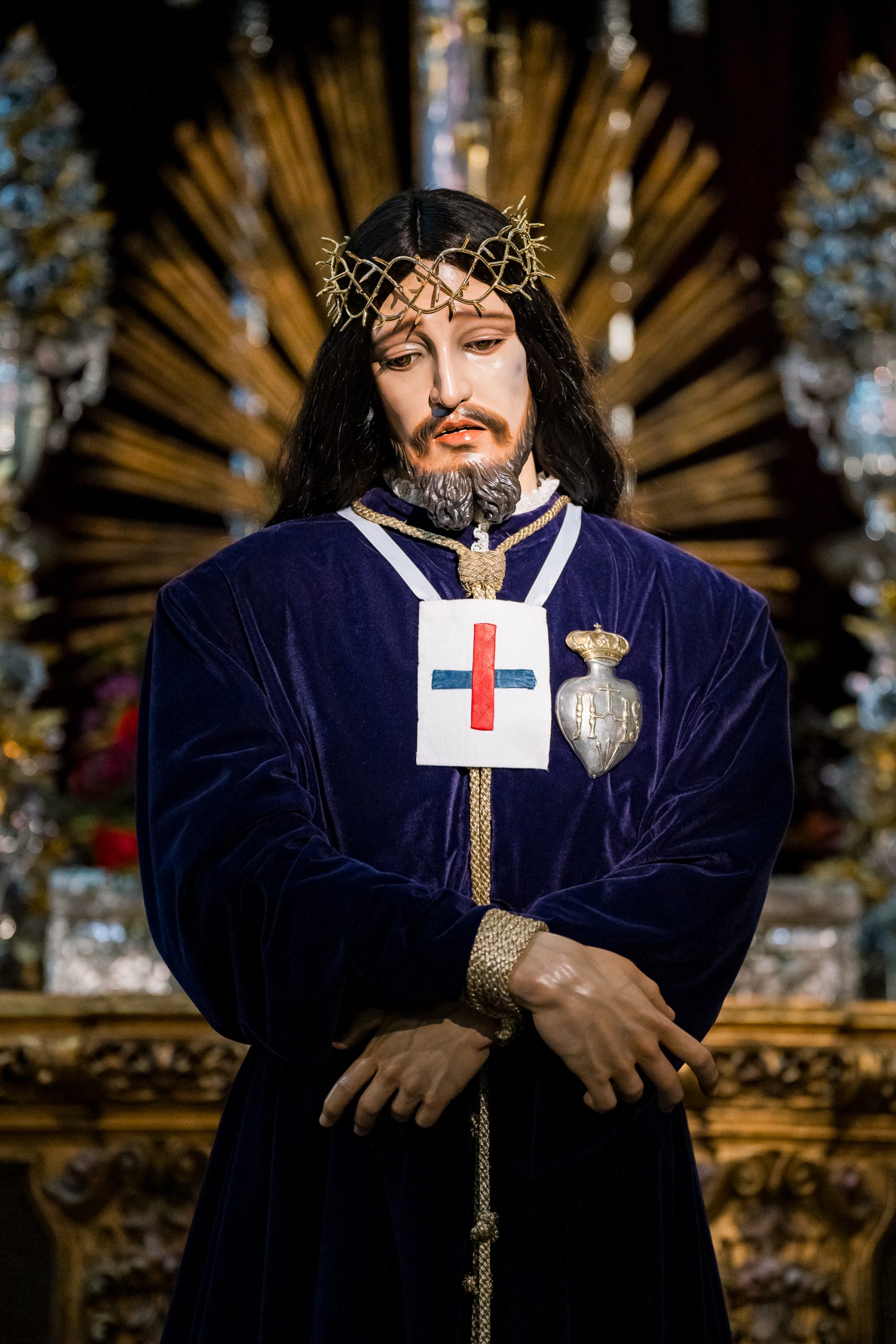
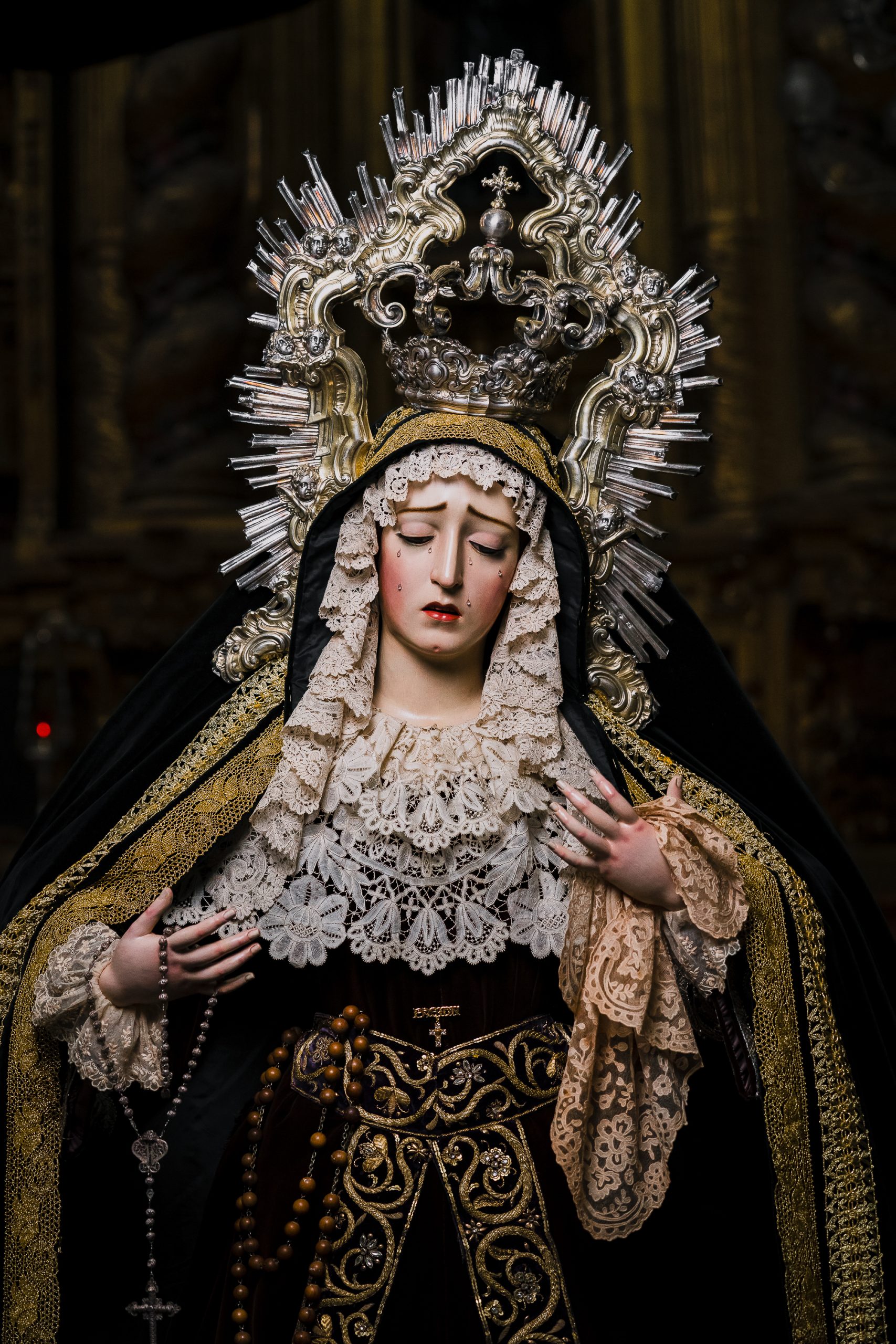
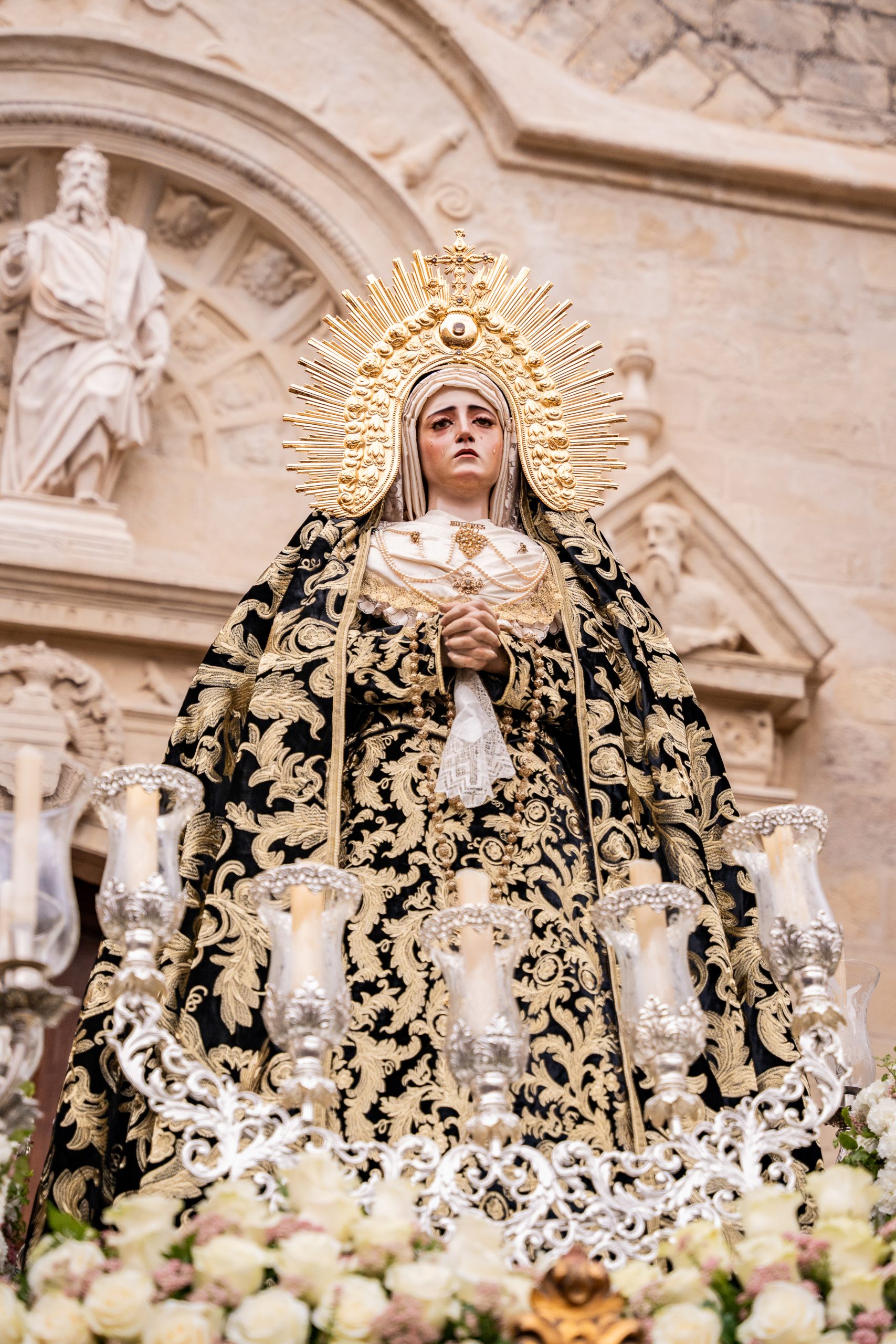
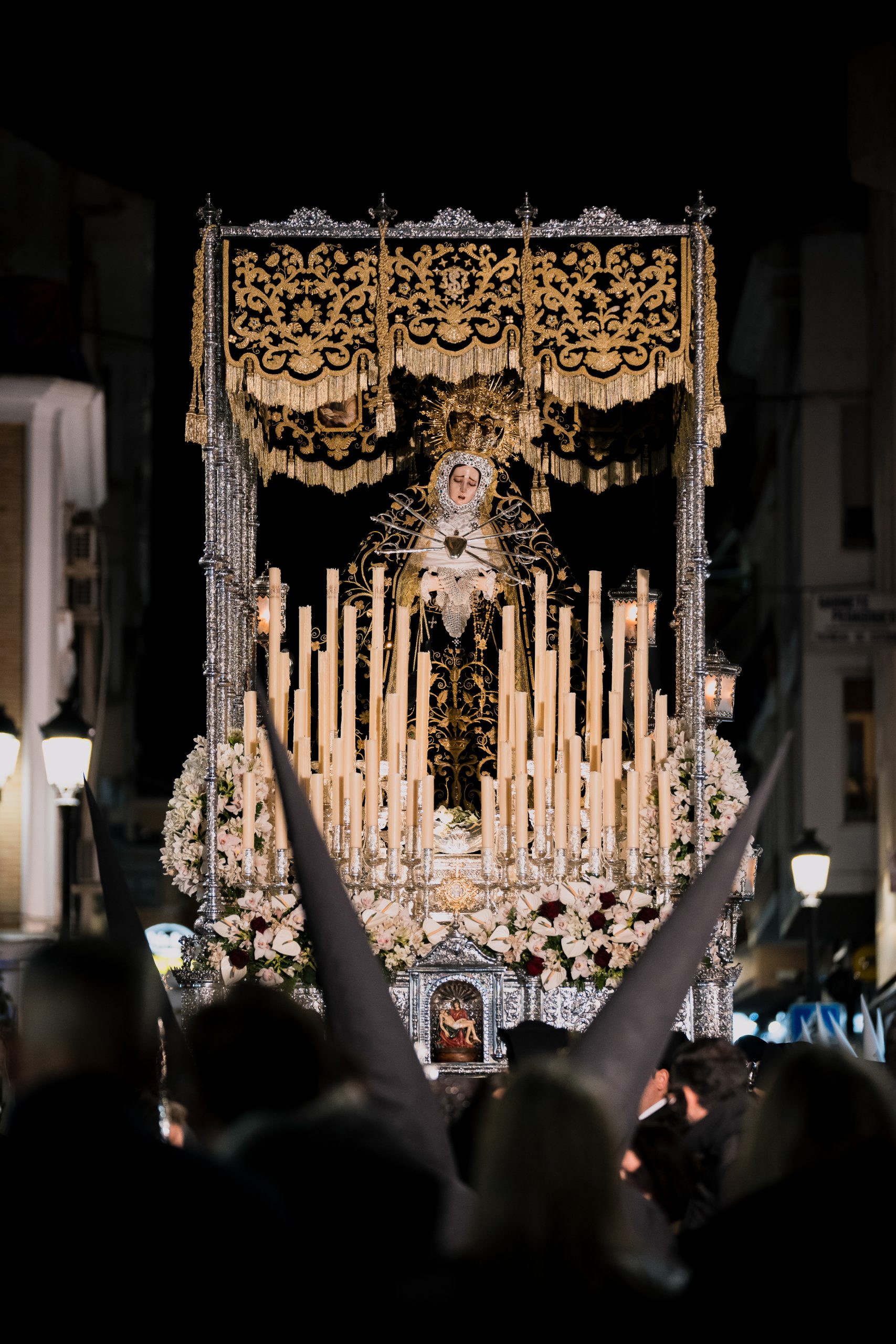
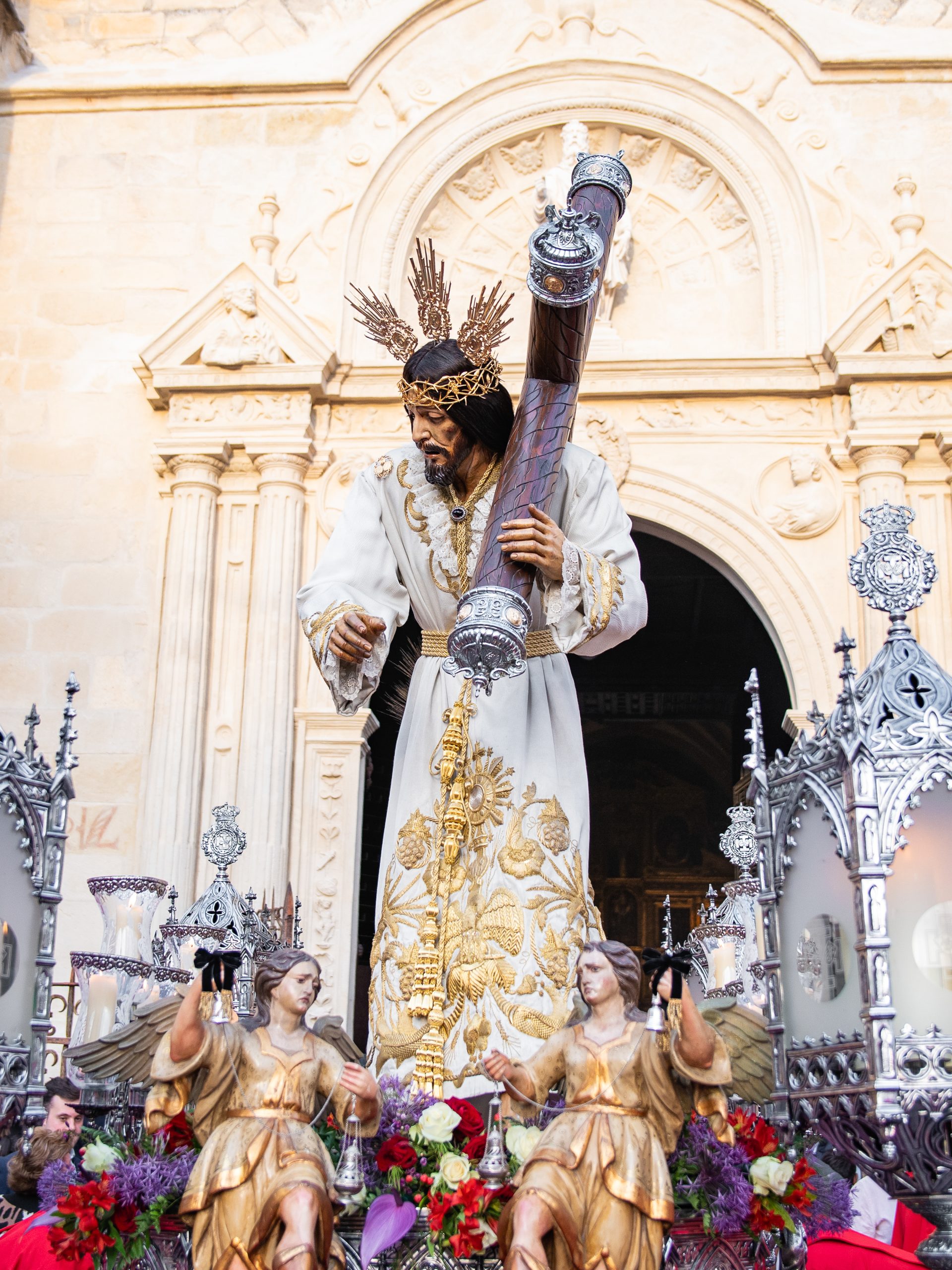
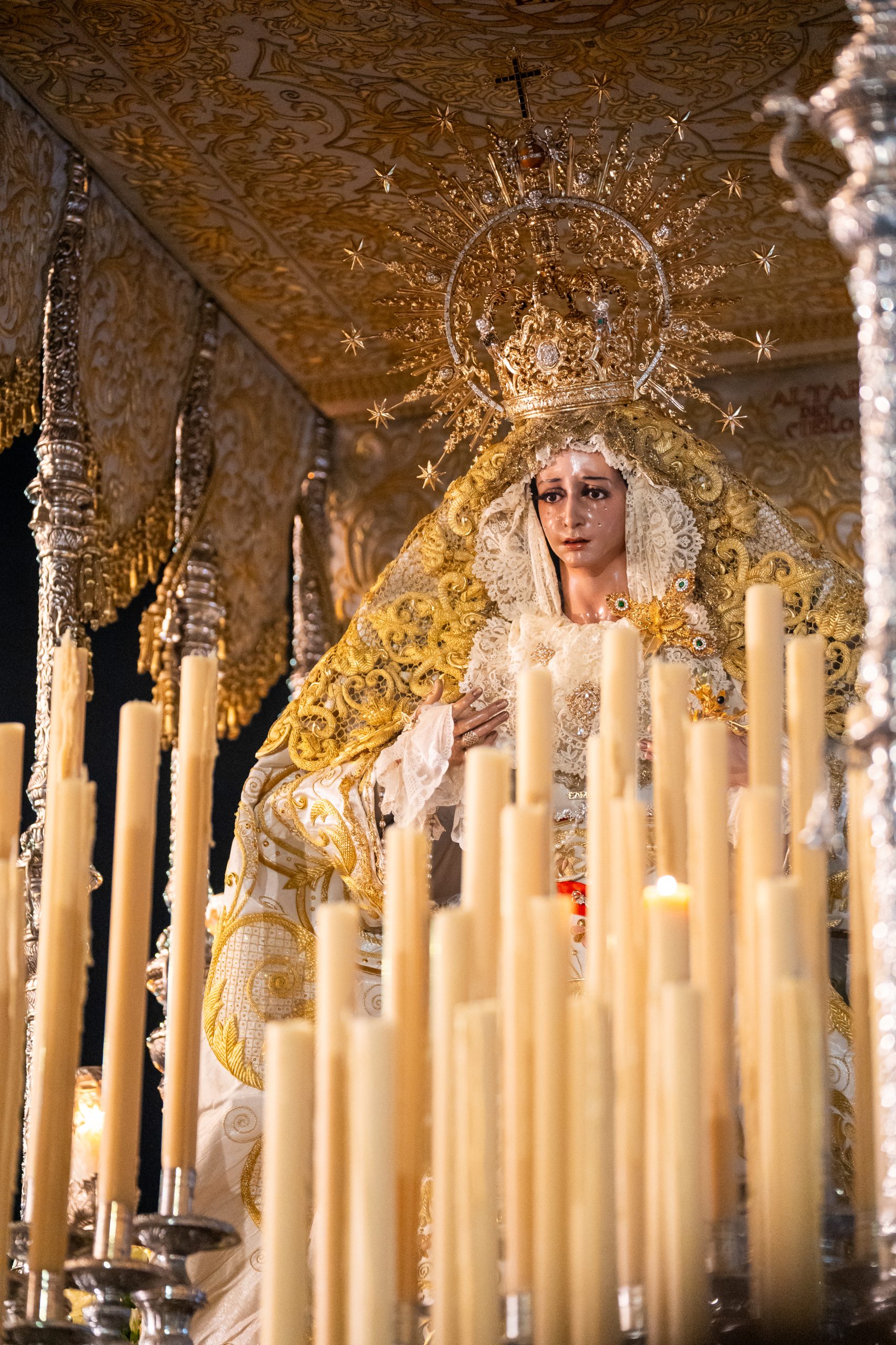
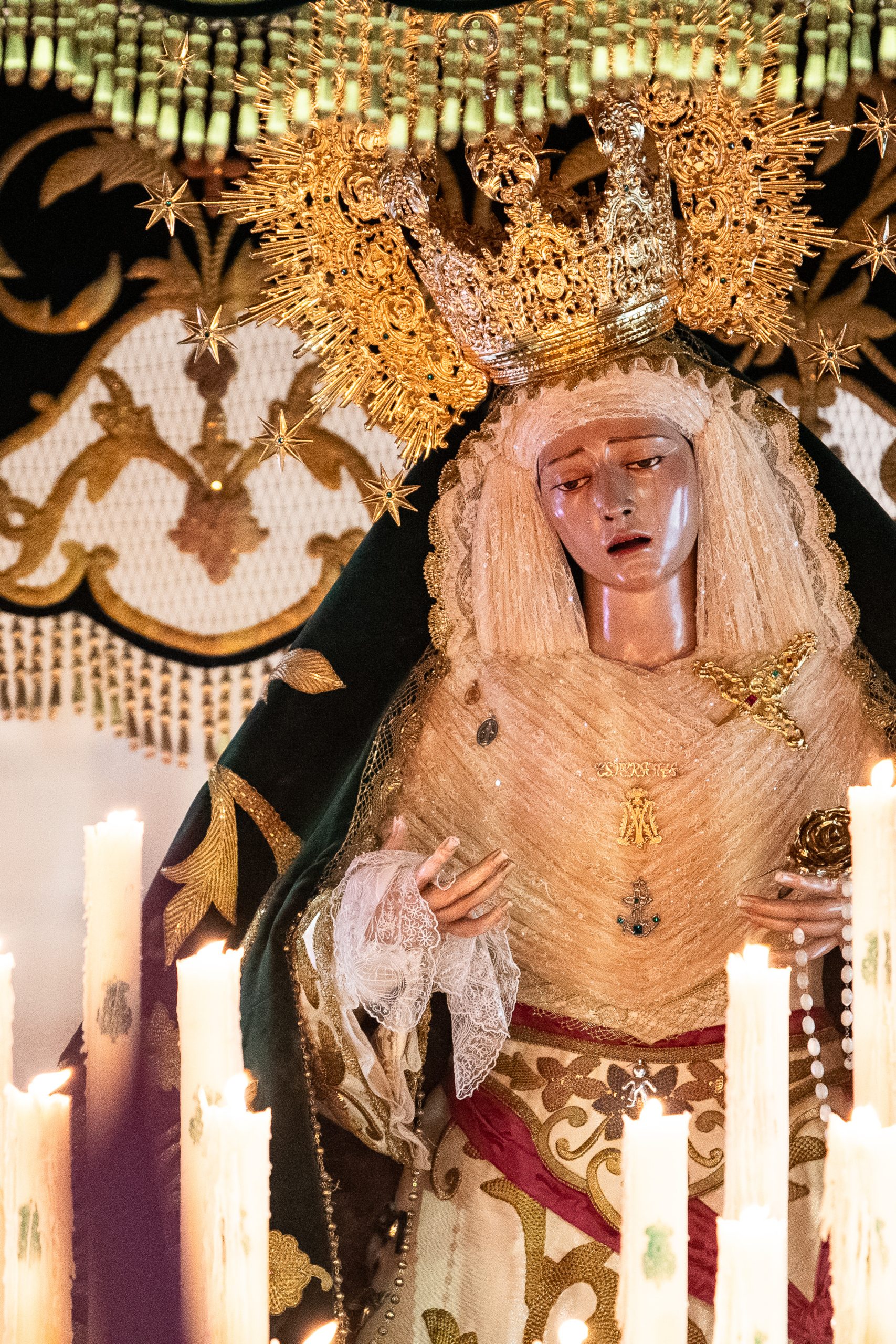
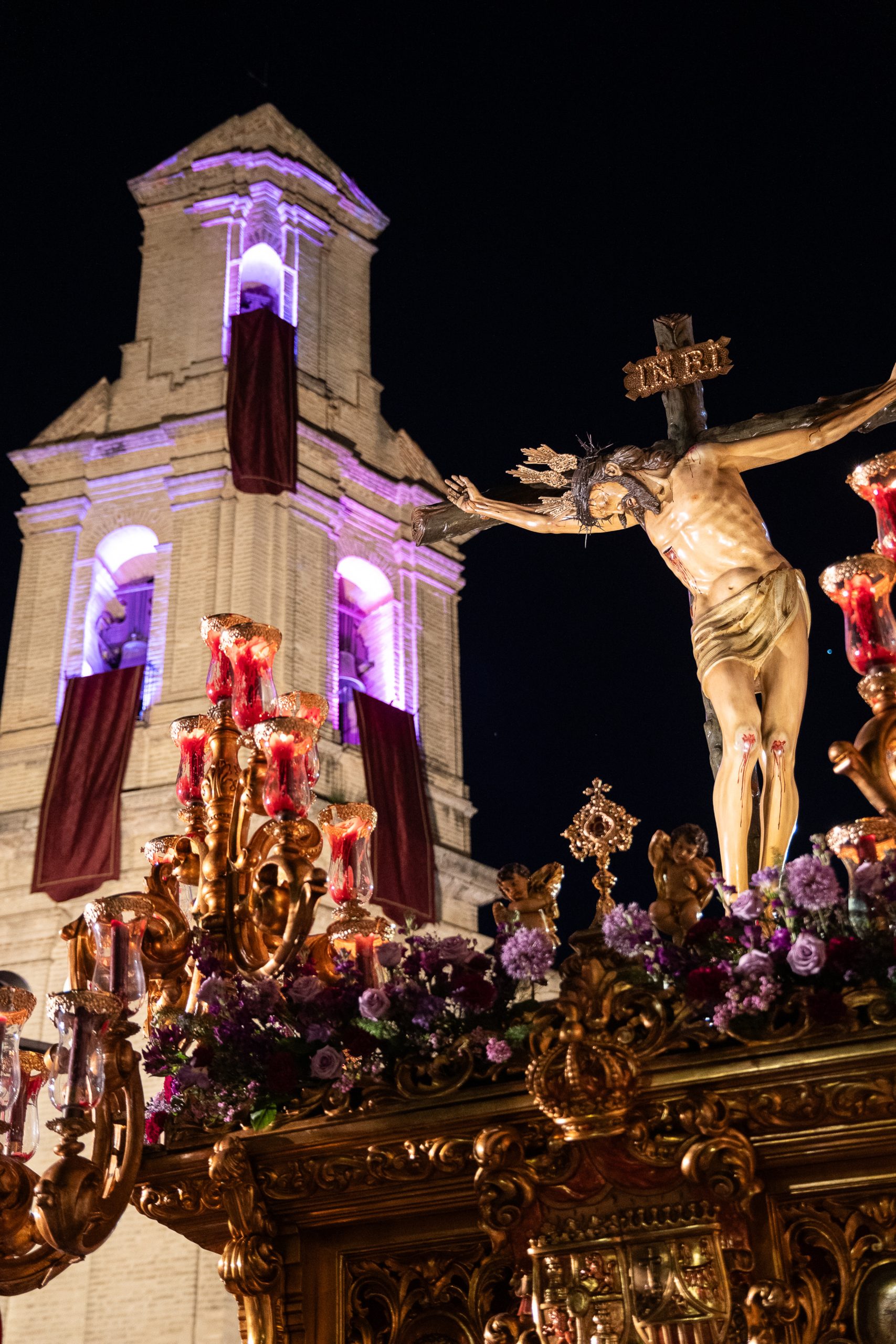
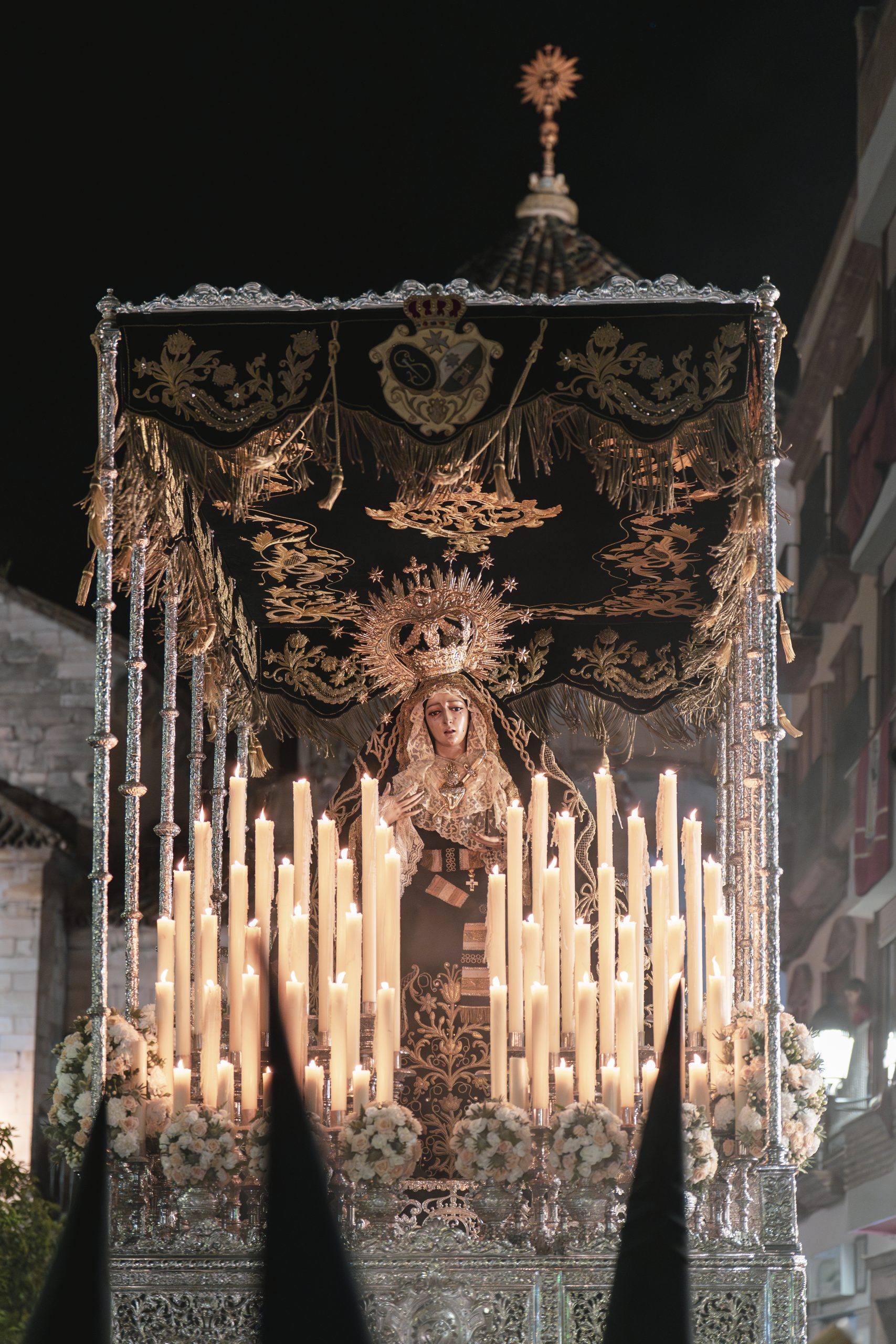
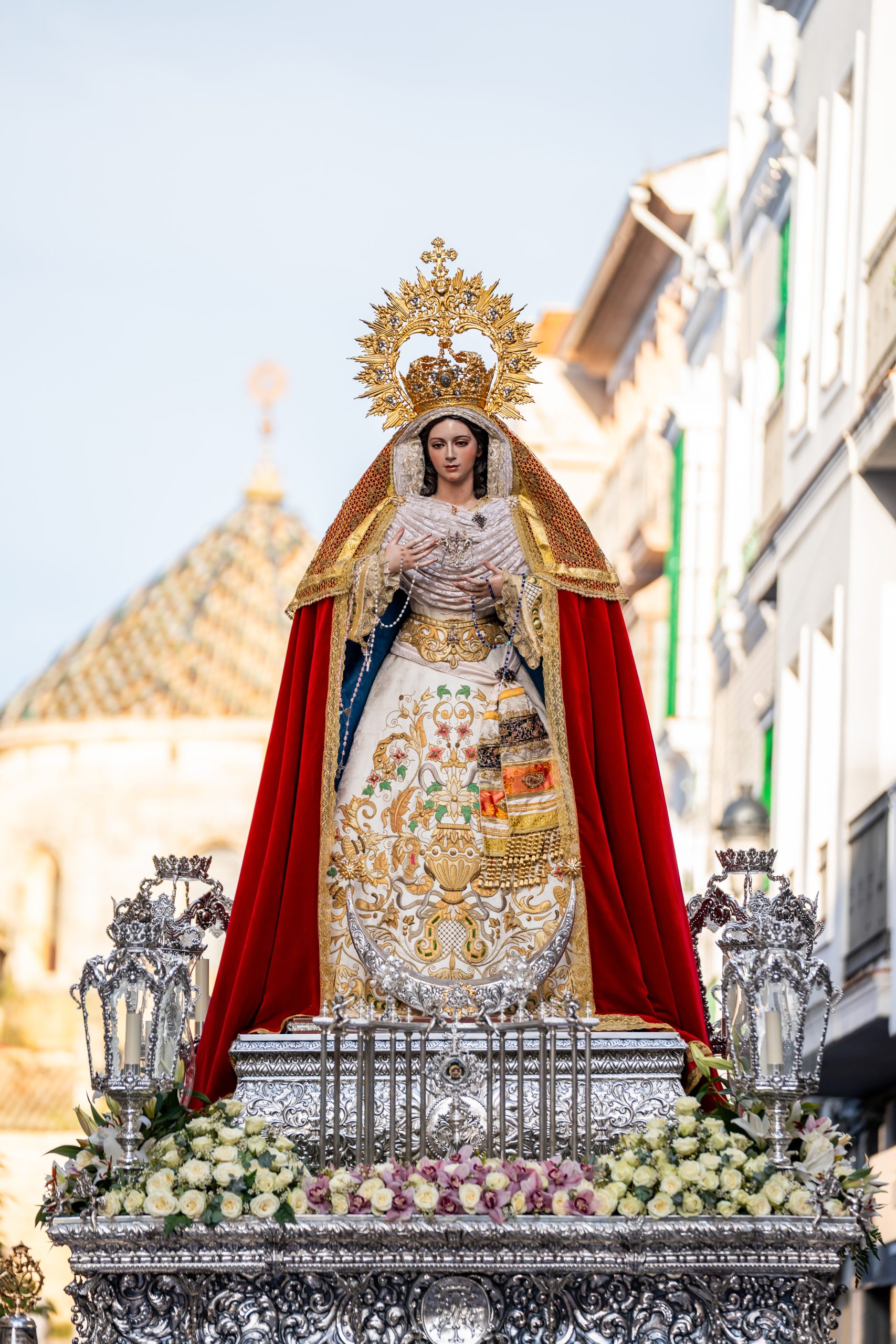
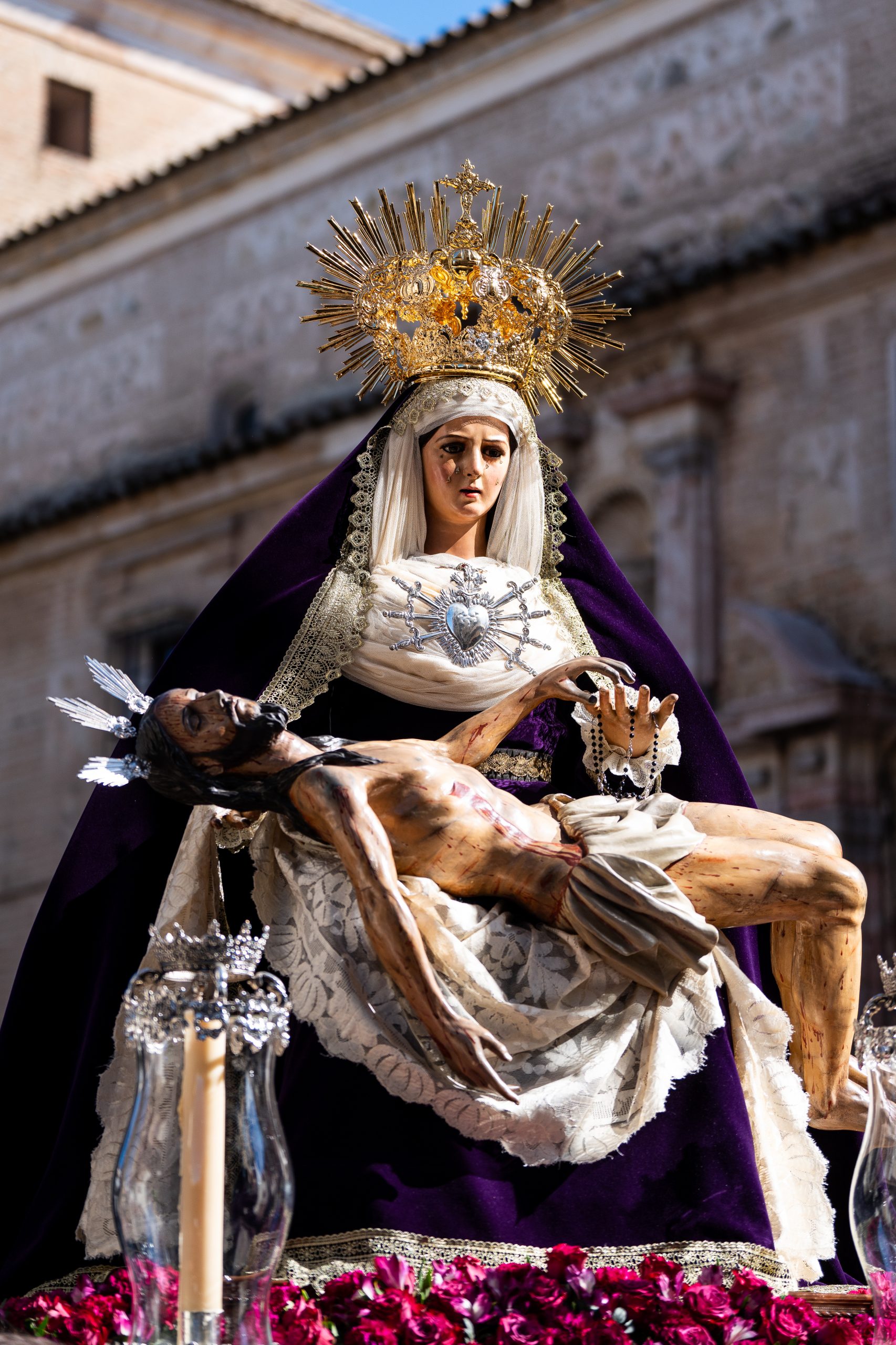
Lucena is home to one of the richest and most diverse collections of religious imagery in Andalusia. Over the course of more than five centuries, the town has assembled an extraordinary sculptural heritage that reflects the artistic, devotional, and cultural evolution of its Holy Week. From the sixteenth century to the present, great masters of the Andalusian Barroque and renowned contemporary religious sculptors (‘imagineros’) have left their mark on a legacy that today constitutes one of the town’s greatest heritage attractions. If the secondary figures are excluded, more than 45 religious images are carried in procession through the streets of Lucena during Holy Week and the Glory processions. It is worth noting that Our Father Jesus the Nazarene is probably the oldest dressed devotional image still carried in procession during Holy Week in Andalusia.
Lucena’s sculptural heritage has been shaped over the centuries through the work of numerous ‘imagineros’, from the masters of the Andalusian Baroque to contemporary sculptors. Among the masters of the 17th and 18th centuries are figures such as Pedro Roldán Onieva, Pedro de Mena Medrano, Alonso Cano, Francisco Salzillo, Diego de Ramos and Blas Molner, together with works attributed to Luisa Roldán “La Roldana” as well as sculptures associated with the Granada School of the circle of Diego de Mora. The town’s historic heritage also includes a number of anonymous carvings dating from the 16th to the 19th centuries.
They are joined by sculptors active during the 18th and 19th centuries, including Diego Márquez Vega, Luis Tibao, Miguel Verdiguier, Andrés Cordón, Pedro Muñoz de Toro, Felipe González and José de Medina, who created some of the most significant works in this remarkable collection. In the 20th century, Lucena’s religious imagery was further enriched by works form artists such as Antonio Castillo Lastrucci, Juan Martínez Cerrillo, Luis Álvarez Duarte y Miguel Ángel González Jurado, together with sculptures produced by the Talleres de Olot. In recent decades, this heritage has been further enriched with new devotional images created by contemporary ‘imagineros’ such as Francisco Romero Zafra, Manuel Luque Bonillo, Juan Manuel Miñarro and Ventura Gómez, together with the Lucena-born sculptors Francisco Javier López del Espino and Daniel Henares Paredes, who continue to enhace this remarkable artistic legacy.
In addition to the images carried in procession each year during Holy Week and the Glory celebrations, numerous other carved devotional images are preserved in Lucena’s churches without taking part in processional parades.They nevertheless form an integral part of the town’s rich devotional and artistic heritage and can be admired throughout the year in its parish churches, chapels, hermitages, and convents.
XVIXVIIThe 16th and 17th centuries: The Origins of Lucena’s Religious Imagery
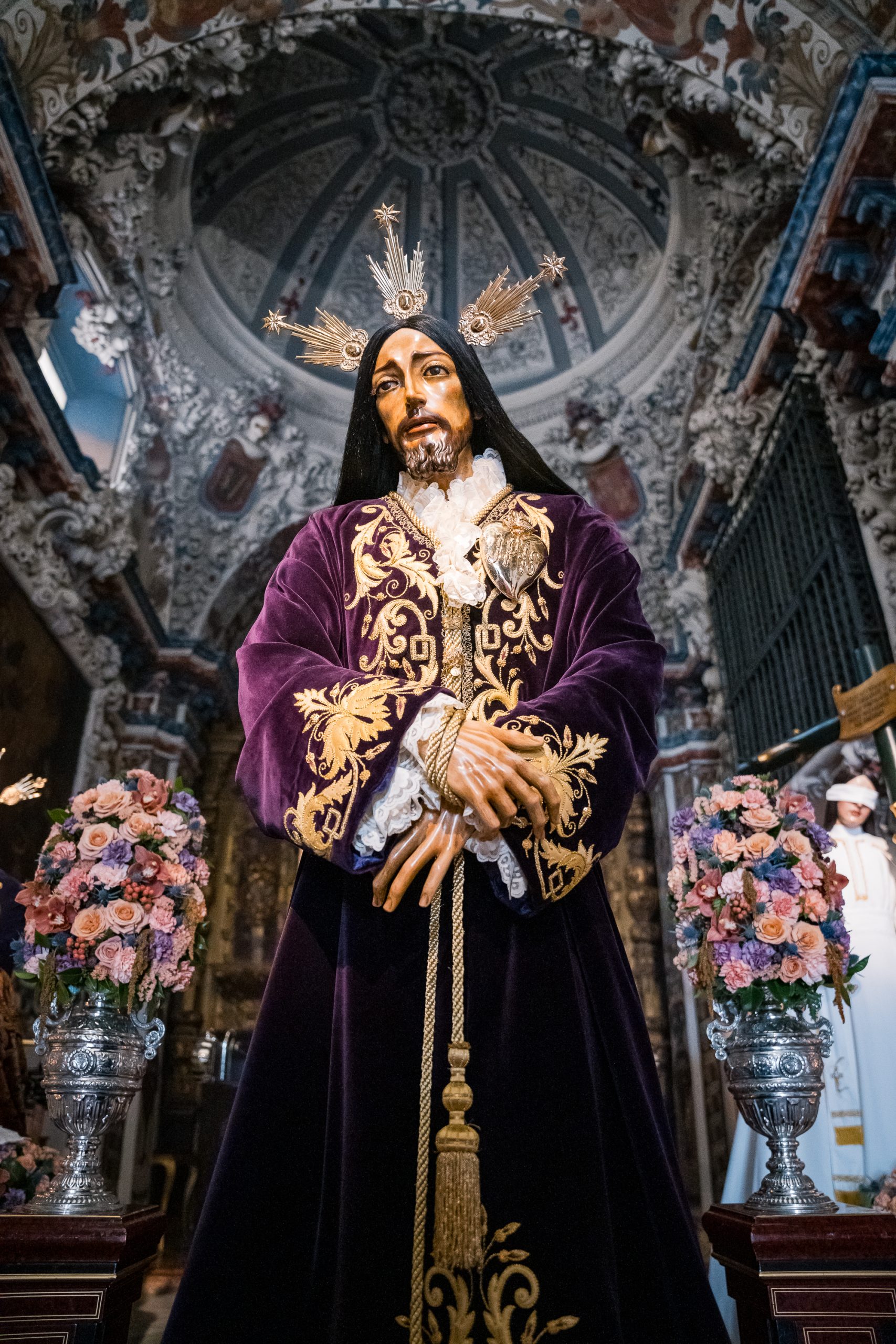
Religious imagery in Lucena begins in the 26th century, led by the image of Our Father Jesus the Nazarene (Nuestro Padre Jesús Nazareno), an anonymous work dating from the mid-16th century. It is one of the town’s most deeply venerated devotional images and a central reference point of its confraternal tradition, and is probably the oldest dressed devotional image still carried in procession during Holy Week in Andalusia. Also dating from this period is the Most Holy Christ of the Blood (Santísimo Cristo de la Sangre), anonymous 16th-century colonial work made of plant-based paste by Indigenous artisans in New Spain (present-day Mexico). Also of particular note is Our Lady of Sorrows of St. Dominic of Guzmán (Nuestra Señora de las Angustias de Santo Domingo de Guzmán) —comprising a figure of the Virgin attributed to Luisa Roldán “La Roldana”, and an anonymous 16th-century carving of Christ—.
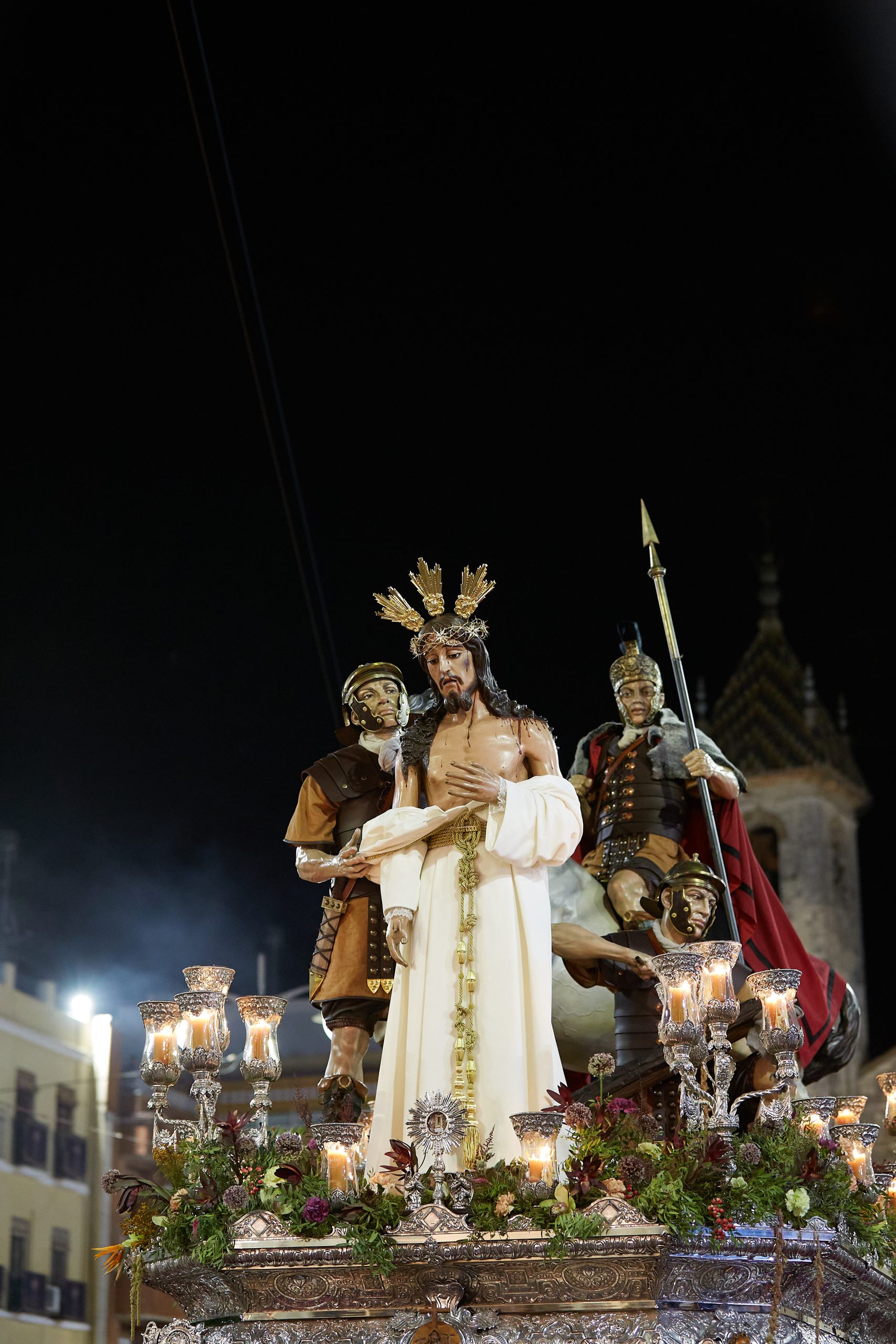
During the 17th century their artistic development of Lucena’s religious imagery became firmly established through works associated with the Granada School and the Andalusian Baroque. Among the works dating from this period is Our Father Jesus at the Column (Nuestro Padre Jesús de la Columna), created by Pedro Roldán Onieva in 1675. The image is now accompanied by figures of a Roman soldier and an executioner, carved by Juan Manuel Miñarro in 2003.
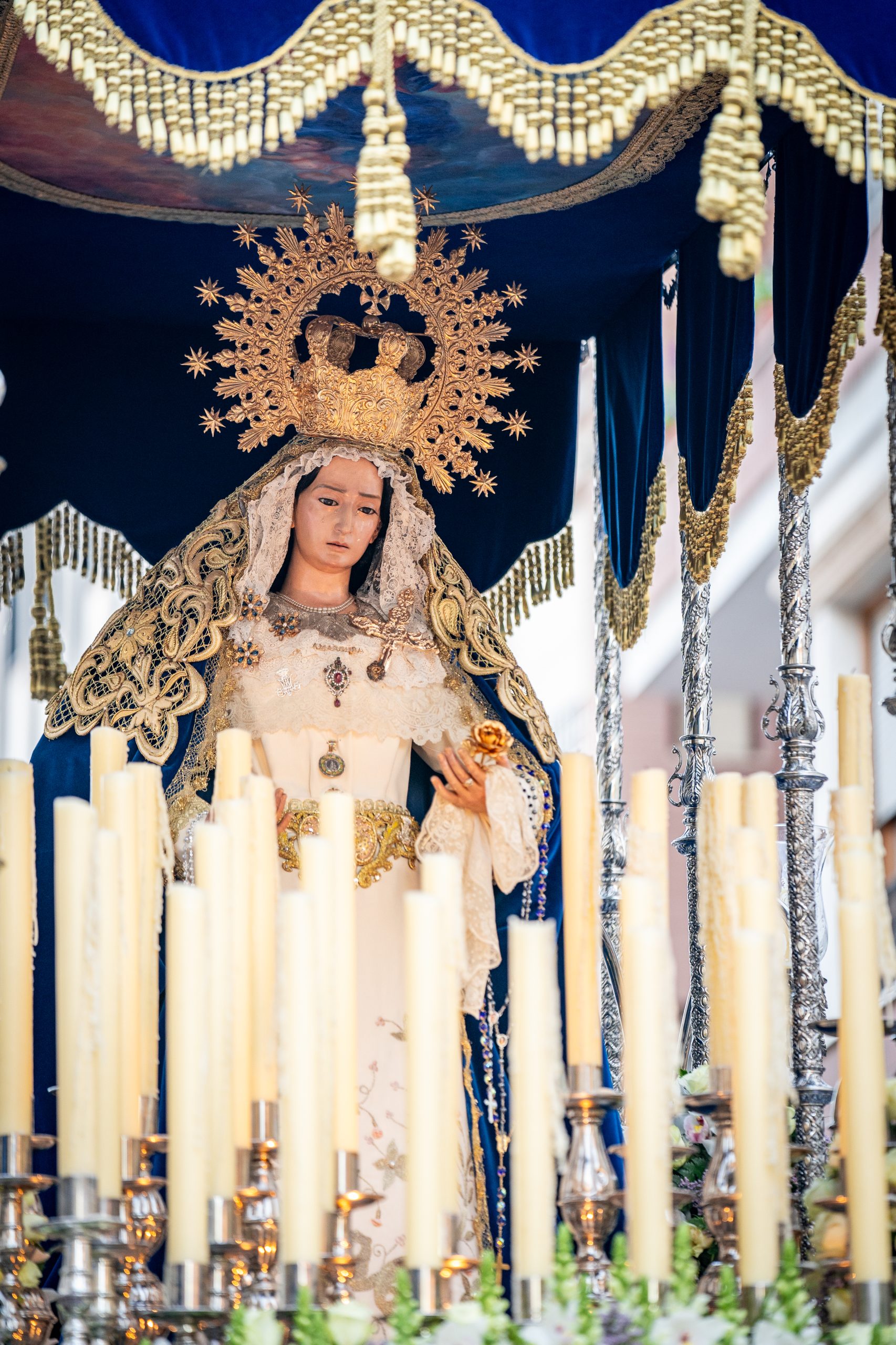
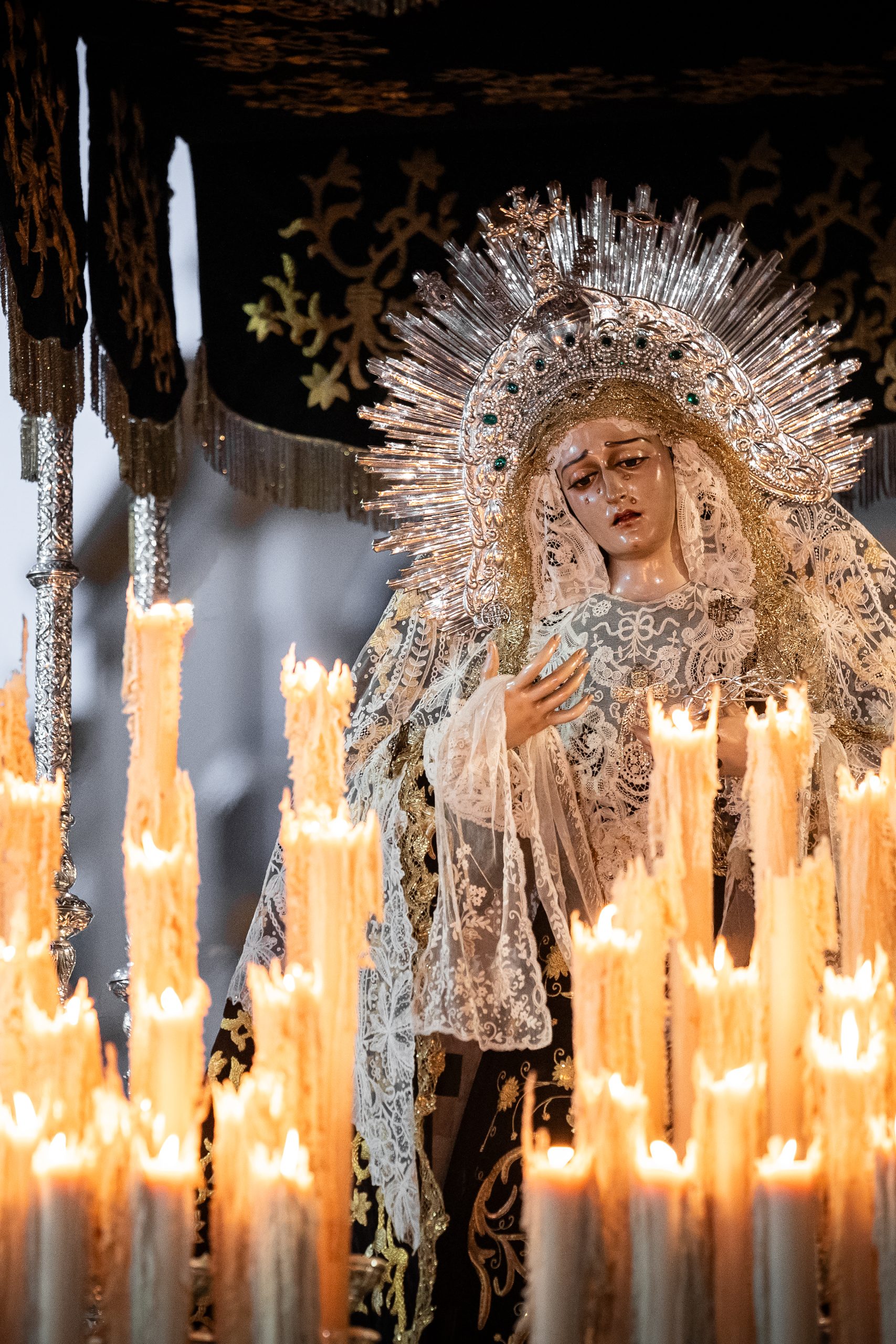
Also dating from this century are Our Father Jesus the Prisoner (Nuestro Padre Jesús Preso), Our Father Jesus Fallen (Nuestro Padre Jesús Caído), Mary Most Holy of Sorrow (María Santísima de la Amargura) and the Most Holy Christ of Health and Mercy (Santísimo Cristo de la Salud y Misericordia), all associated with the Granada School. Also belonging to this artistic milieu are Our Father Jesus of Humility (Nuestro Padre Jesús de la Humildad) and Mary Most Holy of Sorrows (María Santísima de los Dolores), both attributed to Pedro de Mena Medrano and his circle, together with Our Father Jesus at the Washing of the Feet (Nuestro Padre Jesús en el Sagrado Lavatorio), also attributed to this 17th-century ‘imaginero’.
Special mention should be made of the Most Holy Christ of Love (Santísimo Cristo del Amor), whose head is attributed to Alonso Cano and dates from the late 17th century, while the body was carved by Luis Tibao and Andrés Cordón in 1808.
The 18th Century: The Flourishing Baroque
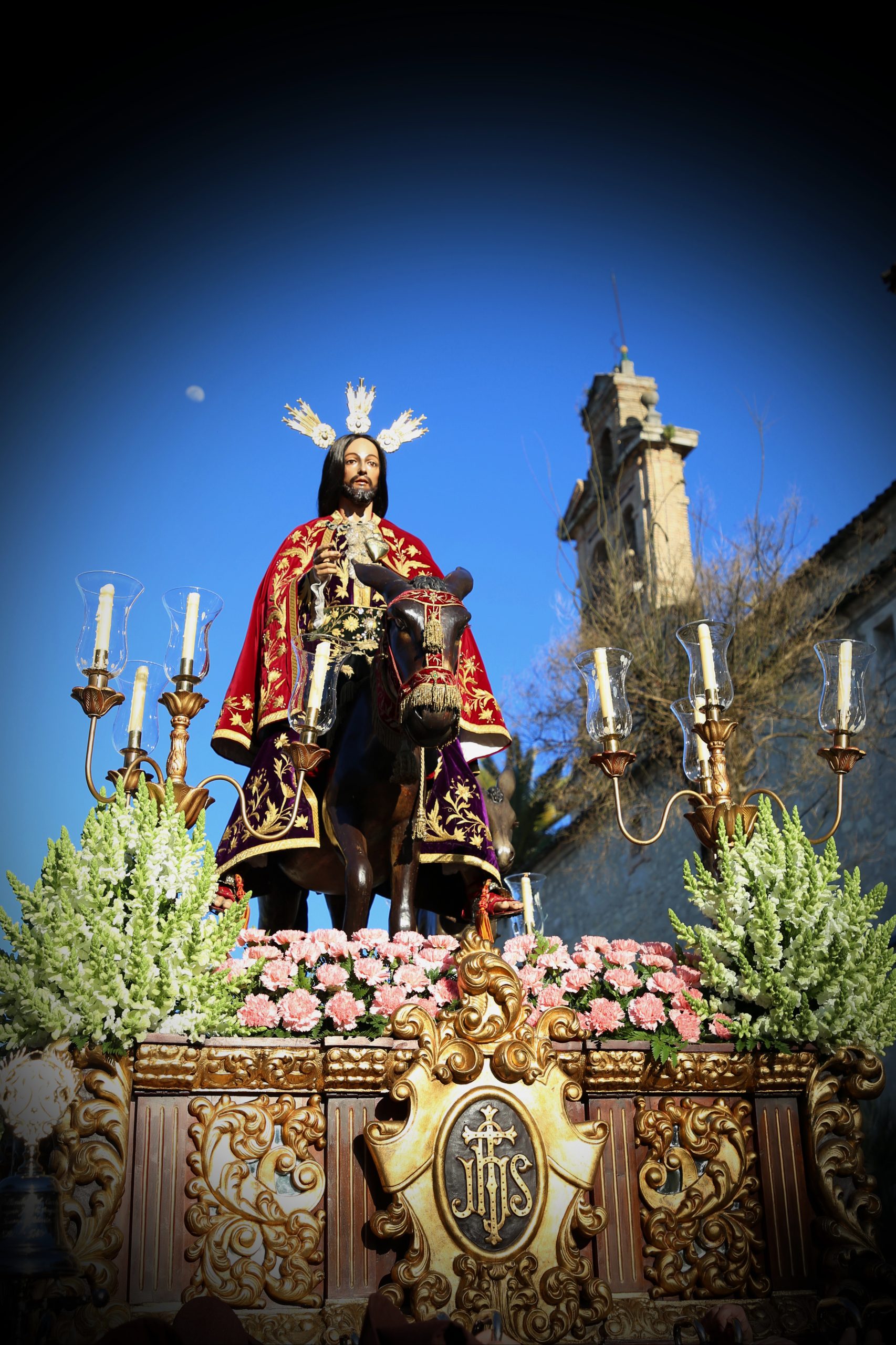
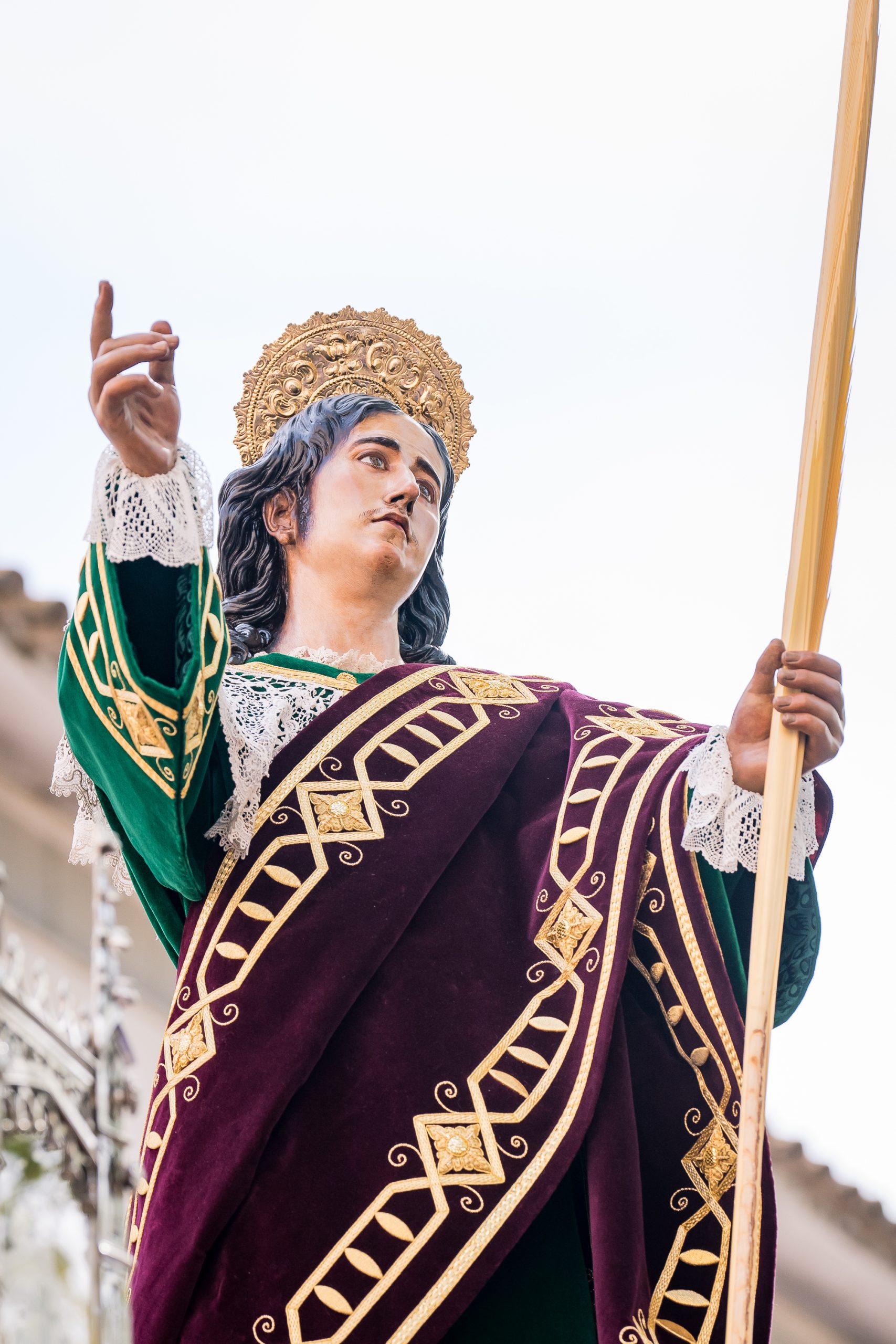
The 18th century further enriched Lucena’s sculptural heritage with new devotional images and works of outstanding artistic value. Among these are Our Father Jesus Captive of Medinaceli (Nuestro Padre Jesús Cautivo de Medinaceli), created by Diego de Ramos in 1713, and Mary Most Holy of Passion and Souls (María Santísima de Pasión y Ánimas), an anonymous carving dating from the early 18th century. Also dating from this period is St. John the Evangelist (San Juan Evangelista), a work by the sculptor from Murcia Francisco Salzillo. From 1769 is Our Father Jesus at His Entry into Jerusalem (Nuestro Padre Jesús en su Entrada a Jerusalén), created by Diego Márquez Vega, and accompanied by the figures of the donkey and the colt, carved by Luis Tibao in 1779. Among the Marian images, special mention should be made of Our Lady of Sorrows Servite (Nuestra Señora de los Dolores Servitas), attributed to Blas Molner in 1786.
Also dating from this period is the Holy Burial of Our Lord Jesus (Santo Entierro de Nuestro Señor Jesucristo), a work attributed to Miguel Verdiguier. The early 19th century also saw the creation of Our Lady of Sorrows (Nuestra Señora de las Angustias), popularly known as the Virgen de Piedra (Stone Virgin), carved by Blas Molner in 1800.
The 19th century: Artistic Development and Local Production
The 19th century saw the addition of important new works to Lucena’s sculptural heritage. Particularly noteworthy is the work of the sculptor Pedro Muñoz de Toro, who created the Most Hoy Christ of Humiliation (Santísimo Cristo de la Humillación) and the Christ of the Crucifixion (Cristo de la Crucifixión), both dating from the 19th century. The first scene is now completed by two Roman soldiers, carved by Ventura Gómez in the late 20th century, while the Crucifixion group has recently been enriched by the addition of two Roman soldiers and an equestrian figure of a centurion, carved by the Lucena-born ‘imaginero’ Francisco Javier López del Espino in 2024. Also dating from this century is Our Father Jesus of the Valley (Nuestro Padre Jesús del Valle), a work of the Granada School, which is now carried in procession accompanied by the figure of Simon of Cyrene , created by the Lucena-born sculptor Daniel Henares in 2025.
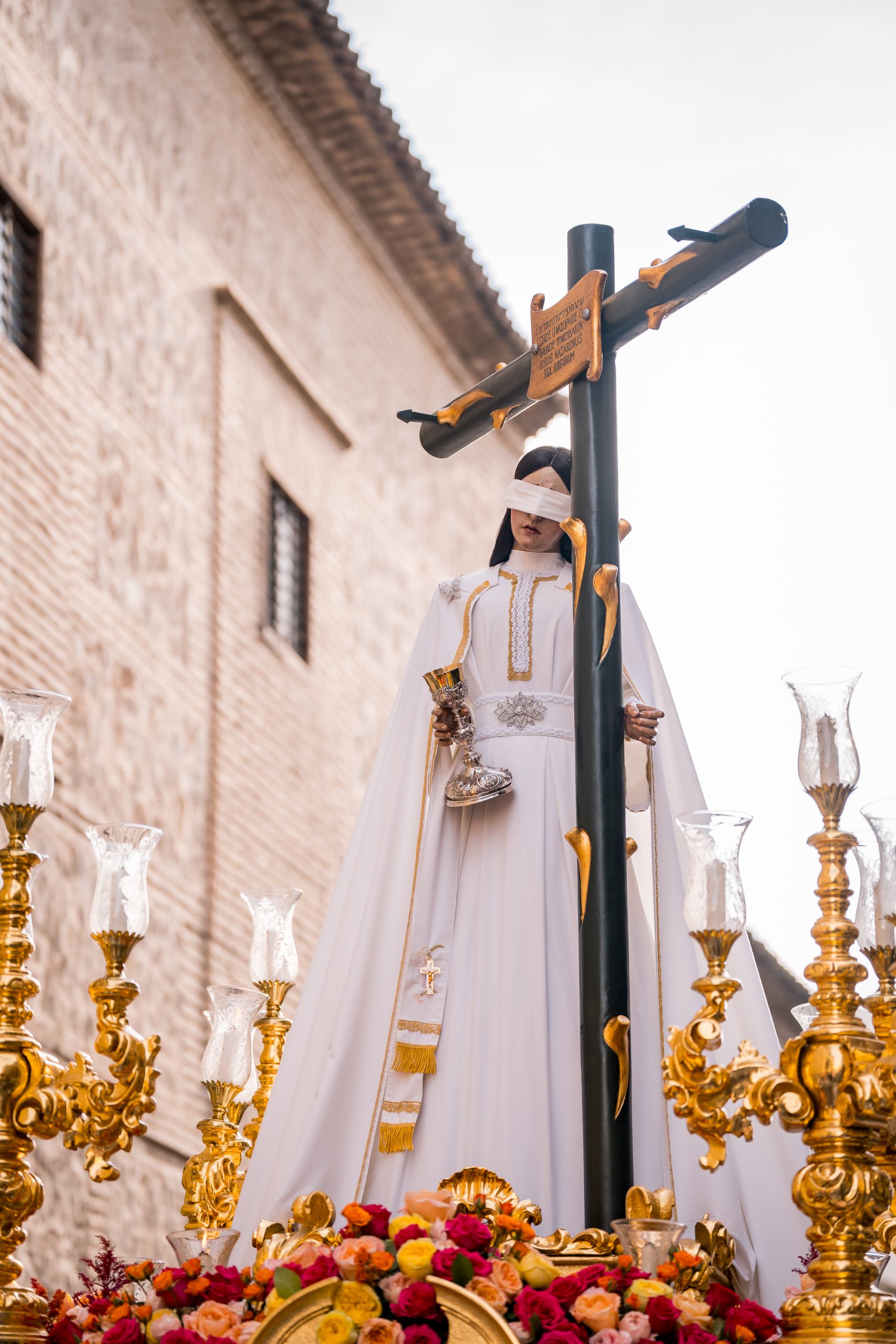
Another notable work from this period is the Allegory of the Holy Faith, by Andrés Cordón, probably one of the very few sculptural representation of this subject in Spain.
The 20th century: The Neo-Baroque Revival
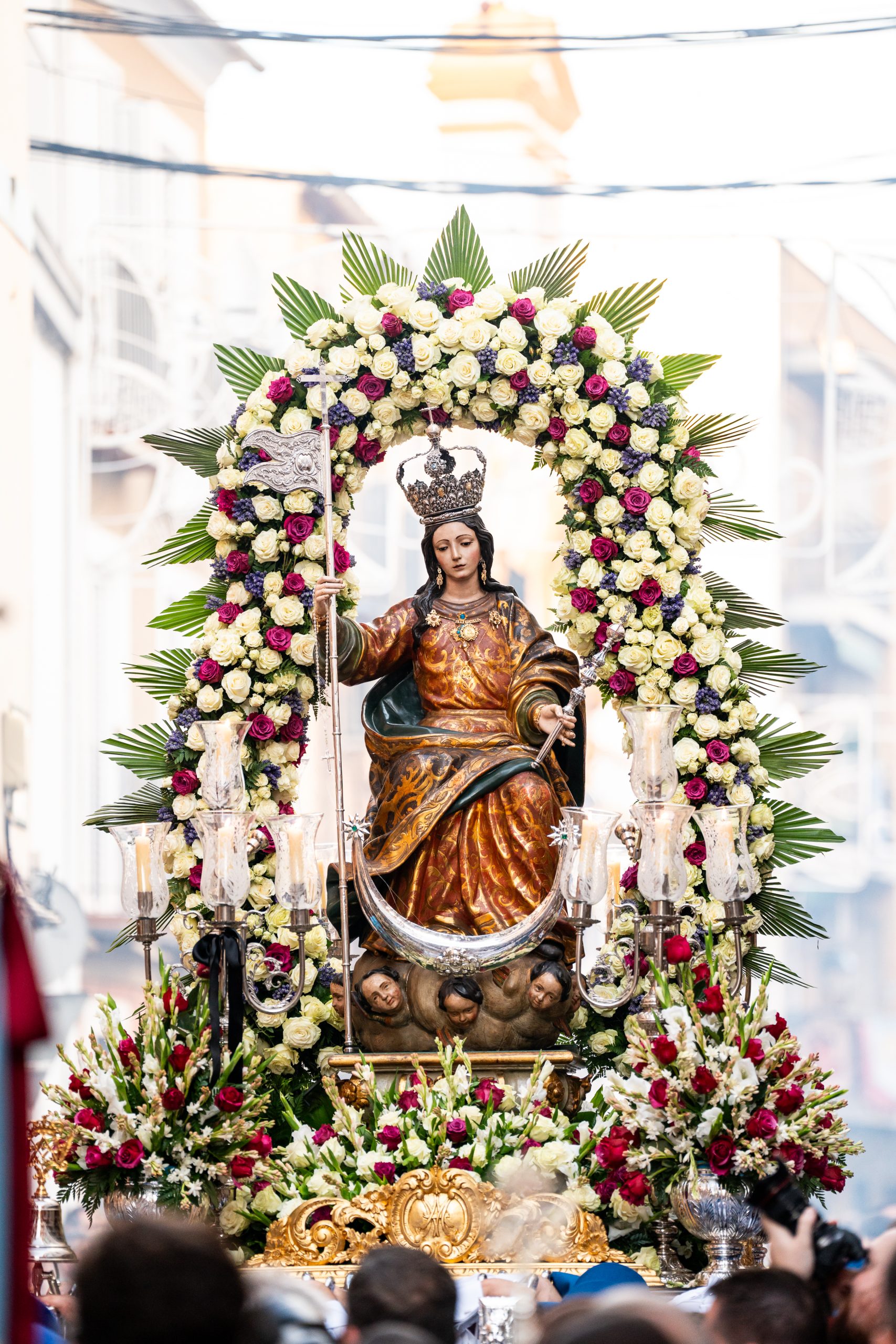
The 20th century brought new additions to the city’s sculptural heritage, many of them associated with the revival of the Andalusian Neo-Baroque style. Among them is Our Father Jesus on His Triumphal Entry into Jerusalem (Nuestro Padre Jesús en su Entrada Triunfal en Jerusalén), coming from the Talleres de Olot and created in 1928. Among the Marian images, special mention should be made of Mary Most Holy of Greatest Sorrow (María Santísima del Mayor Dolor), created by Antonio Castillo Lastrucci in 1959, and Mary Most Holy of Peace (María Santísima de la Paz) affectionately known as “Campanitas”, carved by Juan Martínez Cerrillo in 1983.
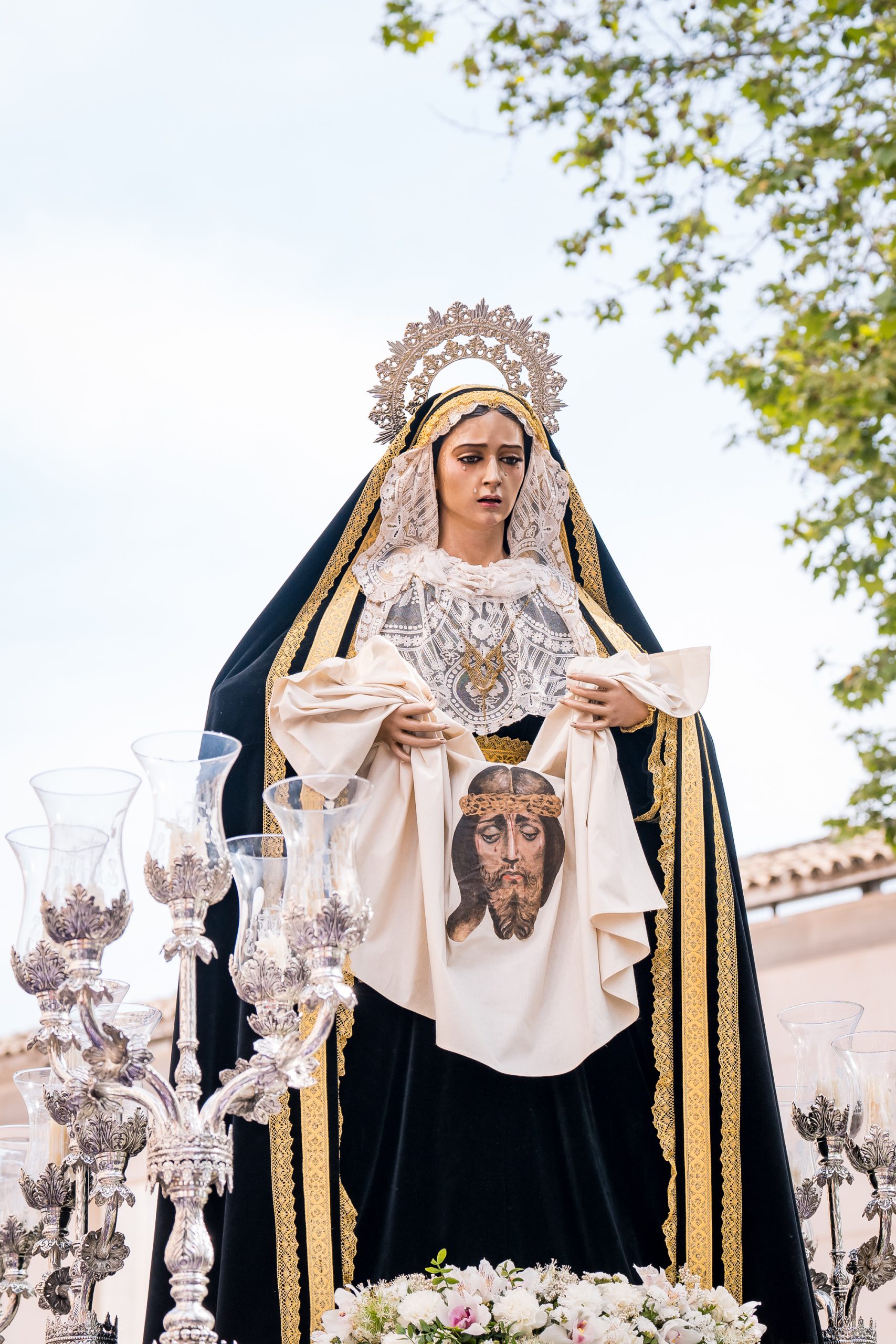
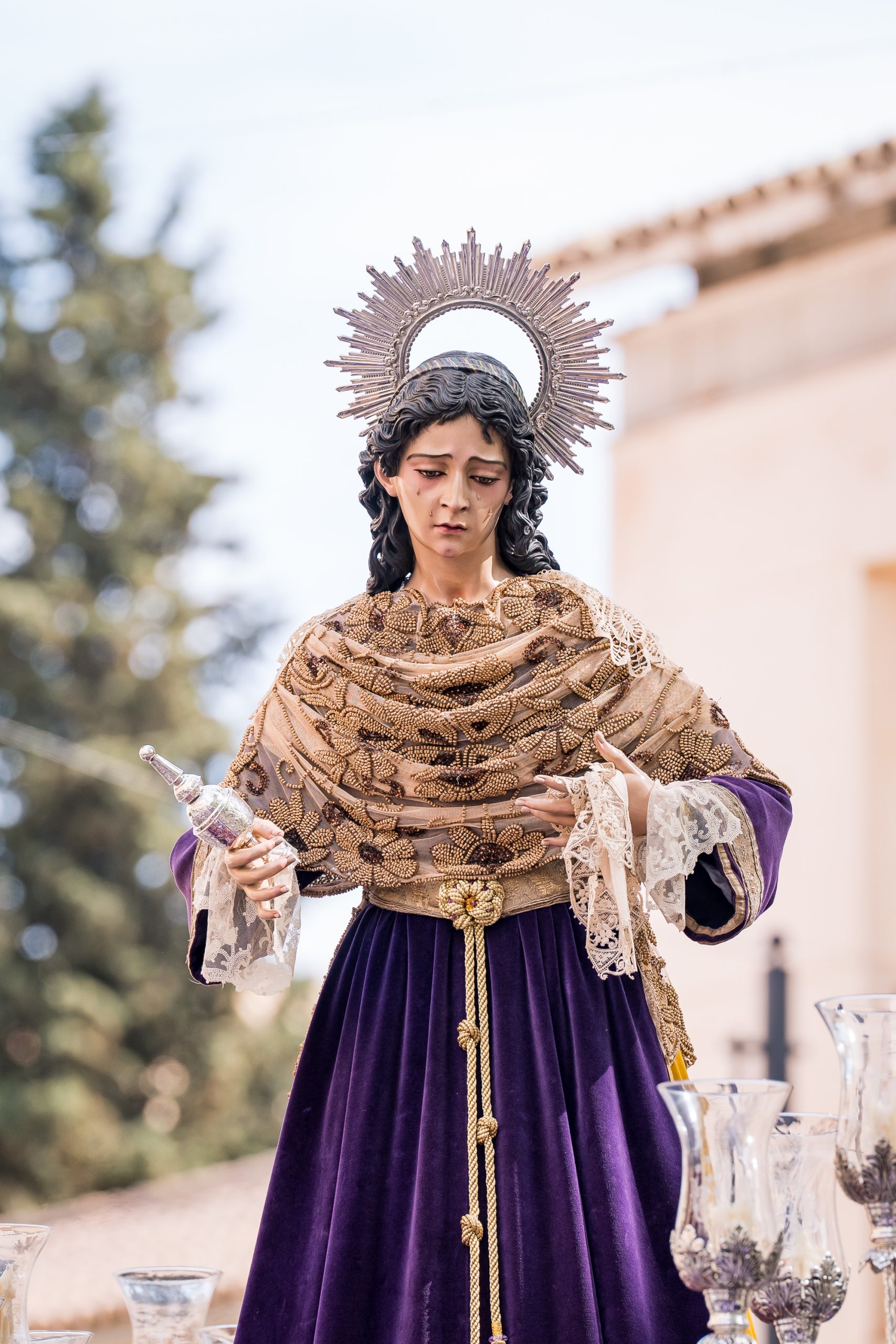
Also dating from this period are several images by the ‘imaginero’ Luis Álvarez Duarte, including Our Lady of Solitude (Nuestra Señora de la Soledad, 1988), Our Lady of Succour (Nuestra Señora del Socorro, 1995), Saint Veronica (Santa Mujer Verónica, 1995), Saint Mary Magdalene (Santa María Magdalena, 1996) and Mary Most Holy of the Star (María Santísima de la Estrella, 2000). The late 20th centrury also saw the creation of Mary Most Holy of Peace and Hope (María Santísima de la Paz y Esperanza), by Miguel Ángel González Jurado in 1992.
In the final decades of the 20th century, Lucena’s religious imagery continued to evolve through the addition of new contemporary works. Among these are Our Father Jesus of Goodness (Nuestro Padre Jesús de la Bondad), created by Francisco Romero Zafra in 1995, and Our Father Jesus in His Agony Praying in the Garden (Nuestro Padre Jesús de la Agonía Orando en el Huerto), carved by Manuel Luque Bonillo in 1996. The latter was subsequently complemented by an angel, also carved by Luque Bonillo in 1997, and three Apostles, created also by Luque Bonillo in 2015. Also by this sculptor are Mary Most Holy of Divine Consolation (María Santísima del Divino Consuelo) and Saint John the Evangelist (San Juan Evangelista), both created by Francisco Romero Zafra in 1997.
The 21th Century: Contemporary Religious Imagery
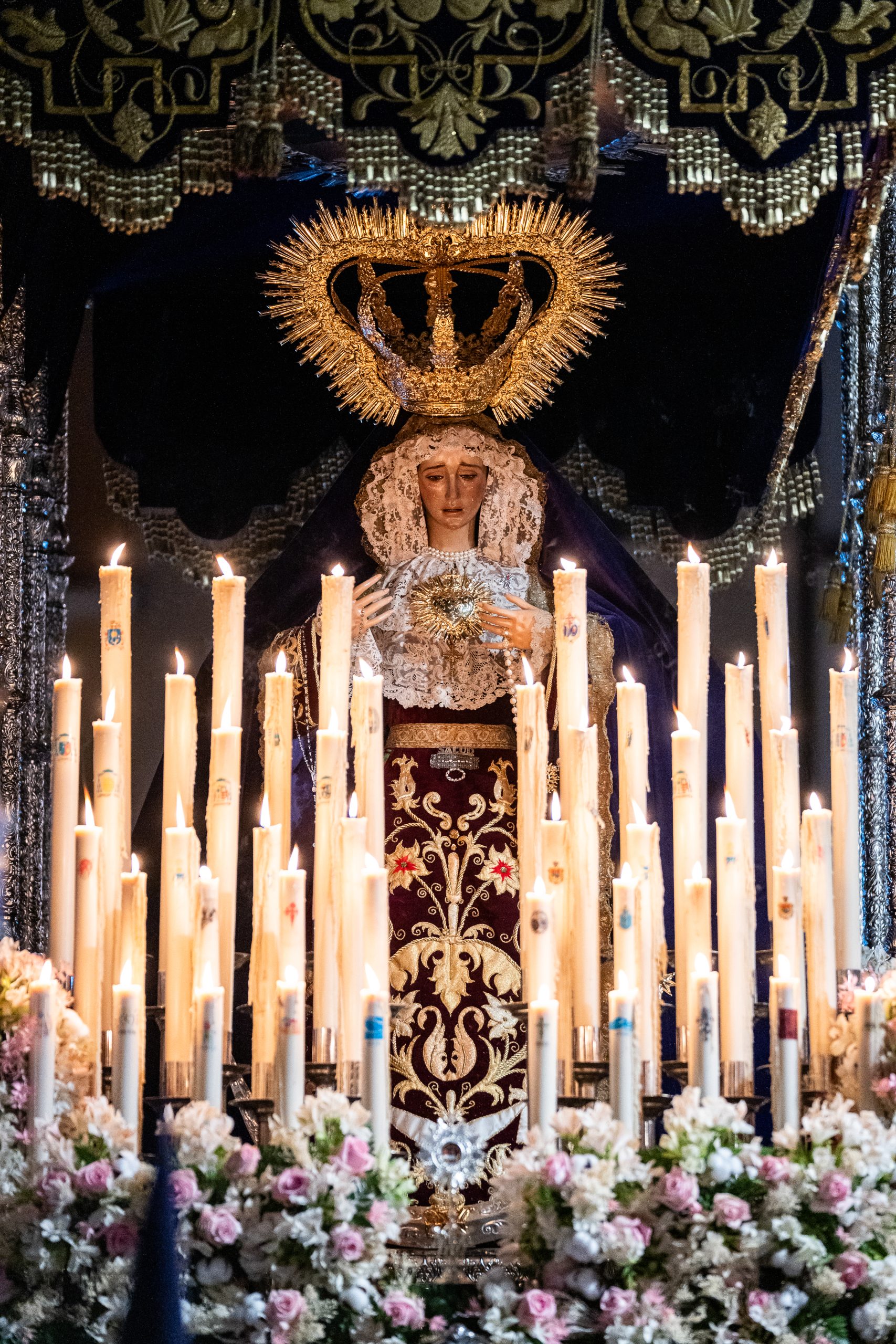
The 21th century has also further enriched Lucena’s sculptural heritage with works such as Our Lady of the Angels (Nuestra Señora de los Ángeles), created by the aforementioned Francisco Romero Zafra in 2001. Among the most recent additions to Lucena’s religious imagery, two Lucena-born religious sculptors stand out: Francisco Javier López del Espino, creator of Our Father Jesus of Charity (Nuestro Padre Jesús de la Caridad, 2015) —later complemented by the figure of Herod, carved by the artist himself in 2019— and of Our Father Jesus Resurrected (Nuestro Padre Jesús Resucitado, 2025), and Daniel Henares Paredes, creator of Mary Most Holy of Health (María Santísima de la Salud, 2010).
Images of Glory
Lucena’s sculptural heritage is further complemented by a number of Glory images, which are the focus of devotional celebrations throughout the year. Among them stands out Our Lady of Araceli (María Santísima de Araceli), patroness of Lucena and the Andalusian countryside, an anonymous carving made around 1562.
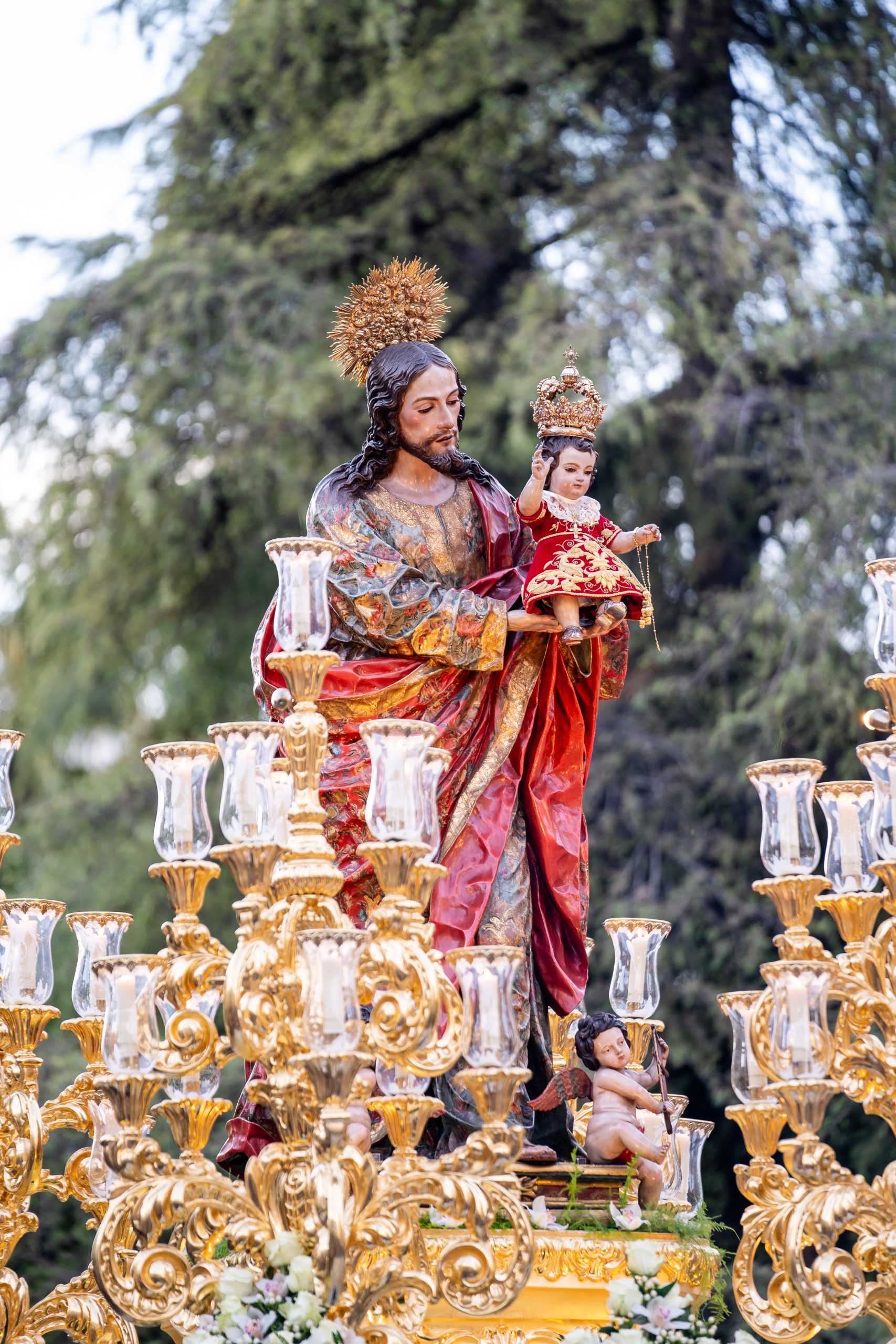
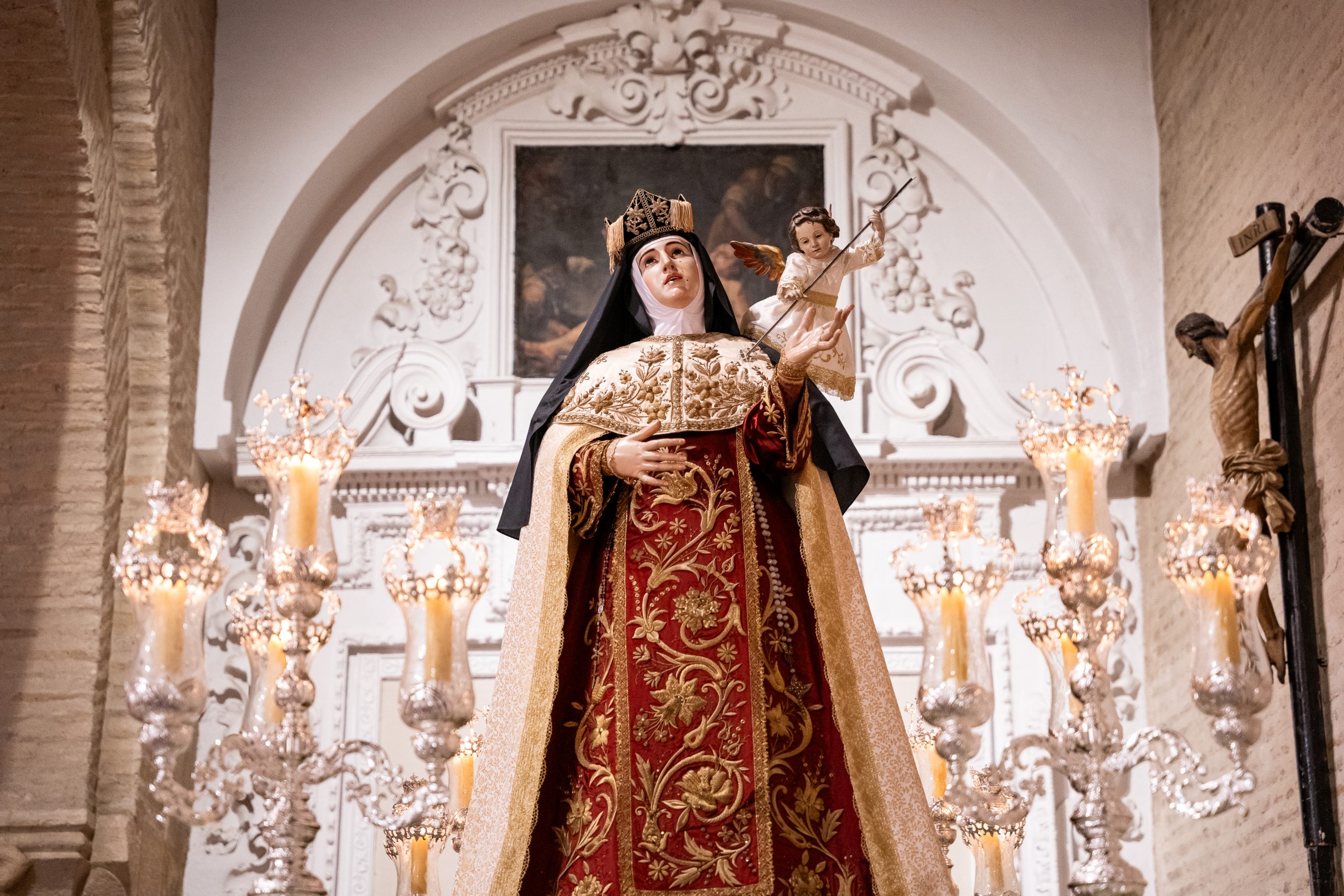
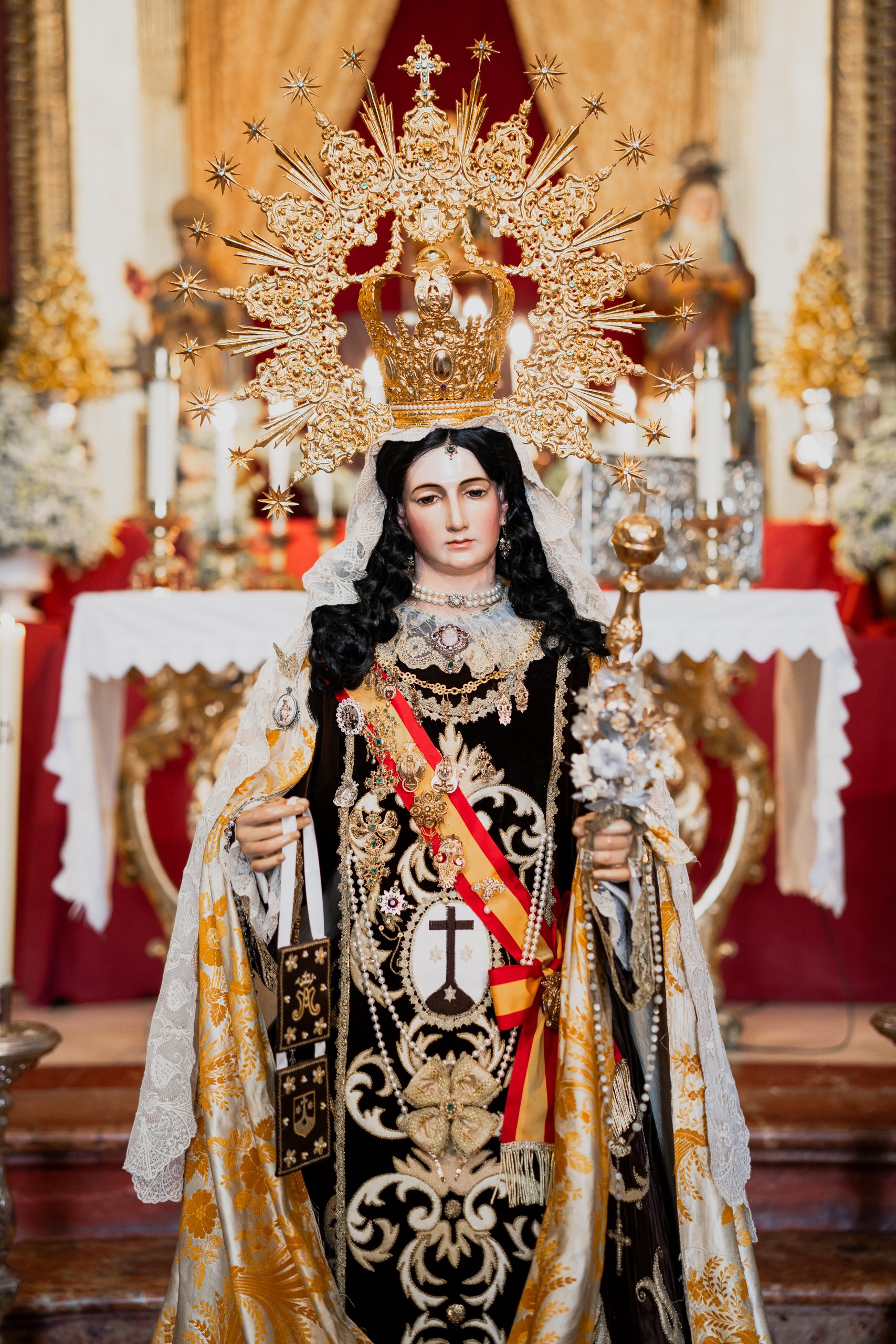
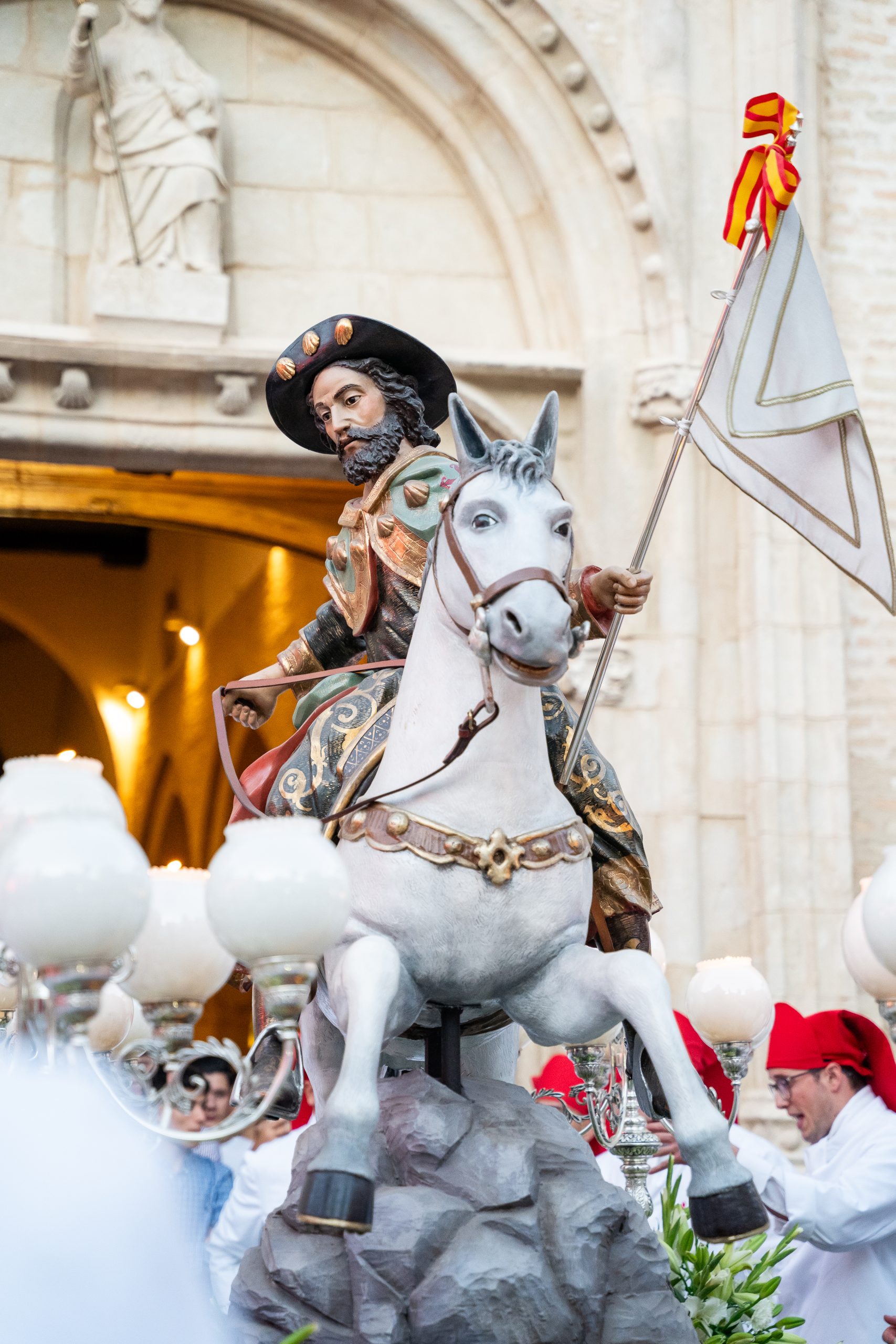
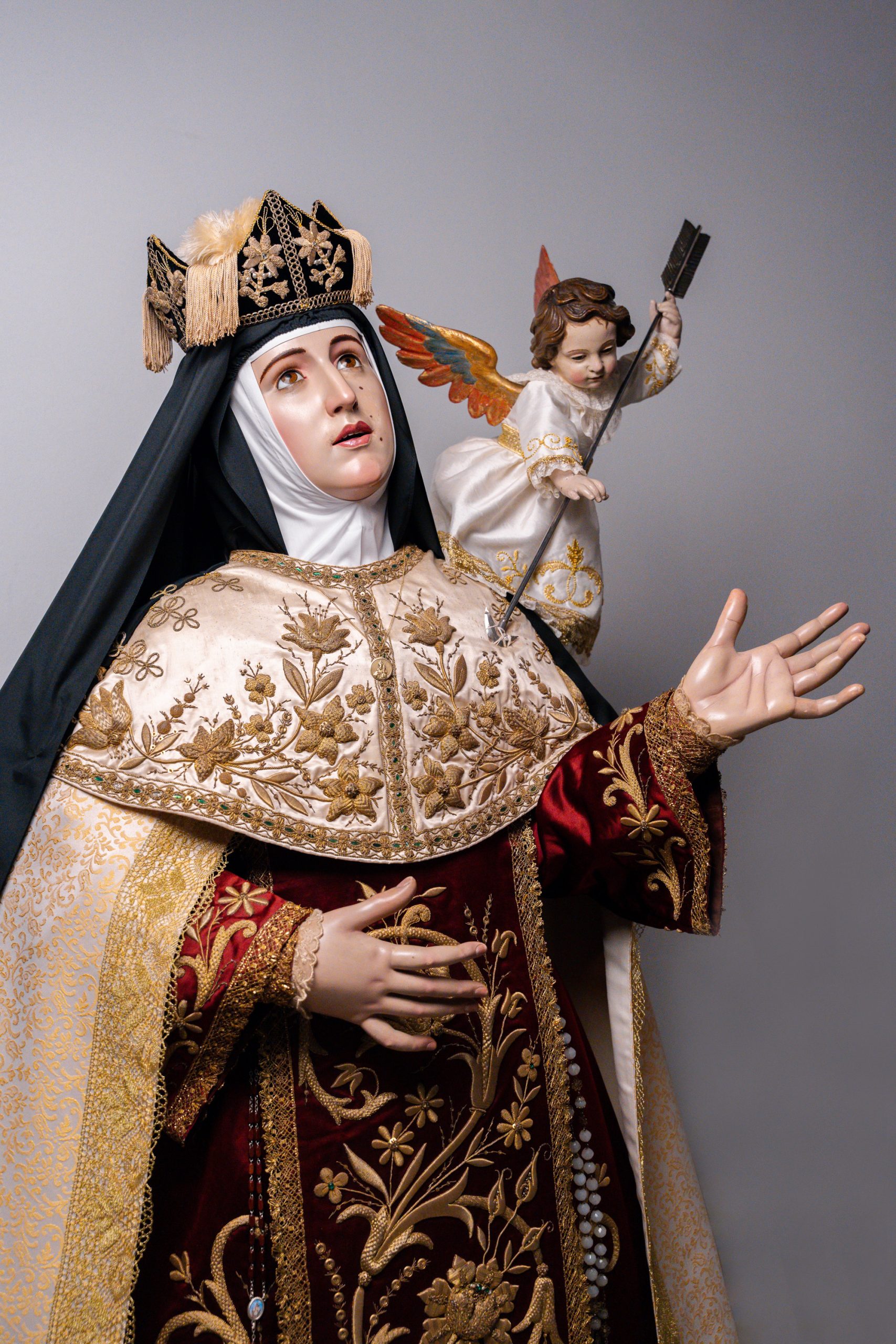
Also included are Mary Most Holy of the Aurora (María Santísima de la Aurora), attributed to José de Medina and dating from the mid-18th century; Saint Joseph the Worker (San José Artesano), attributed to the circle of Diego de Mora and dating from the late 17th century; Our Lady of the Valley and Saint Martha (Nuestra Señora del Valle y Santa Marta), both anonymous carvings of the 17th century; Our Lady of Carmel (Nuestra Señora del Carmen), created Felipe González in 1798; Saint James the Apostle (Santiago Apóstol), carved by Andrés Cordón in the first half of the 19th century; and Saint Teresa of Ávila (Santa Teresa de Jesús), an anonymous 19th-century carving.
Passion Imagery
















Imagery of Glory